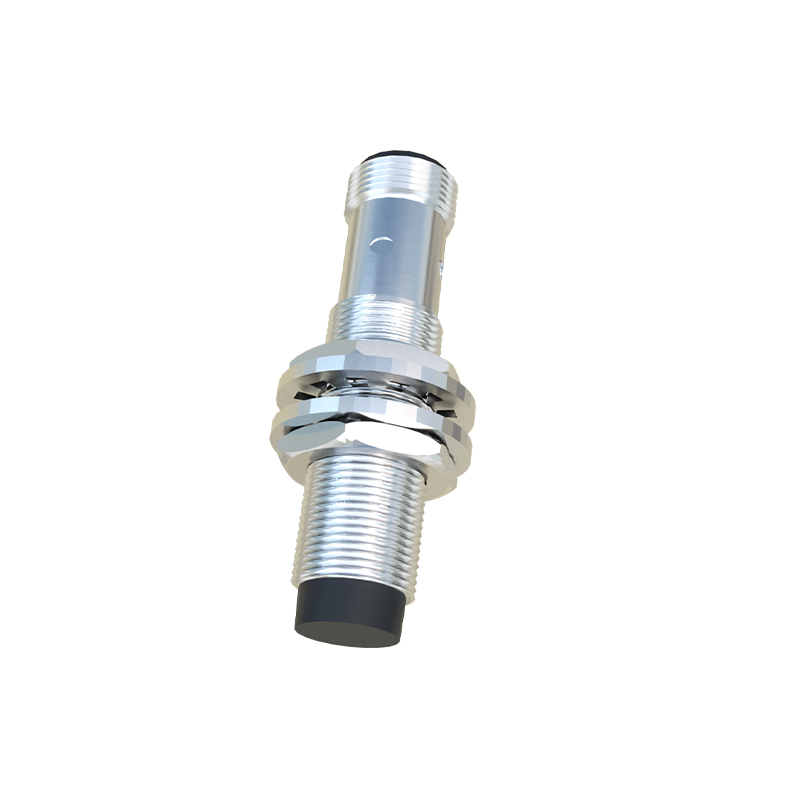
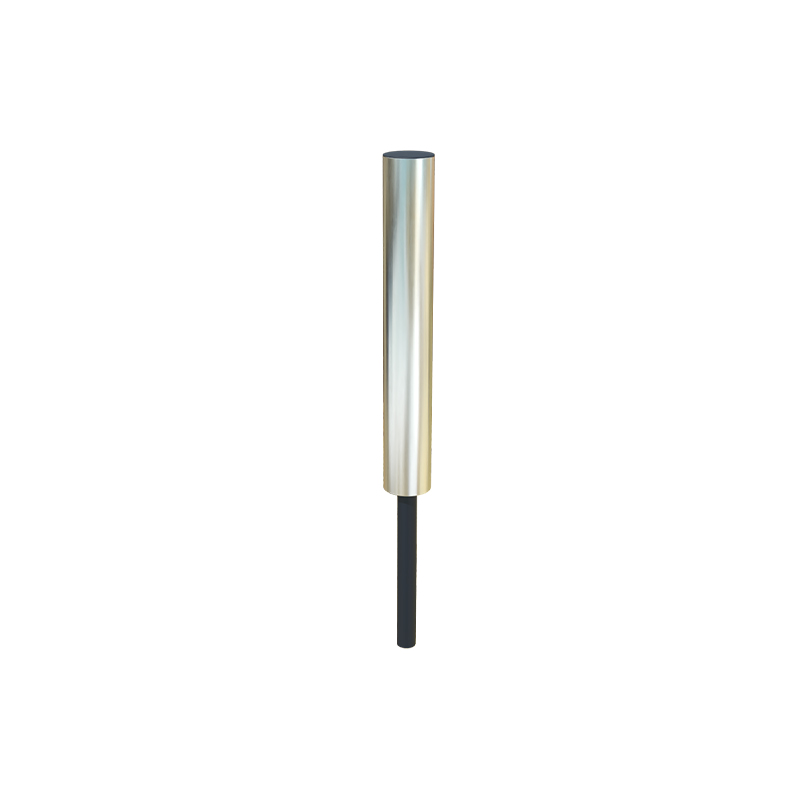
In the realm of industrial automation and control systems, proximity sensors stand as indispensable components, enabling precise, non-contact detection of objects. These devices are engineered to identify the presence, absence, or position of metallic or non-metallic targets without physical contact, thereby minimizing wear and tear, reducing maintenance costs, and enhancing operational efficiency. The fundamental principle behind proximity sensors involves generating an electromagnetic field or beam of radiation and detecting changes caused by a target entering its sensing range. This technology eliminates the need for mechanical actuation, making it ideal for harsh environments where dust, moisture, or extreme temperatures are prevalent.
There are several primary types of proximity sensors, each tailored to specific applications. Inductive proximity sensors are the most common, designed to detect ferrous and non-ferrous metals by utilizing a coil and oscillator to create an electromagnetic field. When a metal object enters this field, it induces eddy currents, causing a change in oscillation amplitude that triggers the sensor's output. These sensors are widely used in manufacturing lines for part counting, positioning, and machine safety. Capacitive proximity sensors, on the other hand, can detect both metallic and non-metallic materials, including liquids, plastics, and wood. They operate by measuring changes in capacitance when a target alters the electrostatic field between the sensor's electrodes. This versatility makes them suitable for level detection in tanks or packaging applications. Ultrasonic proximity sensors employ sound waves beyond human hearing to measure distance or detect objects, functioning effectively in environments with airborne contaminants. Photoelectric sensors use light beams, typically infrared, to sense objects, offering long-range detection capabilities but requiring a clear optical path.
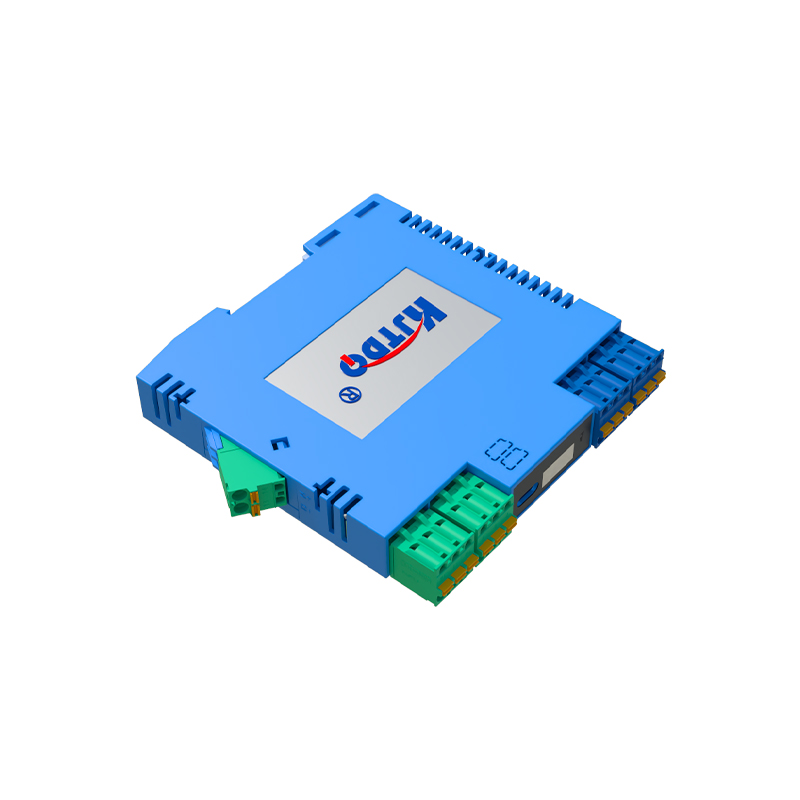
The selection of a proximity sensor depends on various factors, such as the target material, sensing distance, environmental conditions, and required output type. Key specifications include nominal sensing range, which defines the maximum distance for reliable detection, and repeatability, indicating the consistency of measurements. Industrial-grade sensors often feature robust housings made from materials like nickel-plated brass or stainless steel to withstand impacts, vibrations, and corrosive substances. Many models incorporate built-in protection against short-circuits, overloads, and electromagnetic interference, ensuring stable performance in complex electrical systems. Output configurations can be analog (providing continuous signal variation) or digital (switching on/off), with common interfaces including NPN, PNP, and relay contacts.
In practical applications, proximity sensors are integral to modern automation. For instance, in automotive assembly, inductive sensors monitor robotic arm movements and verify component placement, while capacitive sensors check fluid levels in reservoirs. In food processing, hygienic designs with smooth surfaces prevent bacterial growth, enabling detection of packaging materials without contamination. The advent of Industry 4.0 has further propelled sensor innovation, with smart proximity sensors now offering IO-Link communication for real-time data exchange, predictive maintenance alerts, and integration into IoT networks. This connectivity allows engineers to remotely monitor sensor health, adjust parameters, and optimize production processes, reducing downtime and boosting productivity.
Installation and calibration are critical for optimal performance. Sensors should be mounted securely to avoid misalignment, with adequate clearance from metal surfaces to prevent false triggers. Environmental factors like temperature fluctuations or nearby electrical noise can affect sensitivity, necessitating periodic checks. Regular maintenance involves cleaning sensing faces to remove debris and verifying output signals with diagnostic tools. As technology evolves, advancements in miniaturization, energy efficiency, and sensing accuracy continue to expand the capabilities of proximity sensors, solidifying their role as foundational elements in industrial automation. By understanding their principles and applications, engineers can leverage these devices to create safer, more efficient, and intelligent systems.