Proximity sensors are critical components in modern metro systems, ensuring safe and efficient operations by detecting the presence or absence of objects without physical contact. These sensors rely on electromagnetic fields, infrared radiation, or ultrasonic waves to monitor the environment around trains, platforms, and tracks. In metro applications, inductive proximity sensors are commonly used due to their robustness in harsh environments, such as tunnels and underground stations. They generate an oscillating electromagnetic field, and when a metallic object—like a train wheel or door—enters this field, it induces eddy currents that alter the sensor's oscillation. This change triggers a signal to the control system, enabling real-time monitoring of train positions, door operations, and obstacle detection.
Another key type is capacitive proximity sensors, which detect both metallic and non-metallic objects by measuring changes in capacitance. These are often employed in platform edge doors or fare gates to sense passengers or luggage. Infrared sensors, on the other hand, use light beams to identify objects and are integral to automated train control systems, helping maintain safe distances between moving trains. Ultrasonic sensors emit high-frequency sound waves and analyze echoes to gauge distances, useful in depot areas for parking alignment or collision avoidance.
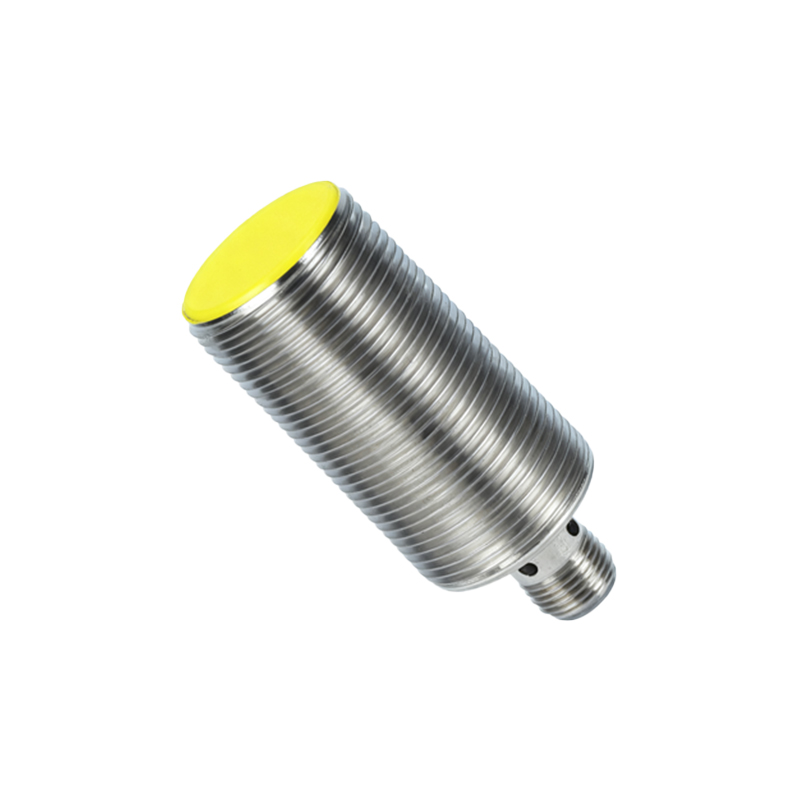
The working principle revolves around converting physical proximity into electrical signals. For instance, in train detection, sensors installed along tracks send data to central control units, which process information to regulate speed, signaling, and braking. This prevents collisions and optimizes scheduling. In door systems, sensors ensure doors close only when no obstructions are present, enhancing passenger safety. Advanced metro networks integrate these sensors with IoT and AI for predictive maintenance, reducing downtime and improving reliability.
Environmental factors like dust, moisture, and electromagnetic interference can affect sensor accuracy, so designs often include shielding and calibration features. Regular testing and compliance with standards like IEC 60947-5-2 ensure performance. As metro systems evolve toward automation, proximity sensors will play an even greater role in enabling driverless trains and smart infrastructure, contributing to urban mobility's future.