Reed proximity sensors, utilizing the reliable reed switch mechanism, have maintained their relevance in industrial automation despite the emergence of newer technologies. Their pricing structure reflects a unique position in the sensor market, balancing simplicity, durability, and cost-effectiveness. Understanding the factors influencing reed proximity sensor quotes is essential for procurement specialists, engineers, and project managers.
The core component, the reed switch, consists of two ferromagnetic blades hermetically sealed in a glass tube. When a magnetic field from a permanent magnet or an electromagnet approaches, the blades attract and make contact, completing a circuit. This fundamental principle translates into a sensor known for its low power consumption, high switching speed, and excellent isolation between the sensing element and the switching contacts. Consequently, pricing is heavily influenced by the quality and specifications of this reed switch.
Several key determinants directly impact the final quotation from suppliers. First, the sensor type defines the baseline cost. Unshielded (non-flush mountable) models are generally the most economical, suitable for applications where lateral sensing is acceptable. Shielded (flush mountable) sensors, which can be embedded in metal without affecting performance, command a higher price due to their more complex construction and material use. Second, the sensing distance, typically ranging from a few millimeters up to about 25mm for standard models, influences cost. A longer nominal sensing distance often requires a more sensitive or larger reed switch, increasing the price. Third, the electrical specifications are critical. The voltage rating (e.g., 12-24V DC, 110-240V AC), current carrying capacity, and contact configuration (Normally Open, Normally Closed, or Changeover) all factor into the cost. Higher ratings and Changeover configurations add to the manufacturing complexity.
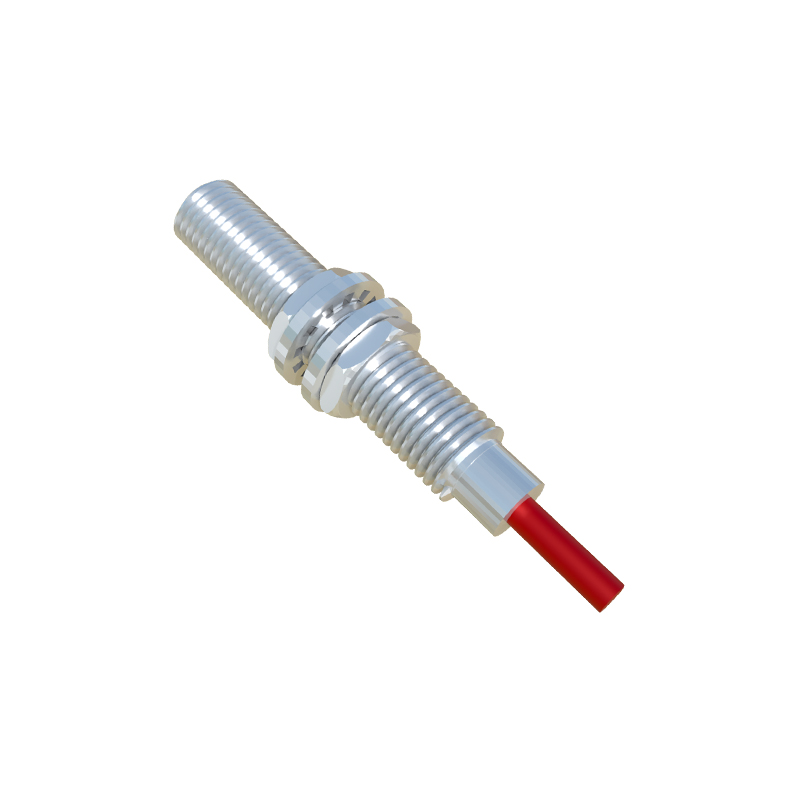
The housing material and protection class (IP rating) form another major cost component. Standard plastic housings (e.g., PBT) with an IP67 rating are common for general industrial use. However, sensors designed for harsh environments—featuring stainless steel housings, higher IP ratings (IP68, IP69K), or special certifications for explosive atmospheres (ATEX, IECEx)—see a significant price increase. The form factor, such as cylindrical (M5, M8, M12, M18, M30 threaded barrels) or rectangular blocks, also affects pricing due to machining and tooling costs.
Brand reputation and supply chain origin create substantial price tiers. Established global brands (e.g., Siemens, Pepperl+Fuchs, Omron, ifm) typically quote 20-50% higher than mid-tier or specialized manufacturers. Their premium covers extensive R&D, global certification, robust warranty, and reliable distribution networks. Asian-manufactured sensors, including reputable brands from Taiwan, South Korea, and China, often provide highly competitive quotes while maintaining good quality for standard applications. The choice here balances budget constraints against perceived risk and long-term support requirements.
Order volume remains the most powerful lever for negotiation. Unit prices for a single sensor can be 3 to 5 times higher than the price per unit for a batch of 500 or 1000 pieces. Suppliers offer tiered pricing, and committing to annual volume agreements can secure the most favorable rates. Furthermore, customization requests—such as special cable lengths, connectors, or labeling—will move the quote away from standard catalog pricing.
As of the current market analysis, list prices for standard, unshielded, cylindrical reed proximity sensors (e.g., M18, 10mm sensing distance) from international brands typically range from $25 to $60 per unit. Shielded versions of the same size may range from $35 to $80. Equivalent sensors from competitive Asian manufacturers can be sourced for $15 to $40, highlighting the cost-saving potential. For high-specification models with stainless steel housing and extended range, prices from premium brands can exceed $120 per unit.
When requesting a quote, provide clear specifications: required type (shielded/unshielded), exact sensing distance, operating voltage, output configuration, housing material and size, connection method (cable or connector), IP rating, and required quantity. This clarity minimizes back-and-forth communication and ensures comparable quotes from different vendors.
In conclusion, the quotation for a reed proximity sensor is not a single figure but a reflection of application-specific engineering choices, quality tiers, and procurement strategy. While initial unit cost is important, total cost of ownership—considering durability, failure rates, and maintenance in the intended operating environment—should be the ultimate guide in evaluating a sensor's price and value proposition.