In the world of industrial automation and machinery monitoring, precise and reliable detection of rotational speed and position is paramount. Among the various technologies employed for this critical task, turbine proximity sensors stand out for their unique operating principle and robust performance in challenging environments. Unlike optical or capacitive sensors, these devices excel where factors like oil, dust, or vibration are present, offering a non-contact solution for monitoring rotating equipment.
The core principle behind a turbine proximity sensor is electromagnetic induction. The sensor itself is typically a passive device containing a coil of wire wound around a permanent magnet. When a ferromagnetic target, such as a gear tooth or a specially designed turbine blade on a rotating shaft, passes close to the active face of the sensor, it disturbs the magnetic field. This disturbance induces a small alternating current (AC) voltage in the coil. The frequency of this AC signal is directly proportional to the rotational speed of the target—each passing tooth or blade generates one pulse. This simple yet effective mechanism requires no physical contact, eliminating wear and tear and allowing for high-speed measurement capabilities.
A key component often associated with these sensors is the phonic wheel or tone wheel. This is a metallic disk with precisely machined teeth or notches around its circumference. It is mounted on the rotating shaft to be monitored. As the wheel spins, the teeth pass by the sensor tip, generating a clear and consistent pulse train. The number of pulses per revolution is determined by the number of teeth on the wheel, enabling not just speed measurement but also precise position and direction detection when multiple sensors are used in quadrature.
The applications for turbine proximity sensors are vast and critical across multiple industries. In the automotive sector, they are indispensable for crankshaft and camshaft position sensing in engine management systems, providing the vital timing data needed for fuel injection and ignition. In aerospace, they monitor turbine and compressor speeds in jet engines. Heavy industries rely on them for monitoring gearboxes, turbines, and large motors in power generation, mining, and manufacturing plants. They are also fundamental in anti-lock braking systems (ABS), where they monitor wheel speed to prevent skidding.
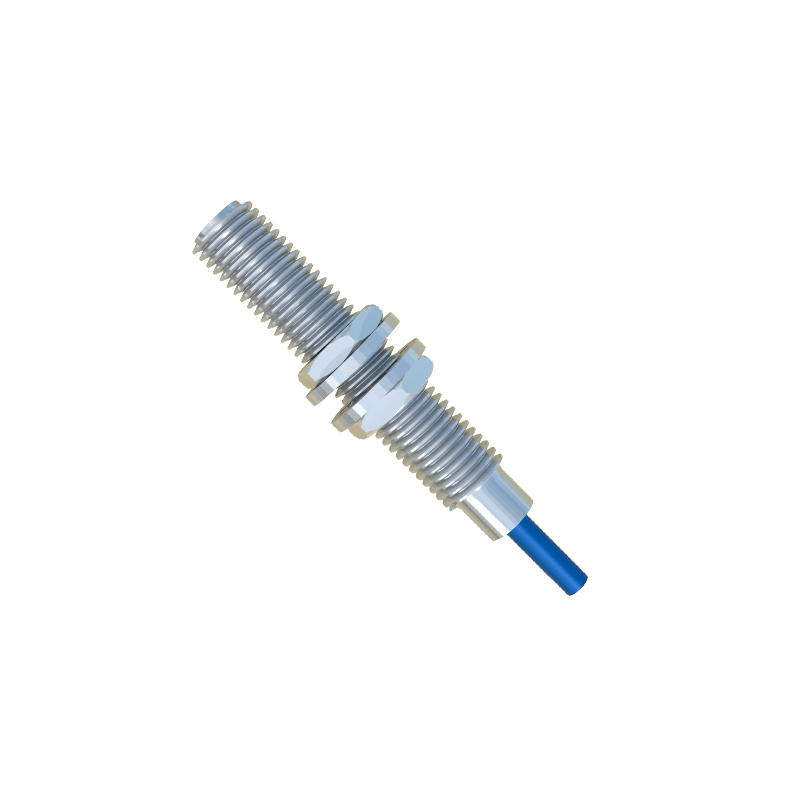
Selecting the right turbine proximity sensor involves several crucial considerations. First is the operating frequency or switching frequency, which must be high enough to handle the maximum speed (in revolutions per minute or RPM) and the number of teeth on the target wheel. The sensor's mounting and housing are also vital; they must be rugged enough to withstand temperature extremes, shock, vibration, and exposure to fluids. Common housing materials include stainless steel with various ingress protection (IP) ratings. Output signal type is another decision point. While the raw sensor generates a simple AC voltage, many modern versions incorporate integrated electronics to provide amplified, square-wave digital signals (PNP/NPN) or even analog voltage outputs proportional to speed, simplifying interface with programmable logic controllers (PLCs) and other control systems.
Installation and air gap—the distance between the sensor tip and the target—are critical for reliable operation. Manufacturers specify a nominal air gap, and maintaining this gap within tolerance ensures a strong, consistent signal. Proper alignment is equally important to avoid signal dropout. For demanding high-temperature applications, such as inside an engine compartment, special high-temperature variants with appropriate cabling are available.
When compared to other speed sensing technologies like Hall effect sensors or optical encoders, turbine proximity sensors offer distinct advantages. Their purely passive, magnet-based design makes them extremely robust and resistant to contamination. They do not require an external power supply to generate a basic signal, though powered versions with built-in signal conditioning are common. They are generally less expensive than optical encoders and can operate in dirtier environments than optical types. However, they do have limitations; they only detect ferromagnetic materials, and the signal amplitude varies with speed, being very small at low rotational rates, which can require additional signal conditioning.
In conclusion, turbine proximity sensors remain a cornerstone technology for rotational speed and position sensing. Their durability, simplicity, and effectiveness in harsh conditions ensure their continued relevance in modern industrial and vehicular systems. Understanding their operating principle, key specifications, and application requirements is essential for engineers and technicians to implement reliable monitoring and control solutions, ensuring machinery operates efficiently, safely, and within its designed parameters.