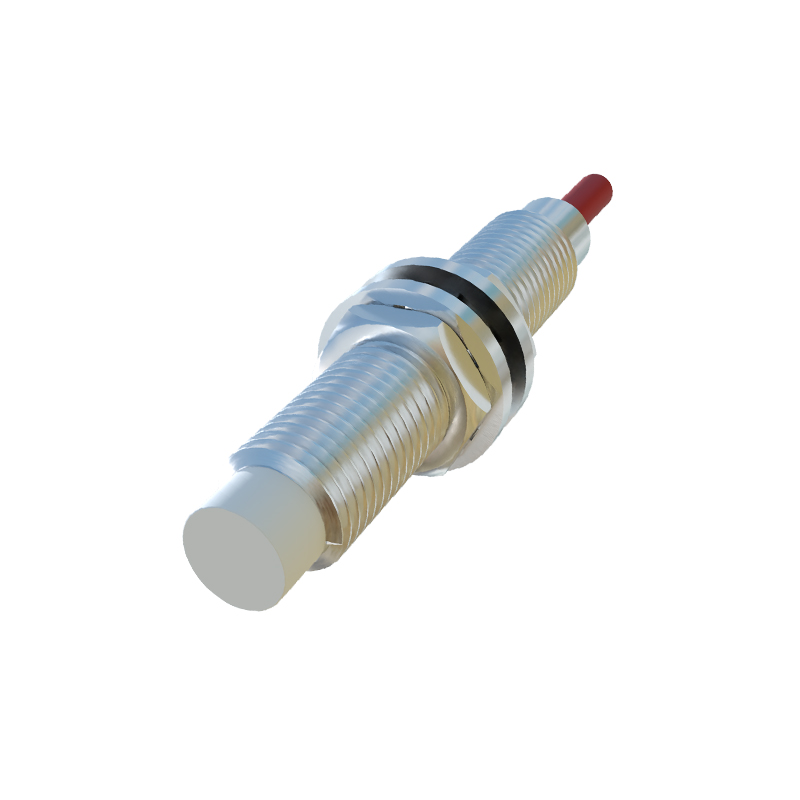
Proximity sensors are fundamental components in modern automation and electronics, known by several names across different industries and technical contexts. These devices detect the presence or absence of an object within a specific range without physical contact. While "proximity sensor" is the most widely recognized term, professionals often refer to them using alternative names based on their operating principles or applications.
One common alternative name is "non-contact sensor." This term emphasizes the core functionality of detecting objects without requiring tactile interaction. It is frequently used in manufacturing and quality control environments where avoiding physical wear or contamination is critical. Another prevalent term is "presence sensor," particularly in industrial automation and safety systems. This name highlights the sensor's role in confirming whether an object or person is present in a designated area, often triggering subsequent actions like machine activation or emergency stops.
In the realm of automotive and consumer electronics, these devices are often called "proximity switches" or simply "prox switches." This terminology is rooted in their function as a switching mechanism—they open or close an electrical circuit based on the detected proximity of an object. In sophisticated applications like smartphones and tablets, they are specifically referred to as "proximity detectors," focusing on their role in sensing when a user's face is near the screen to disable touch input during calls.
The technical naming often derives from the underlying sensing technology. For instance, inductive proximity sensors are sometimes termed "eddy-current sensors" because they generate eddy currents in metallic targets. Capacitive versions might be called "capacitance sensors," especially in liquid level detection or material composition analysis. Ultrasonic proximity sensors are alternatively known as "sonic sensors" or "acoustic sensors," while photoelectric types are often labeled as "optical sensors" or "beam sensors" in packaging and material handling industries.
In specialized fields, unique nomenclature emerges. In robotics and aerospace, they may be called "rangefinders" or "distance sensors" when precise measurement of gap is involved. In security systems, the term "motion sensor" is sometimes used interchangeably, though true motion sensors typically detect movement within a field rather than static presence. The phrase "object detection sensor" is another broad synonym found in technical documentation and academic literature, encompassing both proximity and more complex identification functions.
The evolution of the Internet of Things (IoT) has introduced terms like "presence-sensing nodes" or "ambient detection units," reflecting their integration into smart networks. Regardless of the name, the fundamental purpose remains consistent: to provide reliable, non-contact detection to enhance efficiency, safety, and functionality across countless applications. Understanding these various terms is crucial for engineers, procurement specialists, and technicians to ensure clear communication and correct component selection in global supply chains and multidisciplinary projects.
The diversity in naming underscores the sensor's versatility. From simple mechanical replacement switches to complex intelligent sensing systems, the technology adapts to myriad needs. This lexical variety also mirrors regional preferences; for example, European technical documents may favor "approximity sensor," while North American texts stick to "proximity sensor." In Asian markets, direct translations or acronyms like "P-sensor" are common in schematics and part lists.
Ultimately, whether called a proximity sensor, non-contact switch, presence detector, or any other alias, these devices are indispensable in today's automated world. Their ability to operate reliably in harsh conditions—through dirt, moisture, and temperature extremes—while providing precise, instantaneous feedback makes them the silent workhorses of industries ranging from automotive assembly to food processing, and from consumer gadgets to advanced robotics. The next time you encounter one, remember that its name might change, but its critical role in enabling seamless, efficient, and safe operations remains constant.