In the world of industrial automation and electronic control, two terms are frequently encountered: proximity switches and proximity sensors. While often used interchangeably in casual conversation, they represent distinct components with specific functions and applications. Understanding their differences, operating principles, and uses is crucial for engineers, technicians, and anyone involved in system design and maintenance.
At its core, a proximity sensor is a broad category of devices that detect the presence or absence of an object within a specified range without any physical contact. It acts as the "sensing" element. The sensor generates an electrical signal based on the detected target. This signal is typically analog or digital and contains information about the object's presence, distance, or other properties. Proximity sensors are the fundamental technology that gathers data from the physical environment.
A proximity switch, on the other hand, is a specific application of a proximity sensor. It incorporates a proximity sensing element but is designed with a primary purpose: to function as a switch. Its output is a clean, discrete on/off signal. When a target object enters its sensing range, the switch changes state—from open to closed (or vice versa)—thereby controlling a circuit. Think of a proximity switch as a sensor with a built-in, hardened switching mechanism optimized for direct control tasks.
The technology behind these devices varies, defining their capabilities and ideal use cases. The most common types include:
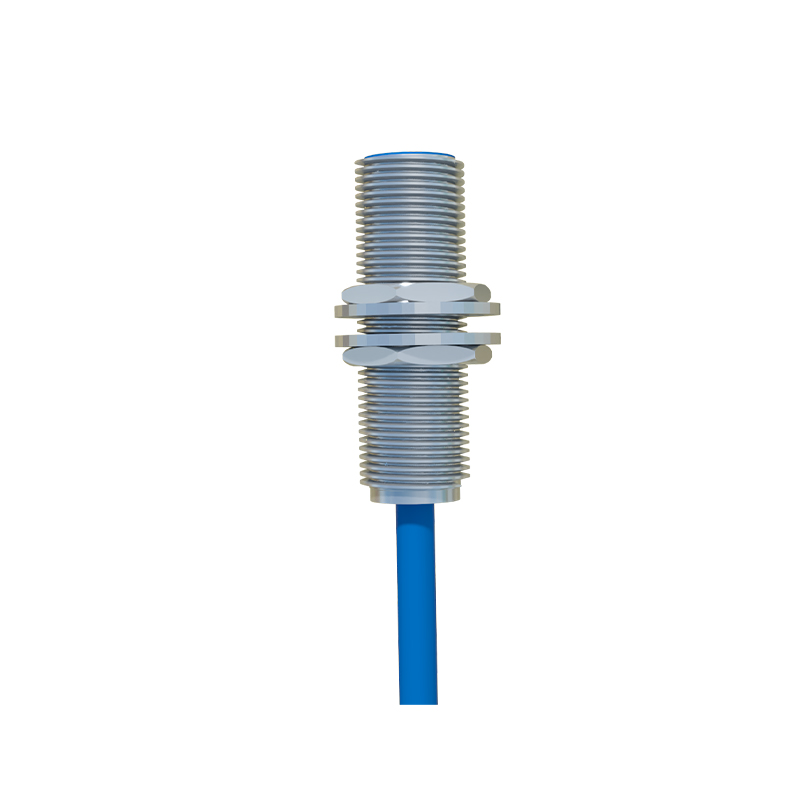
Inductive Proximity Sensors/Switches: These detect metallic objects, primarily ferrous metals like iron and steel. They work by generating an electromagnetic field. When a metal object enters this field, it induces eddy currents, which alter the oscillation of the sensor's internal circuit. This change is detected and converted into an output signal. Inductive devices are extremely robust, resistant to dirt, oil, and moisture, making them perfect for harsh industrial environments like machine tools, conveyor systems, and automotive manufacturing for tasks such as counting metal parts or determining piston position.
Capacitive Proximity Sensors/Switches: These can detect both metallic and non-metallic objects—liquids, plastics, wood, glass, and granular materials. They work by sensing changes in capacitance. The sensor forms one plate of a capacitor, with the target object acting as the other plate. As the object approaches, the capacitance increases, triggering the output. This makes them versatile for applications like liquid level detection in tanks, material handling for non-metallic products, and touch-sensitive controls.
Photoelectric Sensors/Switches: These use light beams (visible, infrared, or laser) to detect objects. They operate on the principle of light transmission, reflection, or interruption. A common type is the through-beam, where an object breaks a beam between a separate transmitter and receiver. Another is the retro-reflective type, which bounces light off a reflector, with the object breaking the beam. Diffuse sensors detect light reflected directly from the target itself. Photoelectric sensors offer long sensing ranges and are excellent for detecting small, fragile, or transparent objects on packaging lines.
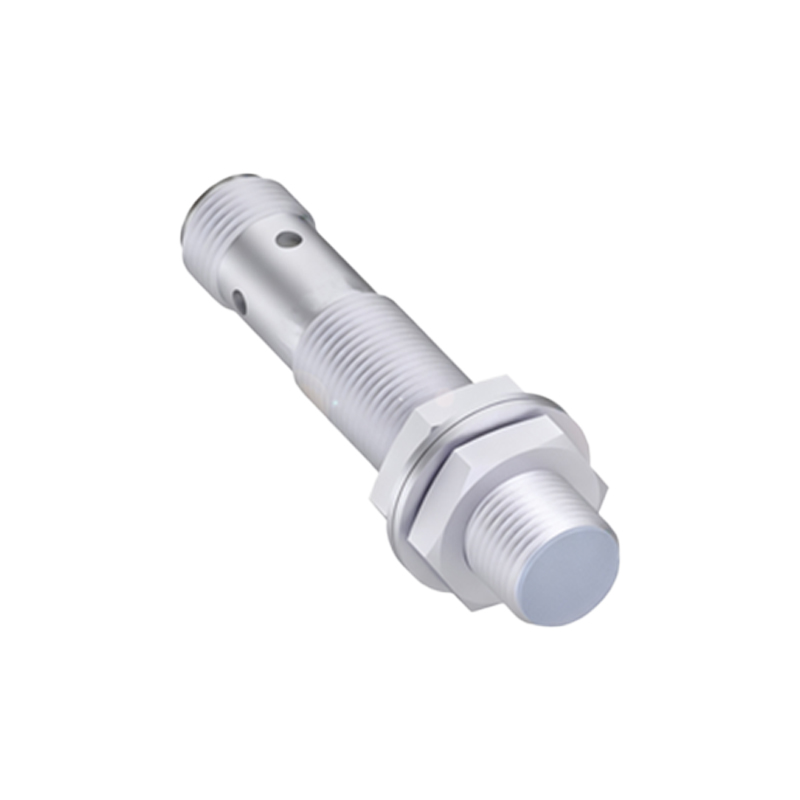
Ultrasonic Proximity Sensors/Switches: These emit high-frequency sound waves and measure the time it takes for the echo to return. They can detect almost any material, regardless of color or transparency, and are effective for distance measurement and level sensing of liquids or bulk solids in challenging conditions with dust or vapor.
When selecting between a sensor and a switch, the key consideration is the required output. If the application needs a simple, reliable signal to start or stop a process—like halting a conveyor when a box is present, or confirming a door is closed—a proximity switch is the straightforward choice. Its output can directly interface with a PLC input, relay, or motor starter.
If the application requires more nuanced data—such as precise distance measurement, analog feedback on position, or discrimination between different materials—then a standard proximity sensor with an analog (0-10V, 4-20mA) or serial output is necessary. The sensor provides the data, and a separate controller (like a PLC) interprets it to make complex decisions.
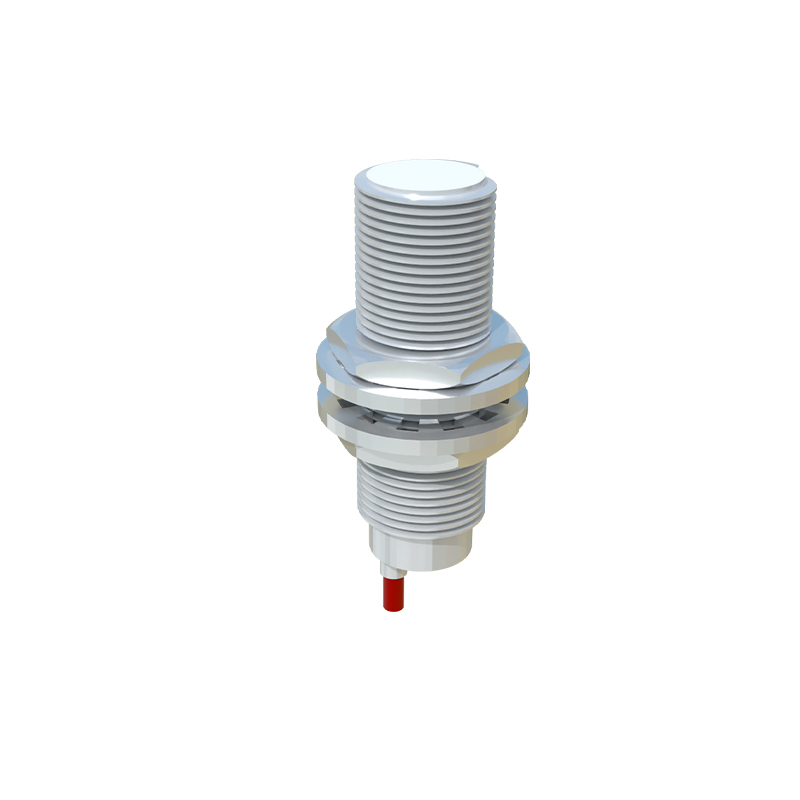
For optimal performance and Google-friendliness in technical documentation, precise terminology matters. Specify "inductive proximity switch for metal detection" or "capacitive proximity sensor for liquid level control." Highlight key operational parameters: sensing range, output type (NPN/PNP, NO/NC), supply voltage, housing material (e.g., stainless steel), and environmental ratings (IP67, IP69K).
In summary, all proximity switches contain a proximity sensor, but not all proximity sensors are configured as simple switches. The sensor is the data-gathering technology; the switch is a specific, action-oriented implementation of that technology. By carefully matching the device type—inductive, capacitive, photoelectric, or ultrasonic—and its output configuration to the application's demands, one