In the intricate dance of modern machinery and smart devices, a silent sentinel often goes unnoticed: the ultra-compact proximity sensor. These minuscule components, some no larger than a grain of rice, have become fundamental to the functionality, safety, and user experience of countless products we interact with daily. Their evolution from bulky, limited-range devices to today's sophisticated, microscopic marvels represents a significant leap in sensing technology, driven by relentless miniaturization and enhanced intelligence.
At its core, a proximity sensor detects the presence or absence of an object within a specified range without any physical contact. Ultra-compact variants achieve this using various principles, with inductive, capacitive, and optical being the most prevalent. Inductive sensors excel in detecting metallic objects, making them indispensable in industrial automation for precise position control on assembly lines. Capacitive sensors, on the other hand, can detect a wider range of materials, including liquids and human skin, which is why they seamlessly enable features like touchless faucet activation or the screen turning off when a phone is held to the ear. Optical sensors, using infrared light, offer precise detection and are key in applications like paper detection in printers or gesture recognition.
The push for miniaturization is not merely an engineering vanity. It unlocks revolutionary applications. In consumer electronics, these tiny sensors are embedded within the slim bezels of smartphones and tablets, enabling advanced features like automatic screen on/off, preventing accidental touches during calls, and facilitating smarter power management. In the automotive sector, they are woven into vehicle design, contributing to parking assistance systems, blind-spot monitoring, and touch-sensitive interior controls, all while occupying negligible space. The medical device industry relies on their precision and small form factor for equipment like infusion pumps and diagnostic tools, where reliability and size are critical.
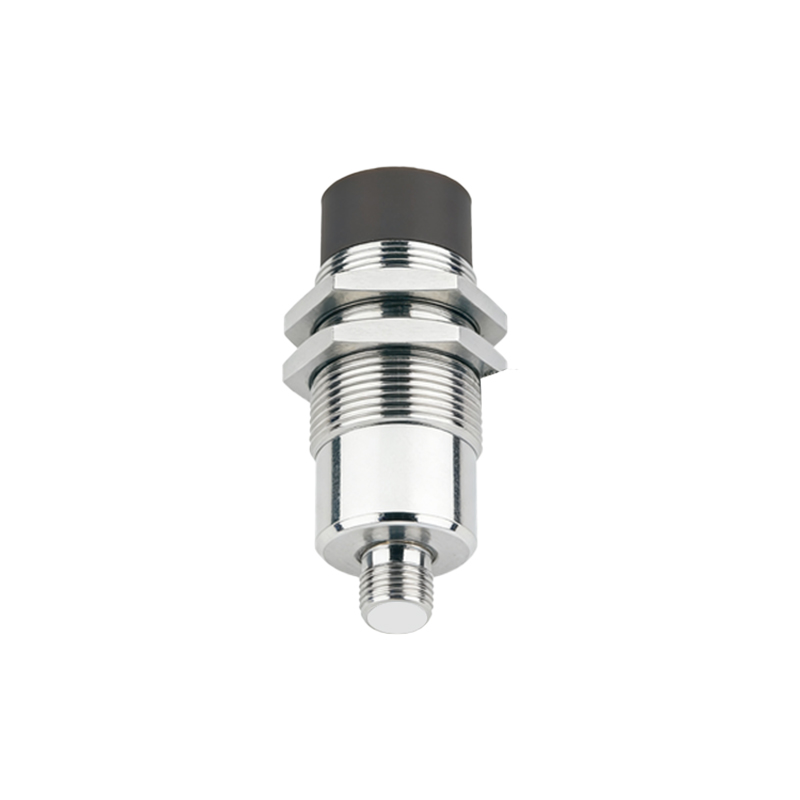
The design and manufacturing of ultra-compact proximity sensors present unique challenges. Engineers must balance detection range, response speed, power consumption, and immunity to environmental interference—all within a drastically reduced footprint. Advanced materials and innovative packaging techniques, such as chip-scale packaging, are employed to protect the sensitive semiconductor core while maintaining its tiny dimensions. Furthermore, modern sensors often integrate digital interfaces and programmable logic, allowing for easy calibration and adaptation to specific application needs, making them smarter and more versatile than ever before.
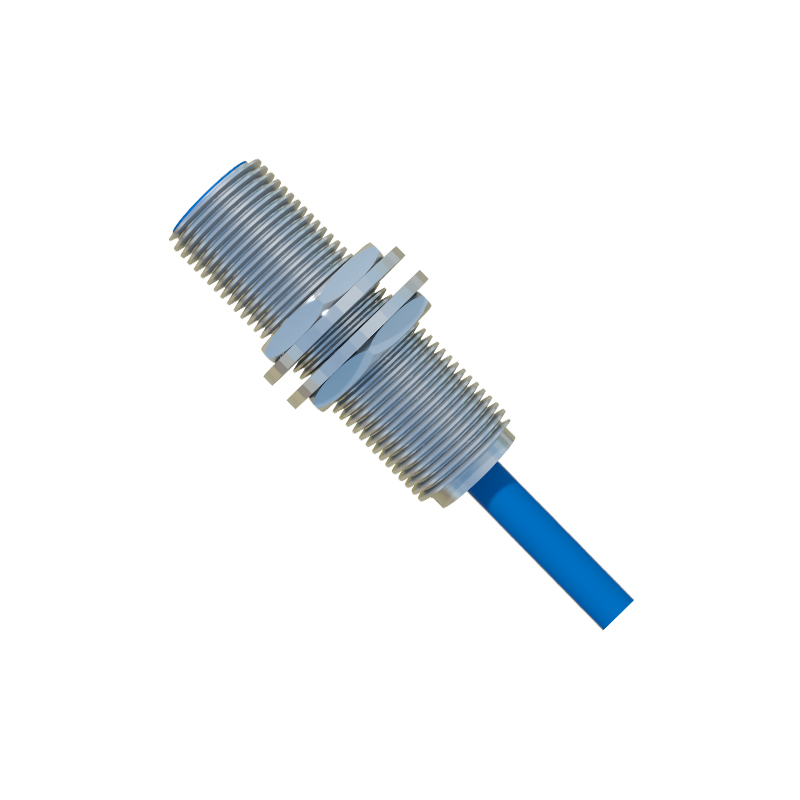
Looking ahead, the trajectory points toward even greater integration and intelligence. The convergence of ultra-compact proximity sensing with the Internet of Things (IoT) is creating a world where objects can sense their environment and communicate contextually. Future sensors will likely boast lower power consumption for battery-operated devices that last years, enhanced multi-object discrimination, and the ability to operate reliably in more extreme conditions. As robotics, wearable technology, and smart home ecosystems continue to advance, the demand for these invisible, reliable guardians will only intensify.
In conclusion, ultra-compact proximity sensors are a testament to the power of miniaturized engineering. They operate unseen, yet their impact is profoundly visible in the enhanced safety, efficiency, and intuitive interaction of modern technological systems. From the factory floor to the palm of your hand, these tiny components continue to push the boundaries of what is possible, silently enabling the next generation of innovation.