In the realm of industrial automation, robotics, and consumer electronics, the ability to detect the presence or absence of an object without physical contact is fundamental. Among the diverse technologies enabling this capability, proximity membrane sensors represent a specialized and increasingly vital category. Unlike traditional mechanical switches or bulky sensor housings, these sensors integrate the sensing element into a thin, flexible, and often robust membrane. This unique design philosophy unlocks a suite of advantages for applications where space, durability, and seamless integration are paramount.
At its core, a proximity membrane sensor operates on the same basic principles as standard proximity sensors, primarily through capacitive or inductive sensing. The key differentiator lies in its construction. The sensor's active components are printed or embedded onto a flexible substrate, such as polyimide or polyester. This substrate is then laminated with protective layers, creating a thin, sheet-like sensor that can be mounted on flat or gently curved surfaces. For capacitive types, the membrane contains conductive electrodes. When an object enters the sensor's electric field, it alters the capacitance, triggering a switch signal. Inductive membrane sensors, designed for detecting metals, use printed coil patterns that generate an electromagnetic field; the presence of a metallic target disrupts this field, causing a change in oscillation amplitude or frequency that is detected by the embedded circuitry.
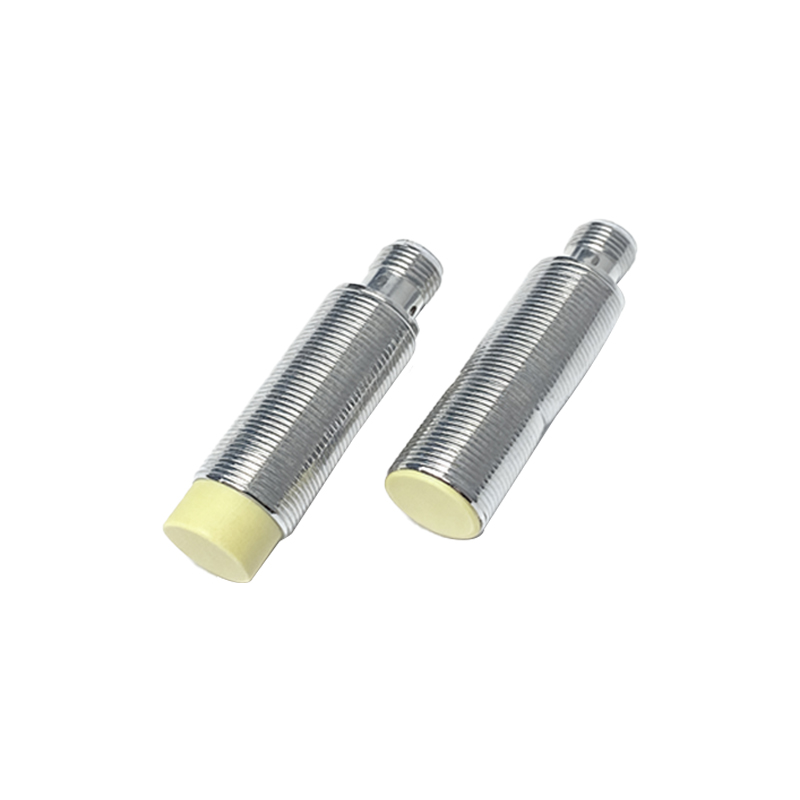
The applications for proximity membrane sensors are vast and cross multiple industries. In automotive manufacturing, they are integrated into robotic work cells and assembly lines to detect the precise positioning of components like door panels or glass without the need for obtrusive sensor brackets. The packaging industry utilizes them extensively on conveyor systems to count, sort, or verify the presence of products—their slim profile prevents snagging and allows for installation in tight spaces. Within consumer devices, they enable innovative human-machine interfaces, acting as touchless control panels behind decorative surfaces or as presence detectors in smart appliances. A particularly critical application is in safety systems; these sensors can be applied as large-area detection mats or strips around hazardous machinery, creating an invisible protective zone that halts operation when breached.
Selecting the right proximity membrane sensor requires careful consideration of several parameters beyond just sensing range. First, the sensing technology must match the target material: capacitive for non-metals (plastics, wood, liquids, human body) and inductive for ferrous or non-ferrous metals. Environmental resilience is another crucial factor. High-quality sensors are rated with an Ingress Protection (IP) code, often reaching IP67 or higher, making them resistant to dust, water jets, and common industrial cleaning agents like oils and coolants. The operating temperature range must suit the application environment. The output type—typically a discrete PNP/NPN signal or analog voltage/current—must be compatible with the host controller (PLC, robot controller). Finally, physical attributes like membrane thickness, flexibility, and the availability of custom shapes or cutouts are essential for seamless integration into the final product design.
The advantages of this technology are compelling. Their ultra-thin and flexible nature allows installation where conventional sensors cannot fit, enabling cleaner machine designs. The absence of moving parts translates to exceptional longevity and reliability, even in high-cycle applications. Many models offer robust resistance to mechanical impact, vibrations, and harsh chemicals, ensuring stable performance in demanding industrial settings. Furthermore, their large, continuous sensing area can be more effective for detecting objects of variable size or position compared to a single point sensor.
However, designers must also be aware of their limitations. The sensing distance for membrane sensors is generally shorter than that of potted barrel-style proximity sensors. They can also be susceptible to false triggers from environmental factors like conductive dust buildup (for capacitive types) or extreme electromagnetic interference. Proper installation following the manufacturer's guidelines—ensuring a flat mounting surface, adequate grounding, and correct shielding—is critical to mitigate these issues.
In conclusion, proximity membrane sensors are a sophisticated solution that bridges the gap between sensitive detection and rugged, space-conscious design. They empower engineers to implement reliable non-contact sensing in innovative and constrained applications, from factory floors to interactive kiosks. As the demand for smarter, more compact, and more intuitive automated systems grows, the role of these versatile sensors is poised to expand, driving further advancements in their sensitivity, durability, and integration capabilities.