Proximity sensors have become indispensable components in modern industrial automation, robotics, and consumer electronics, primarily due to their ability to perform non-contact distance measurement. These sensors detect the presence or absence of objects within a specific range without physical contact, providing reliable data for control systems. The core principle involves emitting a field or beam of electromagnetic radiation, such as infrared light, ultrasonic waves, or laser, and analyzing the reflected signal to determine distance. Different technologies offer varying advantages in terms of accuracy, range, response time, and environmental robustness.
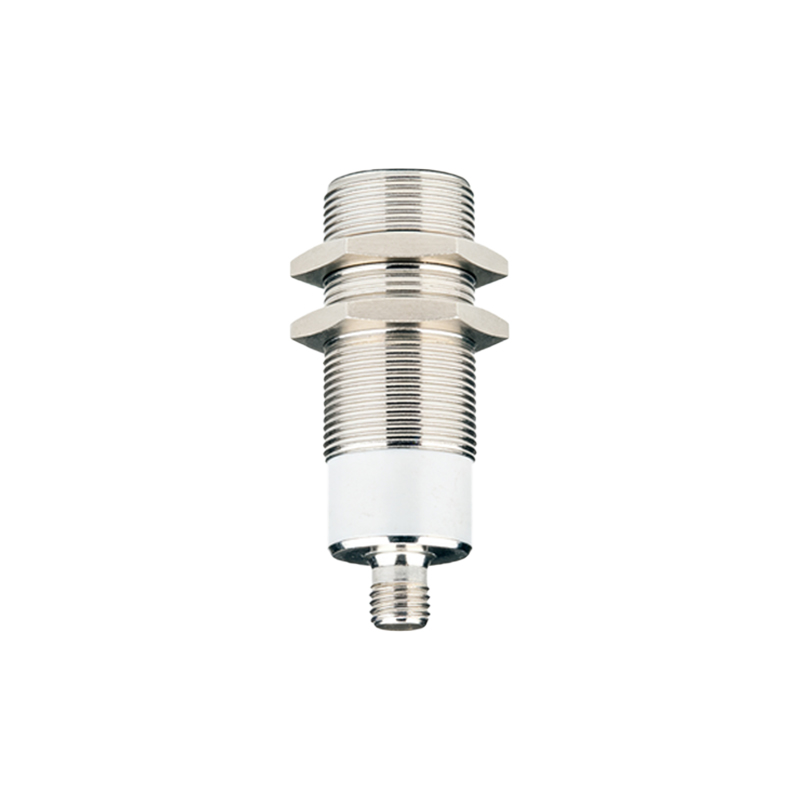
Inductive proximity sensors are widely used for detecting metallic objects. They generate an electromagnetic field and sense changes caused by eddy currents induced in a metal target. The effective sensing distance depends on the sensor's size and the target material, typically ranging from a few millimeters to about 60 millimeters. These sensors excel in harsh industrial environments with dust, oil, or vibrations, as they are not affected by non-metallic contaminants. However, they cannot detect non-metallic materials like plastic, wood, or liquids.
Capacitive proximity sensors can detect both metallic and non-metallic materials, including liquids, powders, and plastics. They work by measuring changes in capacitance between the sensor and the target object. When an object enters the electrostatic field, it alters the capacitance, triggering the sensor. The sensing distance is generally shorter than inductive types, often up to 25 millimeters, and can be influenced by environmental factors like humidity and temperature. These sensors are ideal for level detection in tanks or material handling applications.
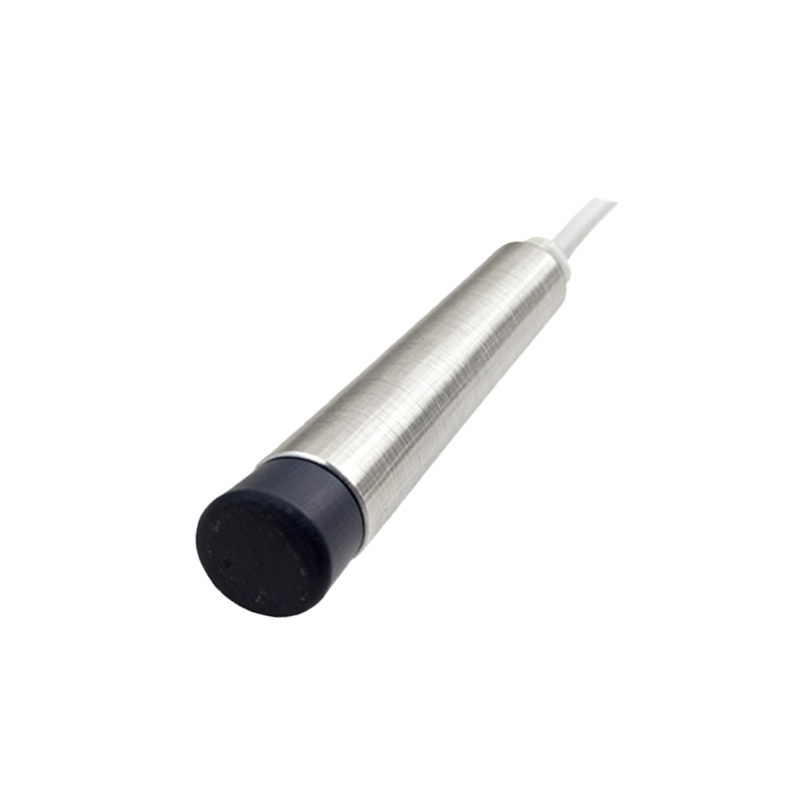
Ultrasonic proximity sensors utilize sound waves at frequencies above human hearing (typically 40-200 kHz). They calculate distance by measuring the time-of-flight (ToF) of an ultrasonic pulse from emission to reception after reflecting off an object. This technology offers longer sensing ranges, from a few centimeters to several meters, with good accuracy. It performs well in challenging conditions involving dust, smoke, or transparent materials that may confuse optical sensors. Common applications include parking assistance systems, object detection on conveyor belts, and liquid level monitoring.
Optical proximity sensors, often using infrared (IR) LEDs and photodetectors, are prevalent in consumer electronics and automation. They operate on the principle of light reflection or interruption. In distance measurement, the intensity of reflected IR light or phase shift (in more advanced versions like Time-of-Flight IR sensors) is analyzed. ToF IR sensors, found in smartphones for auto-brightness adjustment or gesture recognition, provide precise short-range measurements. Laser-based versions (LiDAR) offer high accuracy for longer distances, used in robotics and surveying. Optical sensors can be affected by ambient light, colored surfaces, or transparent objects, requiring careful calibration.
Key performance parameters for selecting a proximity sensor include sensing range, repeatability, linearity, response time, and environmental resistance. The sensing range defines the maximum and minimum distances for reliable detection. Repeatability indicates measurement consistency under identical conditions. Linearity refers to how proportionally the output signal corresponds to distance changes—critical for precise positioning. Fast response times are vital for high-speed automation, while robust housing and ingress protection (IP) ratings ensure durability in wet or dusty settings.
Applications span numerous industries. In manufacturing, proximity sensors enable precise positioning of robotic arms, part counting, and jam detection on assembly lines. Automotive systems rely on them for parking sensors, collision avoidance, and occupant detection. Consumer devices like smartphones and tablets use them to disable touchscreens during calls or enable gesture controls. In aerospace and logistics, they monitor object positions and automate sorting processes.
Calibration and installation are crucial for optimal performance. Sensors must be mounted correctly to avoid interference from surrounding metals or other sensors. Regular maintenance, such as cleaning lenses for optical sensors, ensures long-term accuracy. Advances in sensor fusion, integrating multiple sensing technologies with microprocessors and AI algorithms, are enhancing capabilities for complex tasks like 3D mapping and adaptive control systems.
In summary, proximity sensor distance measurement is a versatile technology with diverse implementations. Choosing the right sensor type depends on the target material, required range, environmental conditions, and cost considerations. Ongoing innovations in miniaturization, energy efficiency, and smart connectivity continue to expand its potential across industrial and consumer domains.