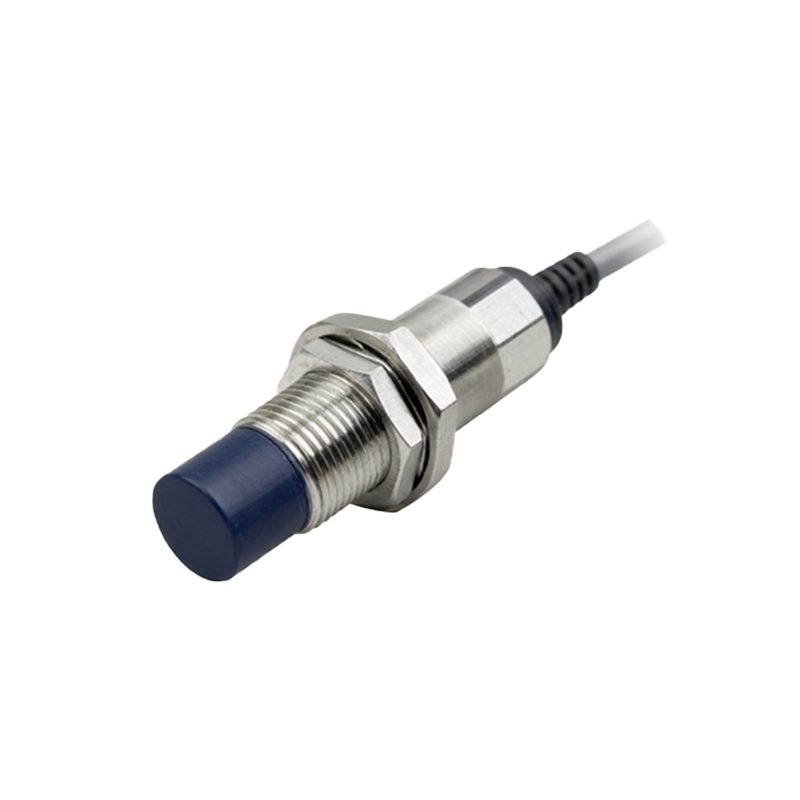
In industrial automation and electronic control systems, proximity switch reed sensors play a critical role in detecting the presence or absence of objects without physical contact. These sensors rely on the magnetic reed switch principle, where two ferromagnetic reeds sealed in a glass tube make or break contact under the influence of a magnetic field. Manufacturers specializing in these components cater to diverse sectors, including automotive, aerospace, consumer electronics, and machinery.
The production of proximity switch reed sensors involves precision engineering to ensure reliability, durability, and sensitivity. Leading manufacturers focus on key parameters such as switching capacity, response time, operating temperature range, and environmental resistance. For instance, sensors designed for harsh industrial environments often feature robust housing materials like stainless steel or epoxy coatings to withstand dust, moisture, and chemical exposure. Customization is common, with manufacturers offering tailored solutions for specific applications, such as high-frequency operations or miniaturized designs for compact devices.
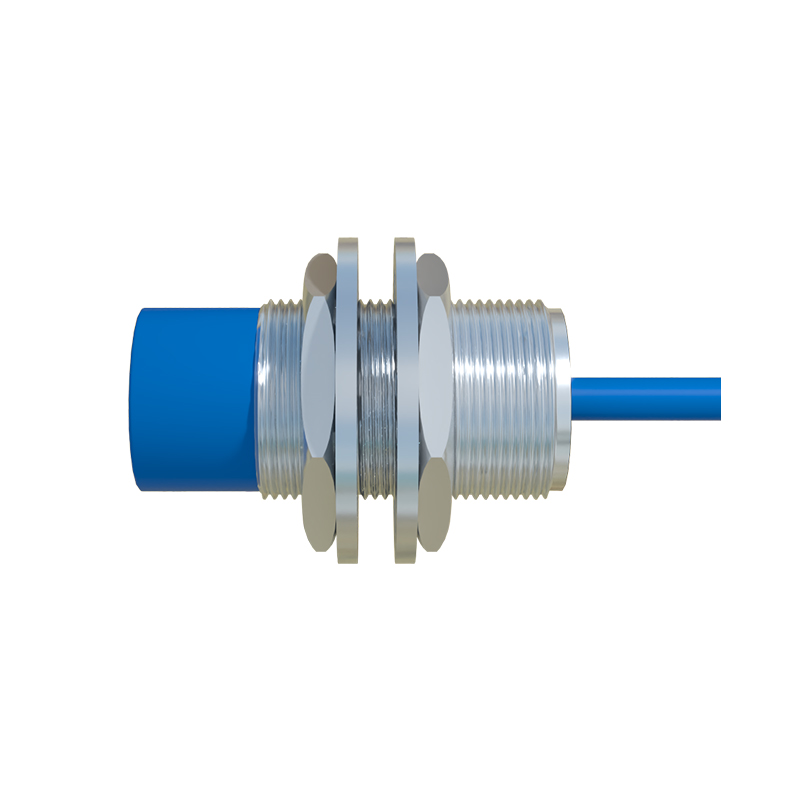
When selecting a manufacturer, several factors come into play. Quality certifications, such as ISO 9001 or industry-specific standards like ATEX for explosive atmospheres, indicate adherence to rigorous production norms. Technical support and after-sales service are equally important, as they ensure proper integration and troubleshooting. Additionally, manufacturers with strong R&D capabilities tend to innovate continuously, incorporating advancements like low-power consumption designs or enhanced magnetic shielding to reduce interference.
Globally, the market for proximity switch reed sensors is competitive, with established players in regions like Europe, North America, and Asia. European manufacturers are often recognized for high-precision engineering, while Asian suppliers may offer cost-effective solutions without compromising basic functionality. However, the choice ultimately depends on application requirements—whether it’s for safety-critical systems in medical equipment or routine detection in home appliances.
In summary, proximity switch reed sensor manufacturers drive innovation in non-contact sensing technology. By prioritizing quality, customization, and technical expertise, they enable efficient and safe operations across industries. As automation trends grow, the demand for reliable sensors is expected to rise, pushing manufacturers toward smarter, more integrated solutions.