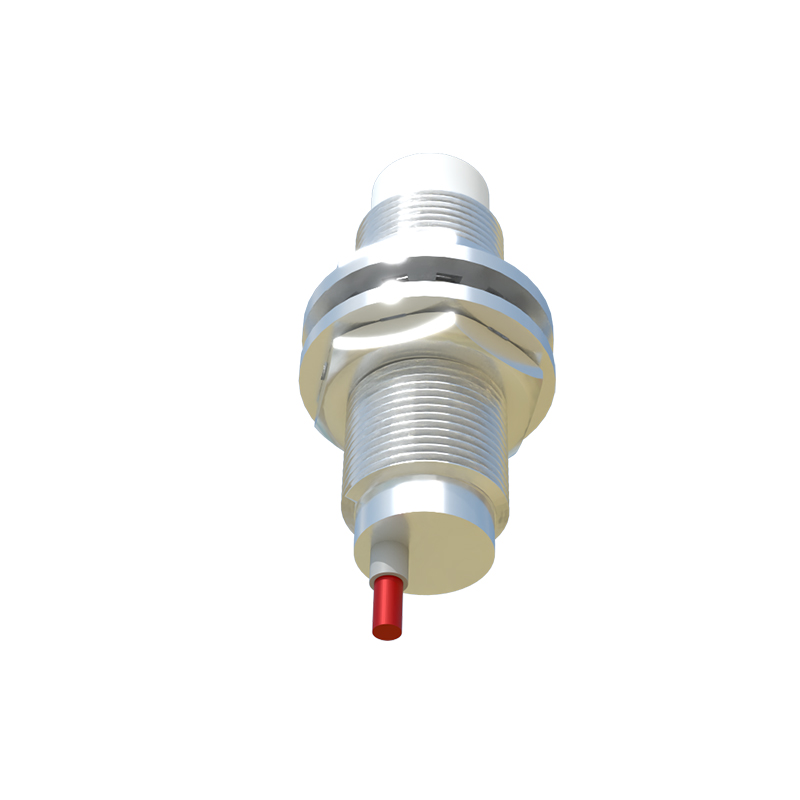
In the world of industrial automation and machinery, the reliability of components is paramount. Among these, mechanical proximity sensors play a critical role. They are the silent sentinels that detect the presence or absence of an object without physical contact, triggering vital actions in assembly lines, packaging systems, and safety mechanisms. With numerous manufacturers and suppliers in the market, determining which one offers the best mechanical proximity sensors can be a daunting task. This guide outlines key factors to consider, moving beyond simple brand names to focus on performance, support, and long-term value.
The first and most crucial consideration is technical specification alignment. A "good" supplier is one whose products precisely match your application's requirements. Key sensor parameters include sensing distance, repeat accuracy, response frequency, and housing material. For instance, a high-speed bottling line demands sensors with exceptionally fast response times and high switching frequencies. Conversely, a harsh environment with metal chips or coolants requires sensors with robust, stainless steel housings and high ingress protection (IP) ratings. The leading suppliers provide detailed, easily navigable datasheets and selection tools on their websites, allowing engineers to filter products by these exact specifications. Avoid suppliers with vague or incomplete technical data.
Beyond the product itself, evaluate the supplier's technical support and engineering expertise. The best companies distinguish themselves not just by what they sell, but by the knowledge they provide. Can you easily access application engineers for consultation? Do they offer comprehensive documentation, including 2D/3D CAD models, wiring diagrams, and detailed installation guides? A supplier with a strong support ecosystem can save countless hours in integration and troubleshooting, preventing costly downtime. Look for suppliers who publish white papers, application notes, and host webinars on sensor technology and best practices. This demonstrates a commitment to customer education and industry leadership.
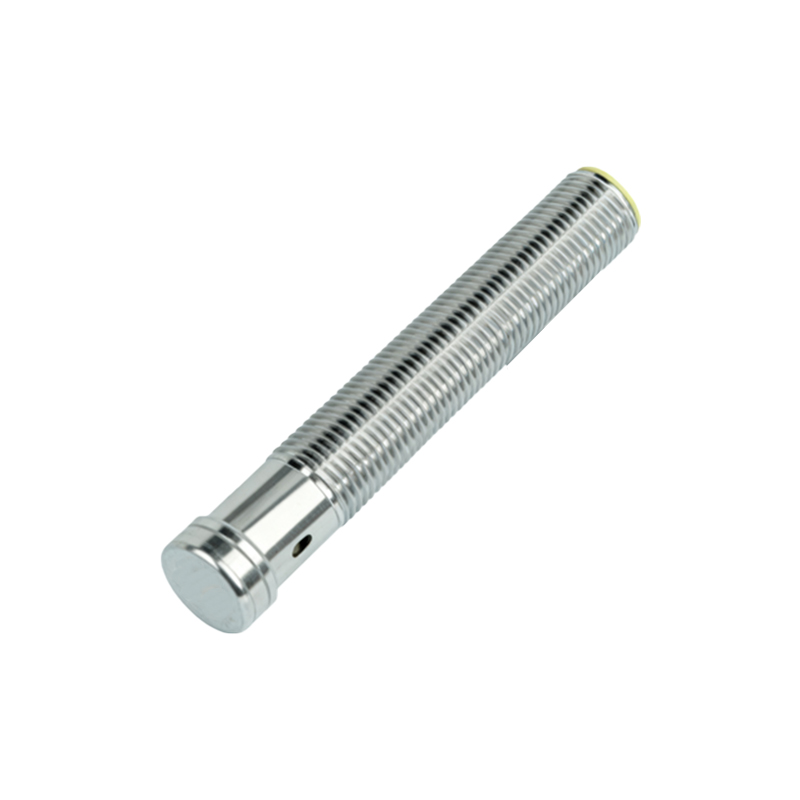
Reliability and product consistency are non-negotiable. In industrial settings, a sensor failure can halt an entire production process. Investigate the manufacturer's quality control processes. Do they adhere to international standards like ISO 9001? What is their stated mean time between failures (MTBF)? Reputable suppliers often conduct rigorous environmental testing (for shock, vibration, temperature extremes) and provide these results. Furthermore, consider the breadth and stability of the product portfolio. A supplier with a wide, well-established range of inductive, capacitive, and magnetic mechanical proximity sensors is often more reliable than a niche player, as it indicates sustained R&D investment and manufacturing maturity.
Delivery logistics and global supply chain strength have become decisive factors. A perfect sensor is useless if it arrives late. Assess the supplier's distribution network, lead times for standard and custom products, and inventory transparency. Top-tier suppliers typically have multiple regional warehouses and offer real-time stock checking. They also have robust processes to manage component shortages and supply chain disruptions. For multinational operations, a supplier with a consistent global presence ensures you can source the same reliable part anywhere in the world, simplifying maintenance and spare parts management.
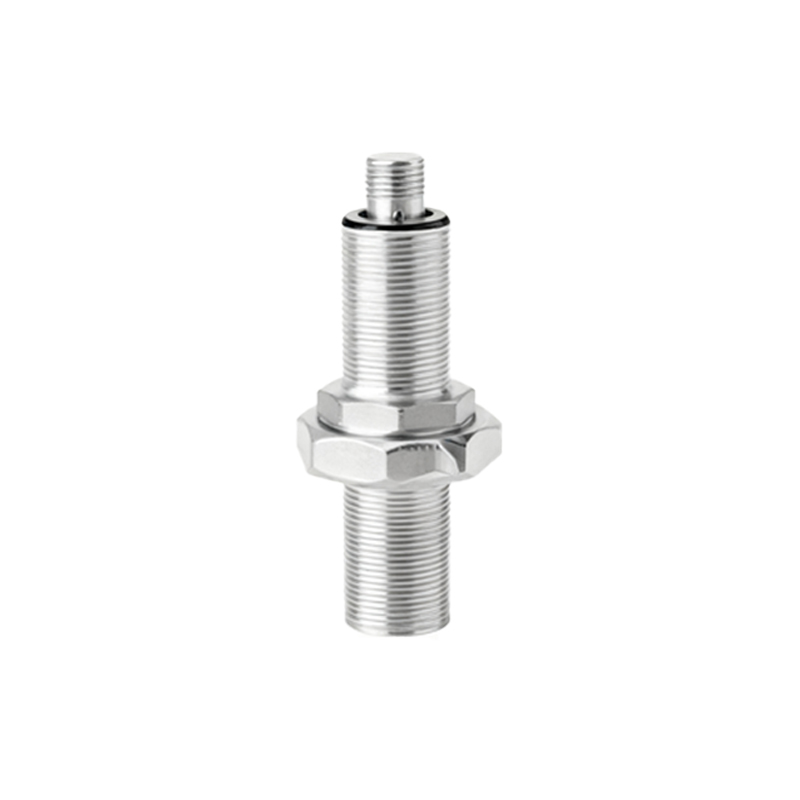
Finally, consider the total cost of ownership (TCO), not just the unit price. A cheaper sensor from an unknown supplier might have a higher failure rate, leading to more frequent replacements, increased labor costs for swaps, and production losses. A sensor from a premium supplier, while perhaps more expensive upfront, often delivers superior longevity and performance consistency, resulting in lower TCO. Evaluate warranty terms, the availability of repair services, and the supplier's policy on product lifecycle management to avoid obsolescence issues.
In conclusion, identifying the best mechanical proximity sensor supplier is a multifaceted process. It requires a balance of technical product excellence, accessible expert support, proven reliability, efficient logistics, and favorable total cost of ownership. Leading names in the industry have earned their reputation by excelling in these areas consistently. Prioritize suppliers who act as solution partners, investing time to understand your specific challenges. By focusing on these criteria, you can make an informed decision that ensures the smooth, efficient, and uninterrupted operation of your automated systems for years to come.