In today's rapidly advancing industrial and consumer electronics landscape, the demand for precise, reliable sensing technology has never been higher. Proximity sensors, the silent workhorses behind touchless interfaces, automated safety systems, and smart device functionality, are at the heart of this revolution. Consequently, the hunt for skilled professionals in proximity sensor recruitment has become a critical strategic focus for companies ranging from automotive giants to innovative IoT startups. This specialized field requires a unique blend of talent, merging deep technical knowledge with practical application skills.
The core challenge in proximity sensor recruitment lies in identifying individuals who understand not just the theory, but the nuanced reality of sensor integration. Ideal candidates possess a strong foundation in physics and electrical engineering, particularly in areas like electromagnetism, capacitive coupling, and infrared technology—the fundamental principles behind inductive, capacitive, and optical proximity sensors. However, theoretical knowledge is only the starting point. Recruiters and hiring managers must seek out engineers and developers with hands-on experience in signal processing, noise reduction, and embedded systems programming. The ability to optimize a sensor's performance in a noisy industrial environment or ensure its low-power efficiency in a consumer gadget is what separates a competent engineer from an invaluable one.
Furthermore, the role often extends beyond pure hardware. With the rise of Industry 4.0 and the Internet of Things, proximity sensors are increasingly part of complex networked systems. Therefore, recruitment efforts must also consider software proficiency. Candidates familiar with sensor fusion algorithms, data communication protocols (like IO-Link, CAN bus), and integration with PLCs or cloud platforms are in exceptionally high demand. The modern proximity sensor specialist is a hybrid professional, capable of bridging the gap between the physical sensing element and the digital ecosystem it informs.
For companies embarking on a proximity sensor recruitment drive, crafting a precise job description is the first crucial step. Vague titles like "Sensor Engineer" are less effective than specific ones such as "Proximity Sensor Applications Engineer" or "Electro-Optical Sensing Systems Designer." The description should clearly outline the required expertise in specific sensor types (e.g., ultrasonic, magnetic, LiDAR for advanced proximity detection), relevant industry standards, and experience with design tools like CAD and simulation software. Highlighting real-world projects, such as developing collision avoidance systems or enabling new human-machine interaction paradigms, can attract candidates motivated by tangible impact.
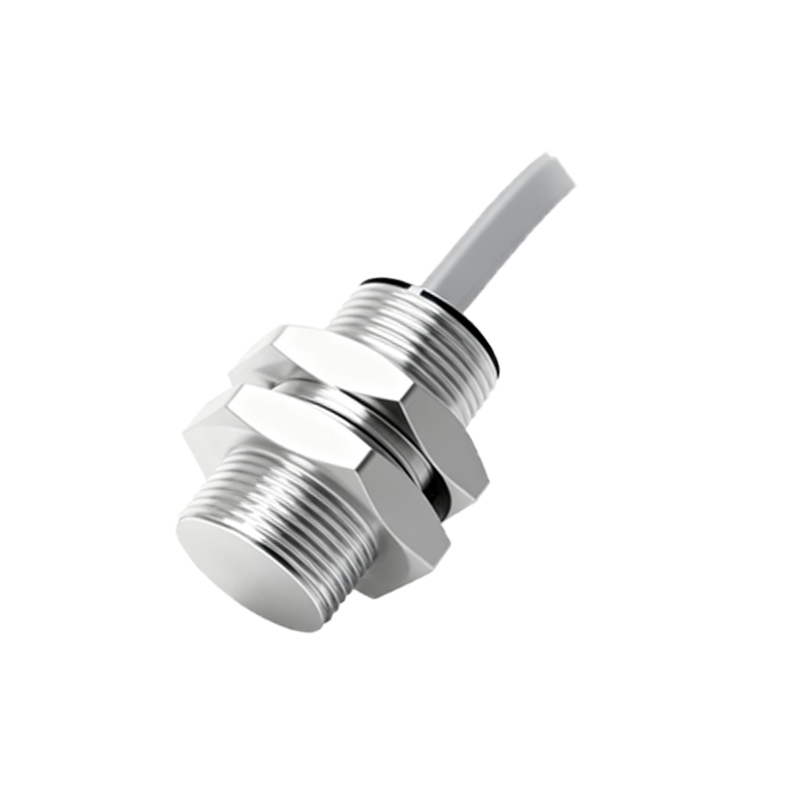
The sourcing strategy requires a targeted approach. While general engineering job boards have their place, specialized platforms and communities focused on embedded systems, robotics, automotive engineering, and sensor technology yield higher-quality candidates. Engaging with academic institutions that have strong mechatronics or applied physics programs can provide access to emerging talent. Perhaps most importantly, showcasing your company's commitment to cutting-edge technology and interesting technical challenges is key to attracting passive candidates who are already successfully employed in the field.
The interview process should be rigorously practical. Technical assessments might involve problem-solving scenarios: how to choose a sensor type for a given application, how to troubleshoot erratic sensor behavior, or how to design a circuit for a specific detection range. Presenting candidates with real sensor datasheets and asking for analysis can quickly reveal their depth of practical knowledge. Behavioral questions should explore their experience in cross-functional collaboration, as sensor integration invariably involves working with mechanical engineers, software teams, and product designers.
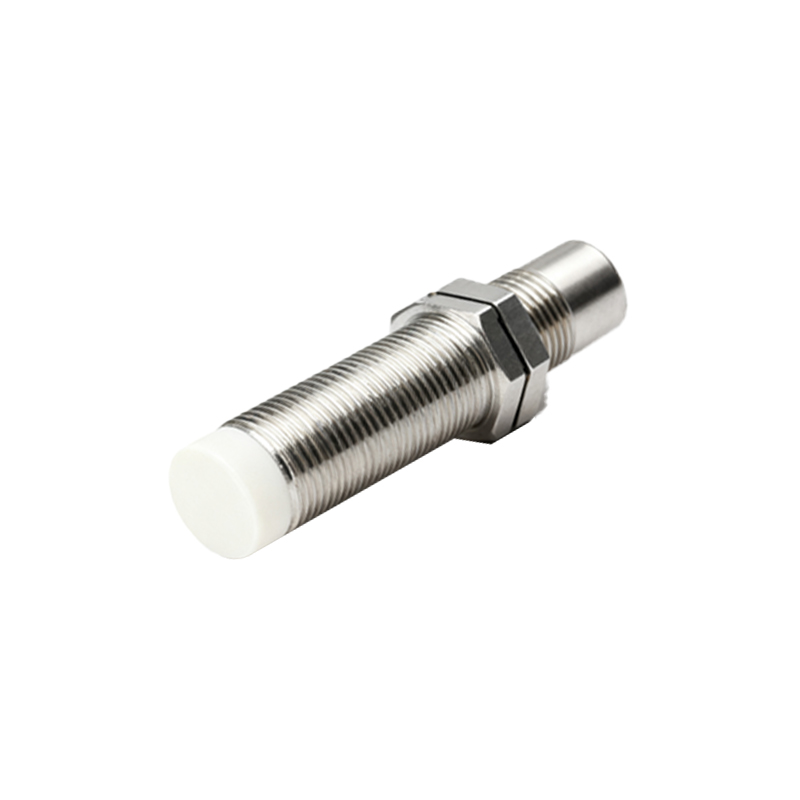
Ultimately, successful proximity sensor recruitment is about recognizing that you are hiring for a pivotal role that enables innovation. These professionals are the enablers of automation, safety, and seamless user experiences. By understanding the specific technical landscape, crafting targeted recruitment messages, and implementing a thorough, practical evaluation process, organizations can secure the specialized talent needed to push the boundaries of what sensing technology can achieve. In a world increasingly dependent on smart, responsive systems, investing in the right proximity sensor expertise is not just a hiring decision—it's a competitive imperative.