In the rapidly evolving landscape of industrial automation, robotics, and smart systems, the demand for precise, reliable, and context-aware detection has never been greater. Enter multi-level proximity sensors, a sophisticated class of sensing technology that is fundamentally changing how machines perceive and interact with their environment. Unlike traditional binary sensors that simply detect the presence or absence of an object, multi-level sensors provide graded, continuous, or multiple discrete levels of information about distance, position, or even material composition. This granular data is the key to unlocking new levels of efficiency, safety, and intelligence in automated processes.
At its core, a multi-level proximity sensor operates on principles similar to its standard counterparts—using electromagnetic fields, ultrasonic waves, or optical signals. However, its advanced signal processing and output capabilities set it apart. Instead of triggering a single on/off switch at a predefined threshold, these sensors can differentiate between several distance zones or provide an analog signal proportional to the distance. For instance, a sensor might be programmed with three distinct levels: Level 1 (object far), Level 2 (object at medium range), and Level 3 (object very close). Each level can be assigned a specific output signal—a different voltage, a unique digital code, or a dedicated output wire—enabling a control system to execute different actions based on precise positional data.
The applications for this technology are vast and transformative. In automated guided vehicles (AGVs) and mobile robots, multi-level sensors enable sophisticated navigation and obstacle avoidance. A single sensor array can detect an obstacle in the distance (Level 1), initiate a speed reduction protocol, and as the object gets closer (Level 2), recalculate the path. At Level 3, a critical stop command can be issued, preventing collisions with a high degree of reliability. This layered approach is far superior to a simple "stop/go" command, allowing for smoother, more human-like decision-making.
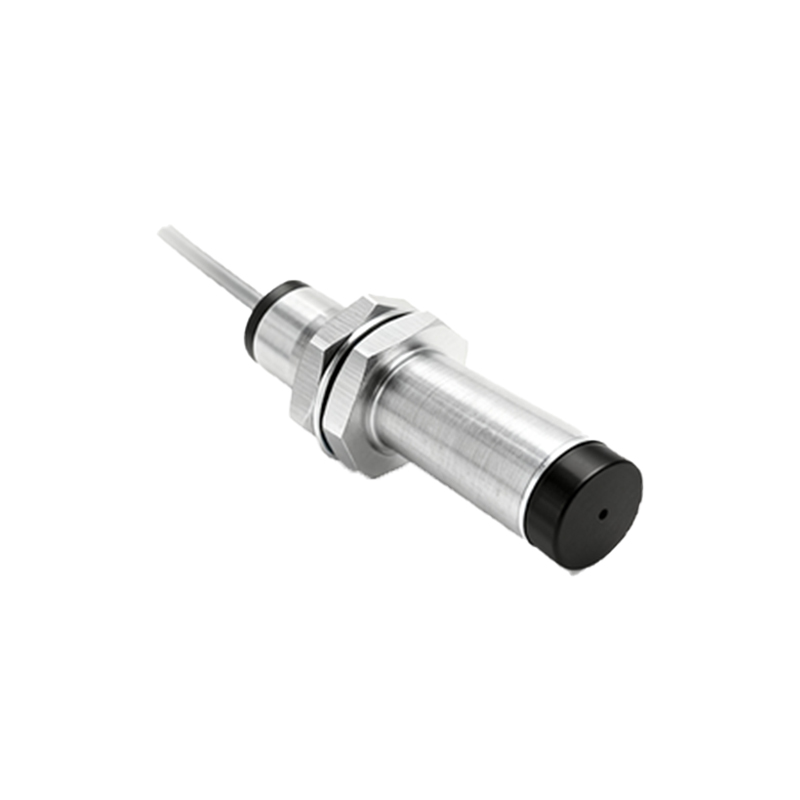
In manufacturing and assembly lines, these sensors bring unprecedented precision to part handling and machine tending. Consider a robotic arm picking components from a conveyor belt. A multi-level optical sensor can detect the approaching component (Level 1), confirm its correct position and orientation as it arrives at the pickup point (Level 2), and finally verify a successful grip before the arm moves away (Level 3). This multi-stage verification drastically reduces errors, minimizes part damage, and increases overall throughput. Similarly, in packaging machinery, sensors can monitor fill levels in containers with multiple setpoints, ensuring consistent product quality.
Safety systems represent another critical domain. On heavy machinery like presses or CNC machines, multi-level safety light curtains or laser scanners can create virtual warning and danger zones. An operator entering a warning zone (Level 1) can trigger an alert or slow down the machine. Unauthorized entry into the immediate danger zone (Level 2) initiates an immediate and safe shutdown. This proactive, graded response enhances operator safety without unnecessarily halting production for minor intrusions.
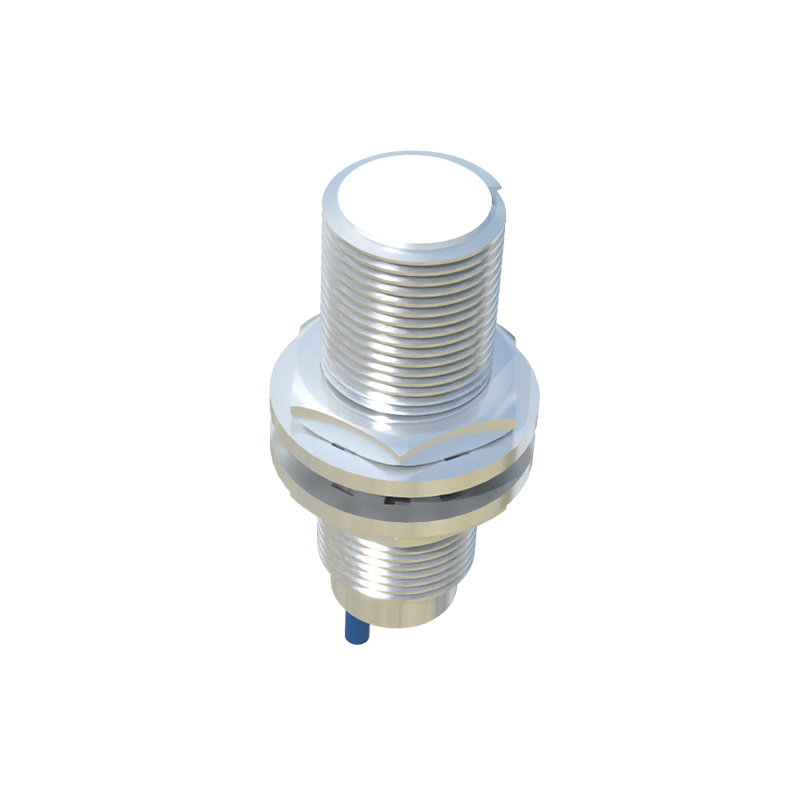
The benefits of adopting multi-level proximity sensing are compelling. They lead to a significant reduction in sensor count and wiring complexity, as one intelligent sensor can replace several binary ones. This simplifies system design, lowers installation and maintenance costs, and improves reliability. Furthermore, the rich data they provide facilitates predictive maintenance, as trends in distance readings can indicate wear in mechanical components like belts or guides before a failure occurs.
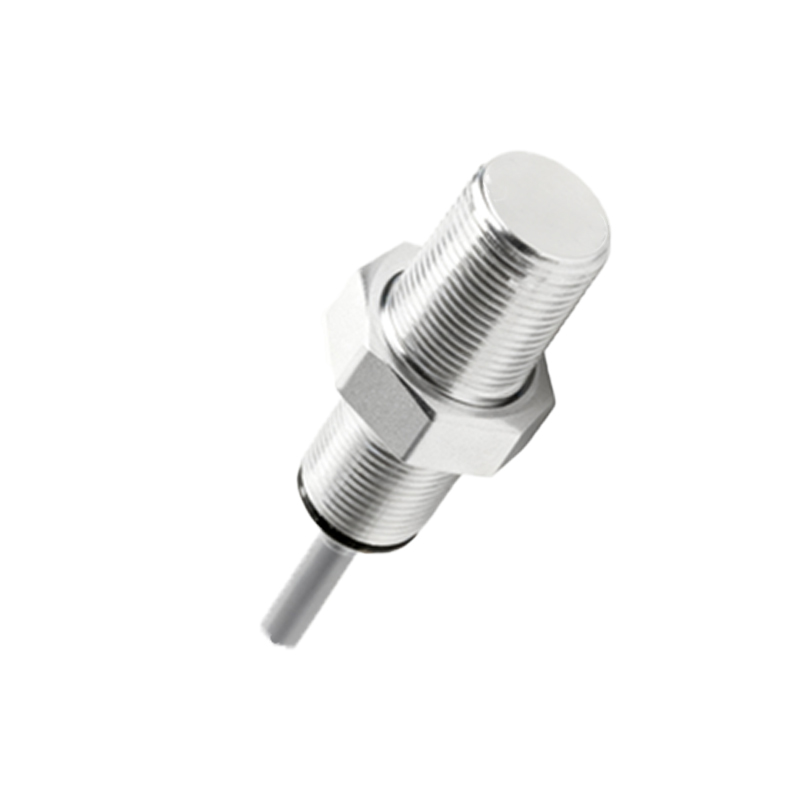
Implementing these sensors requires careful consideration. Engineers must select the appropriate sensing technology—inductive for metals, capacitive for non-metals and liquids, ultrasonic for harsh environments, or optical for high precision. The choice of output type (PNP/NPN discrete, analog voltage/current, IO-Link, etc.) must align with the controller's capabilities. Programming the threshold levels and hysteresis is crucial to prevent output chatter and ensure stable operation in dynamic environments.
Looking ahead, the integration of multi-level sensors with Industrial Internet of Things (IIoT) platforms and artificial intelligence is the next frontier. Sensors with digital communication protocols like IO-Link not only transmit multiple levels of process data but also extensive diagnostic information. This enables centralized monitoring, remote configuration, and the development of self-optimizing systems that can adjust their sensitivity and thresholds based on real-time operating conditions.
In conclusion, multi-level proximity sensors are not merely an incremental improvement but a paradigm shift in sensing technology. By providing nuanced, contextual information about the physical world, they empower machines to perform with greater autonomy, precision, and safety. As industries continue their march towards full automation and Industry 4.0, these intelligent sensors will undoubtedly serve as the foundational eyes and touchpoints for the smart factories of the future, bridging the gap between simple detection and true environmental understanding.