Proximity sensors are essential components in modern automation, robotics, and consumer electronics, detecting the presence or absence of objects without physical contact. Understanding their specifications and dimensions is critical for selecting the right sensor for any application. This guide delves into the key parameters and physical sizes that define these versatile devices.
The core specifications of a proximity sensor determine its performance and suitability. Sensing range, often measured in millimeters, indicates the maximum distance at which the sensor can reliably detect a target. Common ranges vary from 2mm to 60mm for inductive and capacitive types, while photoelectric sensors can reach several meters. The sensing range is directly influenced by the target material, size, and shape. Another vital specification is the output type, which can be digital (NPN or PNP transistor), analog (current or voltage), or IO-Link for smart sensors. The output dictates how the sensor communicates with a controller like a PLC.
Response time, measured in milliseconds or microseconds, defines how quickly the sensor reacts to a target entering its detection zone. High-speed applications, such as packaging or assembly lines, require fast response times. Repeatability, or the sensor's ability to consistently detect a target at the same distance, is another crucial performance metric. Environmental ratings are equally important. Ingress Protection (IP) ratings, such as IP67 or IP69K, indicate resistance to dust and water, while operating temperature ranges ensure functionality in harsh industrial conditions.
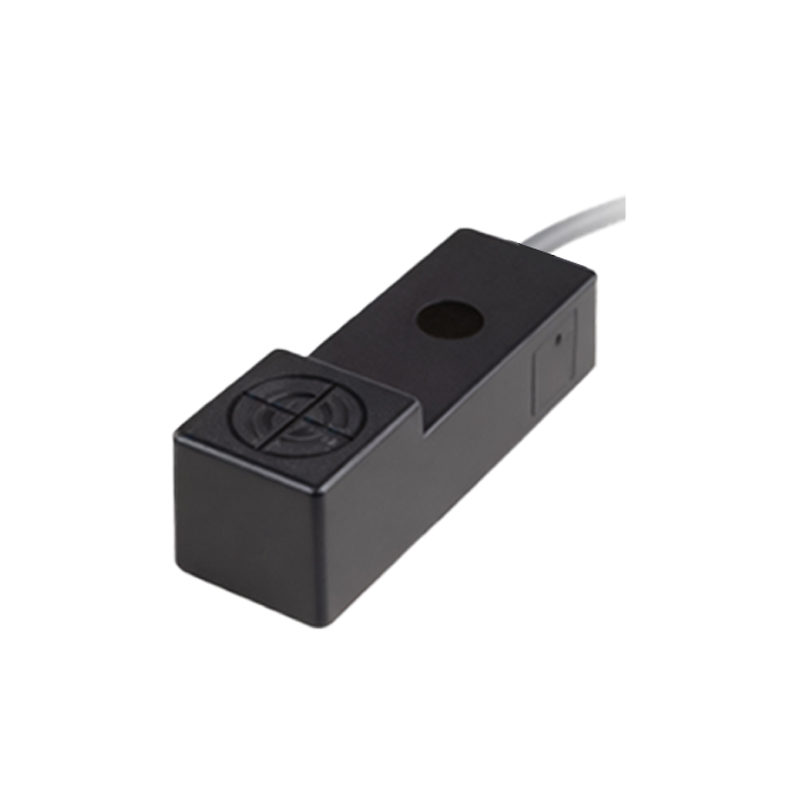
Dimensions and form factors are equally decisive in integration. Cylindrical threaded barrels, such as M8, M12, M18, and M30, are industry standards for inductive and capacitive sensors. An M12 sensor, for example, has a 12mm diameter thread and is compact for space-constrained installations. Rectangular or block-style housings are typical for ultrasonic and some photoelectric sensors, offering different mounting options. Key dimensional considerations include the sensor's body length, thread length, and the size of the sensing face. Miniaturized sensors, with dimensions as small as M3 or 3mm x 3mm x 1.5mm, are increasingly common in consumer electronics like smartphones and tablets for features like screen blanking during calls.
Mounting style significantly impacts the required space and detection characteristics. Flush-mountable sensors can be embedded into metal without interference from surrounding material, while non-flush sensors offer longer ranges but require clearance. The choice between shielded (flush) and unshielded (non-flush) designs affects both the sensing field and physical integration. Connector types, such as pre-wired cables or quick-disconnect plugs, also influence the overall installation footprint.
When selecting a sensor, engineers must cross-reference specifications with dimensions. A sensor with a long sensing range might have a larger housing, which may not fit the mechanical design. Conversely, a miniaturized sensor might have a limited sensing range or lower environmental robustness. Material compatibility is another intersection; inductive sensors detect metals, with different sensing ranges for steel, aluminum, and copper, while capacitive sensors can detect non-metals. The target size must also be considered relative to the sensor's active surface area for reliable operation.
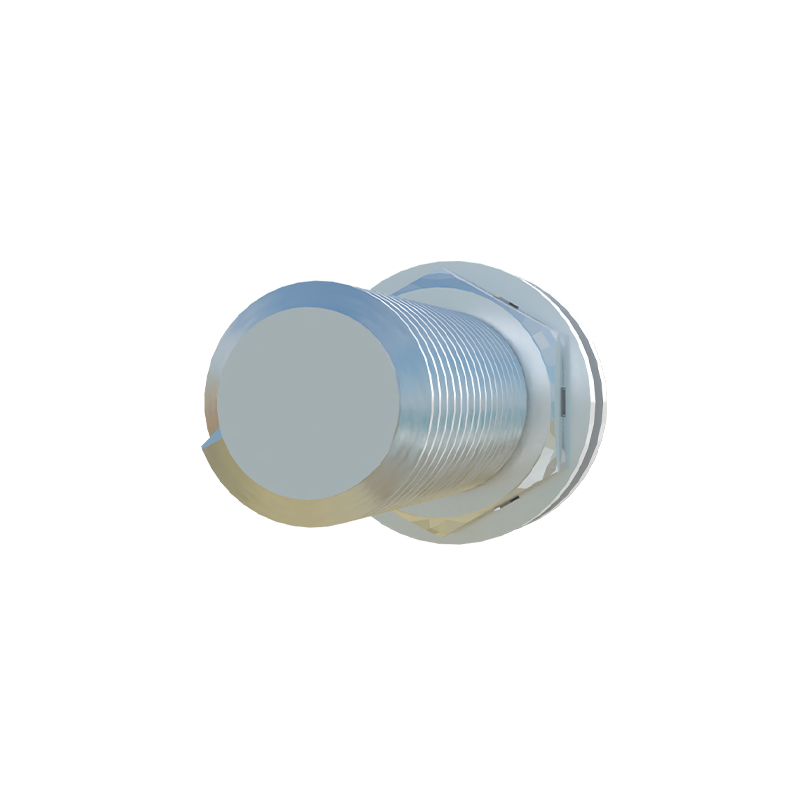
In practice, application dictates priority. In automotive manufacturing, robust M18 or M30 sensors with high IP ratings and millisecond response times are standard for part detection. In food and beverage, hygienic designs with smooth surfaces and specific materials are mandated. In consumer electronics, ultra-small dimensions and low power consumption are paramount. Always consult the manufacturer's datasheet for precise dimensional drawings and detailed specification tables, including hysteresis, supply voltage, and current consumption.
Ultimately, a successful implementation balances electrical specifications, mechanical dimensions, and environmental demands. By thoroughly analyzing both the performance parameters and the physical constraints, designers can ensure reliable, efficient, and cost-effective integration of proximity sensors into their systems, enabling smarter and more responsive automation solutions across industries.