In the realm of industrial automation and smart systems, the ability to detect the presence, absence, or position of an object without physical contact is paramount. Photoelectric proximity switch sensors are a cornerstone technology enabling this capability. These devices operate on the principle of using a light beam, typically infrared, visible red, or laser, to sense objects. Their non-contact nature makes them exceptionally reliable, durable, and versatile for a vast array of applications, from factory floors to consumer electronics.
The fundamental working principle involves two main components: an emitter (light source) and a receiver (photodetector). The emitter projects a beam of light. When this beam is interrupted or reflected by an object, the change in light intensity at the receiver is detected and converted into an electrical switching signal. Based on their sensing mode, photoelectric sensors are primarily categorized into three types: through-beam, retro-reflective, and diffuse reflective.
Through-beam sensors, also known as opposed-mode sensors, consist of separate emitter and receiver units placed opposite each other. Detection occurs when an object breaks the light beam traveling from the emitter to the receiver. This mode offers the longest sensing range and highest reliability, as it is less affected by the object's color, surface finish, or angle. They are ideal for precise detection in demanding environments, such as counting objects on a high-speed conveyor or ensuring safety in automated machinery guards.
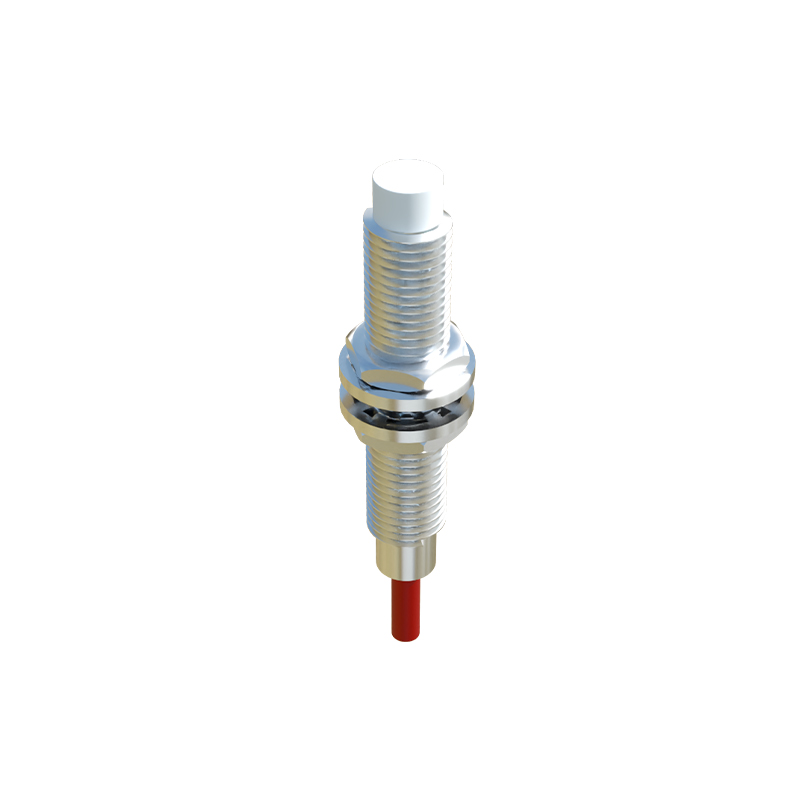
Retro-reflective sensors house both the emitter and receiver in a single housing. They rely on a reflector, typically a corner-cube reflector, placed opposite the sensor. The emitted light beam travels to the reflector and bounces back to the receiver. An object is detected when it interrupts this return beam. This type provides a good sensing range, simplifies installation compared to through-beam sensors (only one wiring point), and is excellent for detecting opaque objects. However, shiny or reflective objects can sometimes cause false triggers, a consideration for specific applications.
Diffuse reflective sensors, or proximity-mode sensors, also integrate the emitter and receiver. They detect an object by the light reflected directly off the object's surface back to the receiver. The sensing distance is generally shorter and is influenced by the object's color, size, and surface texture (lighter colors reflect more light than darker ones). This self-contained design is highly popular for applications like detecting objects on a conveyor belt, bottle cap presence in packaging, or material level detection in bins.
Key advantages of photoelectric proximity switches include their fast response time, allowing for detection in high-speed processes. They can sense a wide variety of materials, including glass, plastic, metal, and wood, as long as they affect the light beam. Modern sensors are built to be robust, with enclosures rated IP67 or higher, making them resistant to dust, water, and vibration common in industrial settings. Furthermore, many models feature adjustable sensitivity, time delays, and teach-in functions for easy setup.
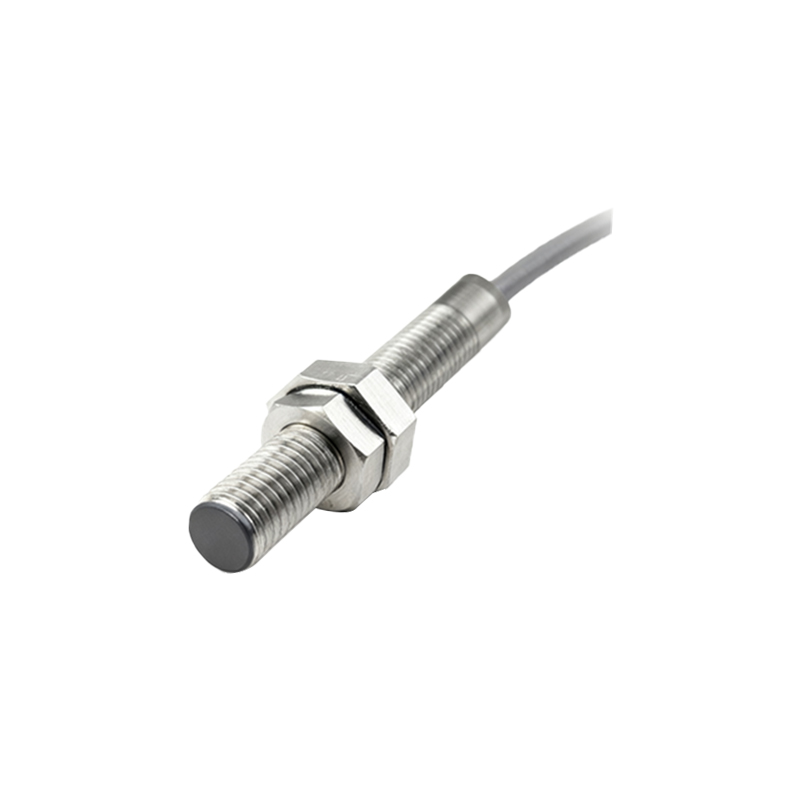
When selecting a photoelectric sensor for an application, several critical factors must be evaluated. The required sensing range and the size of the target object are primary considerations. The operating environment is crucial; sensors with rugged housings and appropriate ingress protection (IP) ratings are necessary for harsh conditions involving moisture, chemicals, or extreme temperatures. The object's properties—its color, transparency, and surface finish—will dictate the most suitable sensing mode. For instance, detecting a clear glass bottle requires a through-beam or specialized polarized retro-reflective sensor, while detecting a cardboard box is straightforward with a diffuse sensor. Finally, the required output type (e.g., NPN, PNP, analog, or IO-Link) must be compatible with the control system.
Applications for these sensors are ubiquitous. In manufacturing, they are used for object counting, jam detection, fill level control, and robotic positioning. In the automotive industry, they ensure precise part placement and assembly verification. Beyond industry, they are found in automatic doors, printing machinery, vending machines, and even as safety interlifts in elevators and garage doors.
In conclusion, photoelectric proximity switch sensors are indispensable components in modern automation. Their non-contact operation, versatility across different sensing modes, and adaptability to challenging environments make them a superior choice for countless detection tasks. A thorough understanding of their operating principles and a careful assessment of the application requirements are the keys to selecting the optimal sensor, ensuring reliable performance, enhanced efficiency, and improved system safety.