In the world of industrial automation and machinery, rectangular proximity sensors are indispensable components. Their primary function is to detect the presence or absence of objects without physical contact, making them crucial for applications in manufacturing, packaging, and safety systems. When selecting a rectangular proximity sensor, several factors come into play, including sensing range, material compatibility, environmental durability, and reliability. This article explores key considerations and highlights leading manufacturers in the field, helping you make an informed decision without bias.
Rectangular proximity sensors are favored for their compact design and ease of installation in tight spaces. They typically use inductive, capacitive, or ultrasonic technologies, each suited for different materials and conditions. Inductive sensors, for instance, are ideal for detecting metallic objects, while capacitive sensors can handle non-metallic materials like plastics or liquids. The choice depends largely on your specific application needs, such as the type of object to be detected and the operating environment (e.g., exposure to dust, moisture, or extreme temperatures).
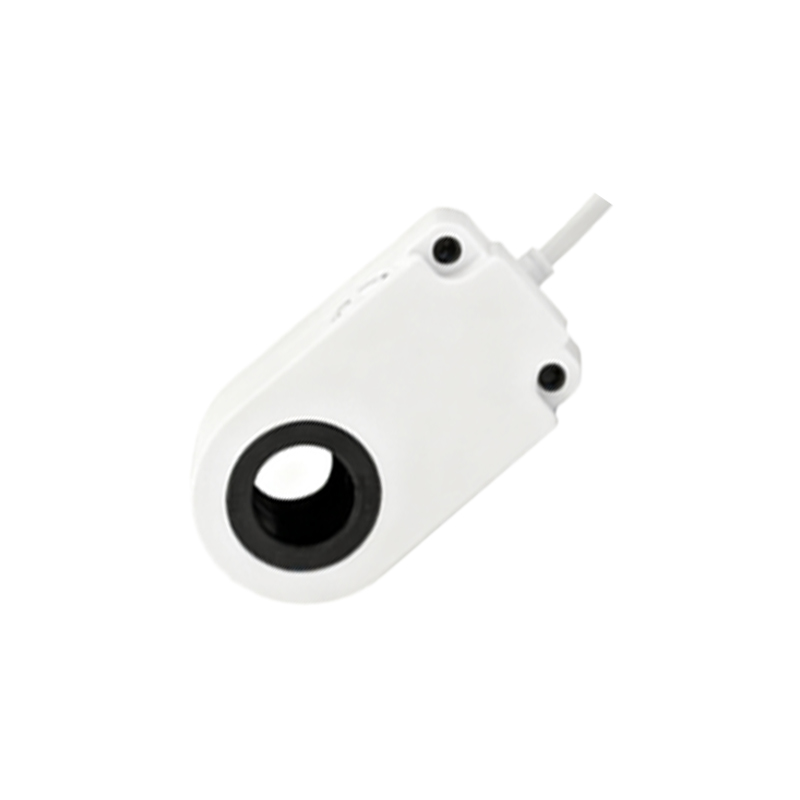
One of the top considerations when evaluating manufacturers is product quality and consistency. A reliable sensor should offer stable performance over long periods, with minimal false triggers or failures. Look for manufacturers that adhere to international standards, such as ISO certifications, and provide detailed technical specifications. Additionally, consider the sensor's housing material—often made from stainless steel or rugged plastics—to ensure it can withstand harsh industrial conditions without corrosion or damage.
Another critical aspect is the sensing range and output options. Rectangular proximity sensors come in various ranges, from a few millimeters to several centimeters. Some models feature adjustable sensing distances, adding flexibility for diverse setups. Output types include analog signals (e.g., 4-20 mA or 0-10 V) for precise measurements, and digital outputs (e.g., PNP or NPN) for simple on/off detection. Leading manufacturers often offer a wide selection to cater to different control systems, such as PLCs or microcontrollers.
When it comes to reputable manufacturers, several names stand out in the global market. Companies like Siemens, Omron, Schneider Electric, and Pepperl+Fuchs are renowned for their innovation and reliability in sensor technology. Siemens, for example, provides robust rectangular proximity sensors with high immunity to electromagnetic interference, suitable for heavy-duty applications. Omron is known for its precision and durability, offering sensors with extended lifetimes and easy integration. Schneider Electric focuses on energy-efficient models, while Pepperl+Fuchs excels in hazardous environments with explosion-proof designs.
Beyond brand reputation, consider after-sales support and availability. A good manufacturer should offer comprehensive documentation, technical assistance, and readily available spare parts. Check for warranty periods and customer reviews to gauge real-world performance. It's also wise to test sensors in your specific setup before bulk purchasing, as environmental factors like temperature fluctuations or vibration can affect functionality.
In summary, choosing the best rectangular proximity sensor involves balancing technical requirements with manufacturer credibility. Assess your application's demands for sensing technology, range, and environmental resistance, then compare offerings from established brands. By prioritizing quality and support, you can enhance your system's efficiency and reduce downtime, ensuring a worthwhile investment in automation components.