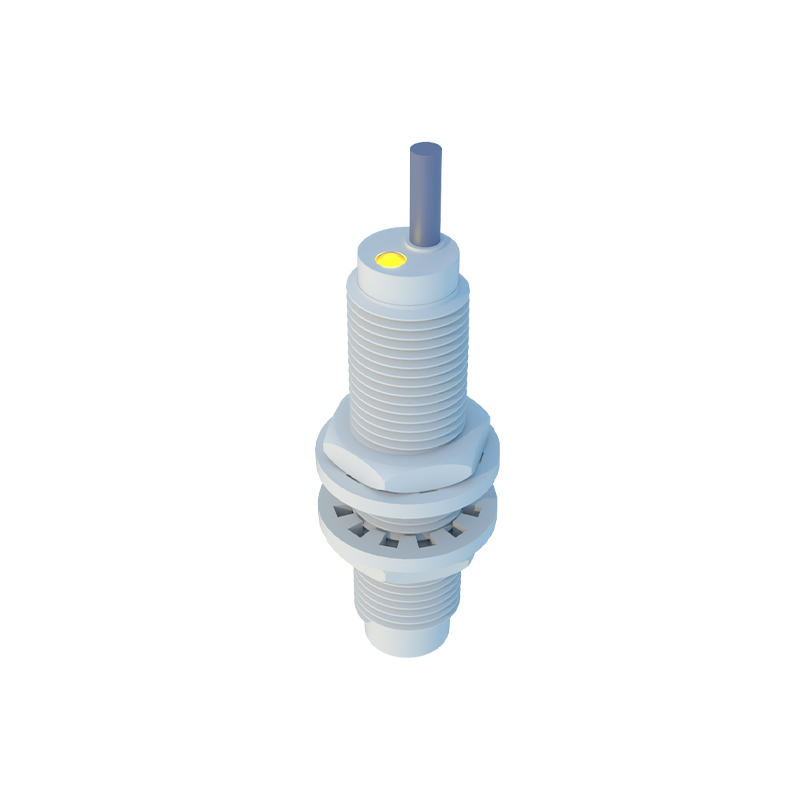
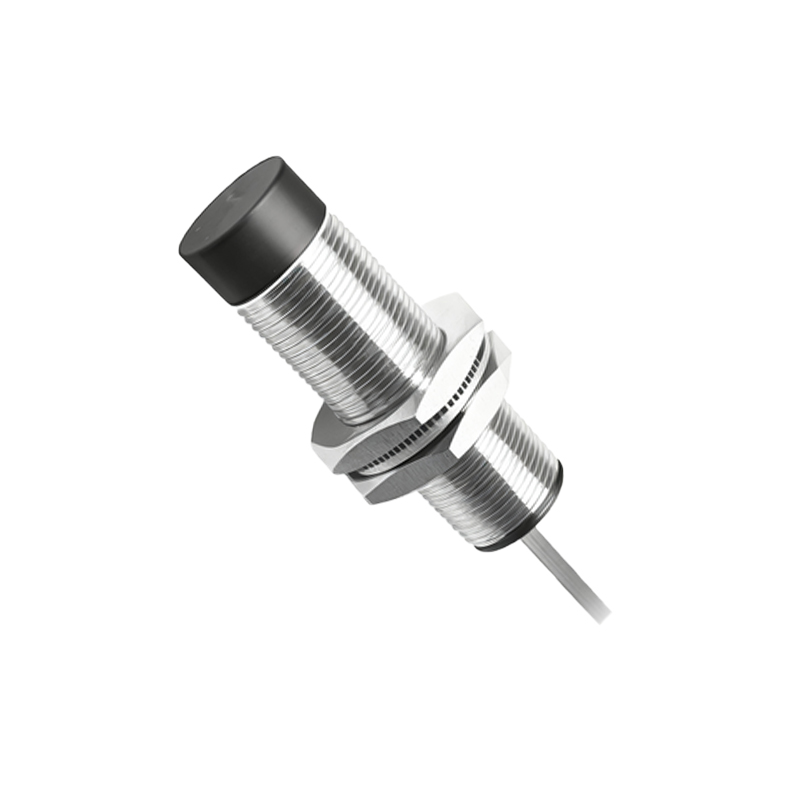
Proximity sensing is a foundational technology that enables devices to detect the presence or absence of nearby objects without any physical contact. At its core, it works by emitting a field or beam of electromagnetic radiation, often infrared light, and then looking for changes in the field or the return signal. The most common method involves an infrared LED that emits light and a photodiode or phototransistor that senses the reflected light. When an object comes close, it reflects the emitted light back to the sensor, triggering a detection event. Other prevalent technologies include capacitive sensing, which detects changes in an electrical field caused by conductive objects, and ultrasonic sensing, which uses sound waves.
The applications of this seemingly simple technology are vast and deeply integrated into modern life. In the consumer electronics sector, it is the invisible hand that powers many convenient features. For instance, smartphones use proximity sensors to turn off the touchscreen display when held to the ear during a call, preventing accidental cheek-dials and saving battery life. Similarly, many laptops and tablets employ sensors to detect when a user is present, automatically waking from sleep mode or dimming the screen when the user walks away. This functionality extends to smart home devices like faucets, soap dispensers, and hand dryers, promoting hygiene and efficiency by enabling touchless operation.
Beyond personal devices, proximity sensing is critical in industrial automation and robotics. On assembly lines, sensors ensure precise positioning of components, count objects on conveyor belts, and provide safety measures by detecting when a person enters a hazardous area, potentially triggering an emergency stop. Robots use arrays of proximity sensors for navigation and obstacle avoidance, allowing them to map their environment and move safely. In the automotive industry, these sensors are integral to parking assistance systems, alerting drivers to nearby obstacles with audible warnings. They also enable advanced features like automatic trunk opening when a foot gesture is detected underneath the rear bumper.

The technology also plays a vital role in energy conservation and smart infrastructure. Automatic lighting systems in offices, warehouses, and public restrooms use occupancy sensors, a form of proximity detection, to turn lights on only when a space is occupied, significantly reducing electricity waste. In public transportation, sensors can detect passenger presence to optimize door operation and climate control within train cars or buses.
Looking forward, the evolution of proximity sensing is tied to the growth of the Internet of Things (IoT) and smarter environments. Sensors are becoming smaller, more power-efficient, and more intelligent, capable of not just detecting presence but also gauging distance, speed, and even the material of an object with higher accuracy. Future applications may include more nuanced human-machine interfaces, enhanced context-aware computing where devices anticipate user needs based on proximity, and further integration into wearable technology for health and fitness monitoring. As machine perception improves, proximity sensing will remain a crucial, though often unseen, component that bridges the physical and digital worlds, making our interactions with technology more seamless, safe, and responsive.