In the intricate dance of modern machinery, where robotic arms weld with precision and automated doors glide open seamlessly, there exists a silent, unseen class of sentinels. These are position proximity sensors, the fundamental components that grant machines the essential sense of "touch" and spatial awareness without physical contact. Their role is pivotal, transforming brute mechanical force into intelligent, responsive, and safe operation across countless industries.
At its core, a position proximity sensor is a device designed to detect the presence or absence of an object within a specific range and, critically, to determine its precise distance or positional state. Unlike limit switches that require physical bumping, these sensors perform their duty through invisible fields or beams, leading to non-contact operation. This key characteristic eliminates mechanical wear, ensures high reliability, and enables incredibly fast response times—often in milliseconds. The principle of operation varies, giving rise to several dominant types, each with its own domain of excellence.
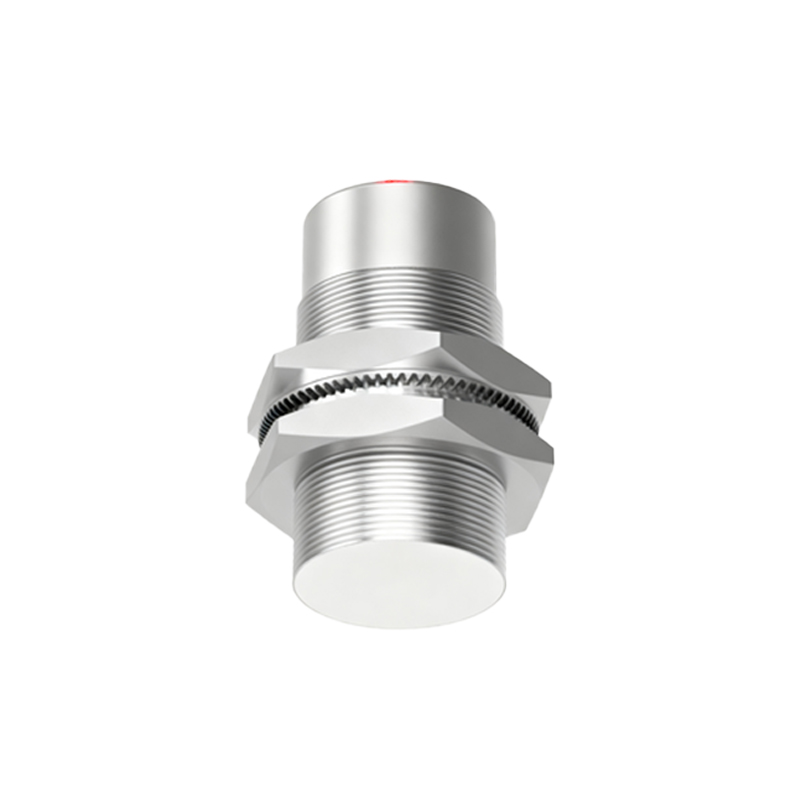
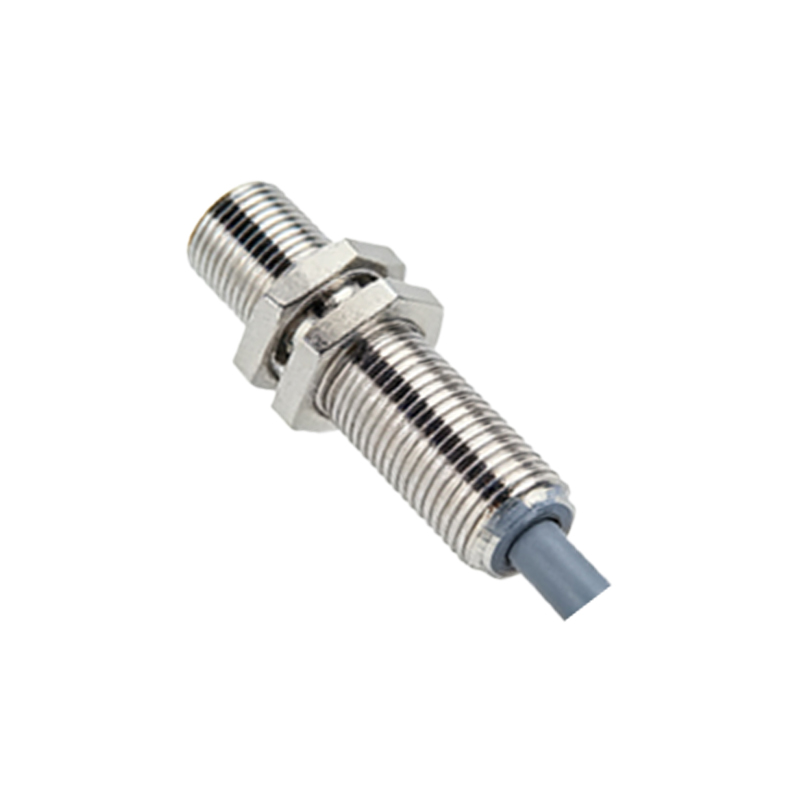
Inductive proximity sensors are the stalwarts of metal detection. They generate an electromagnetic field. When a metallic target enters this field, it induces eddy currents within the target, causing a change in the sensor's own oscillation amplitude. This change is detected and converted into a switching signal. Rugged, resistant to dirt, oil, and moisture, they are ubiquitous in machine tools, automotive assembly lines, and robotic cells for tasks like counting metal parts, verifying cylinder position, or detecting end stops.
Capacitive proximity sensors, on the other hand, can detect both metallic and non-metallic materials—plastic, wood, glass, liquids, and granules. They work by measuring changes in capacitance. The sensor forms one plate of a capacitor, the target object forms the other (or alters the dielectric constant), and the air gap is the dielectric. Any change in this system alters the capacitance, triggering the output. This makes them ideal for level detection in tanks (liquid or powder), material handling for non-metals, and presence detection of packaged goods.
For longer ranges and the need to detect virtually any material, photoelectric sensors are the solution. These operate by emitting a beam of light (visible red, infrared, or laser) and detecting its reflection or interruption. Through-beam sensors, with separate emitter and receiver units, offer the longest range and highest reliability for object detection. Retro-reflective sensors bounce light off a reflector, while diffuse reflective types detect light scattered directly from the target itself. They are essential in packaging, material handling, and safety light curtains.
Ultrasonic sensors use sound waves beyond human hearing. They emit ultrasonic pulses and measure the time it takes for the echo to return. This time-of-flight principle allows for precise distance measurement, not just presence detection. They excel in challenging environments with dust, fog, or varying colors that would confuse photoelectric sensors, commonly used in tank level monitoring, palletizing, and collision avoidance on automated guided vehicles (AGVs).
The selection of the right sensor is an engineering decision balancing multiple factors: the required sensing range, the nature of the target material, the environmental conditions (temperature, contaminants), the required output type (digital on/off, analog distance signal), and the necessary response speed. An inductive sensor is useless for detecting a plastic bottle, just as an ultrasonic sensor might be overkill for detecting a metal gear at 5mm.
The applications are as vast as industry itself. In automotive manufacturing, they ensure robots place windshields correctly. In food and beverage, capacitive sensors control liquid levels in mixers. In electronics assembly, photoelectric sensors verify component placement on circuit boards. On conveyor systems, they track, sort, and count packages. Beyond pure automation, they are critical for safety, forming the sensing layer of machine guarding systems that halt equipment when a person breaches a protected zone.
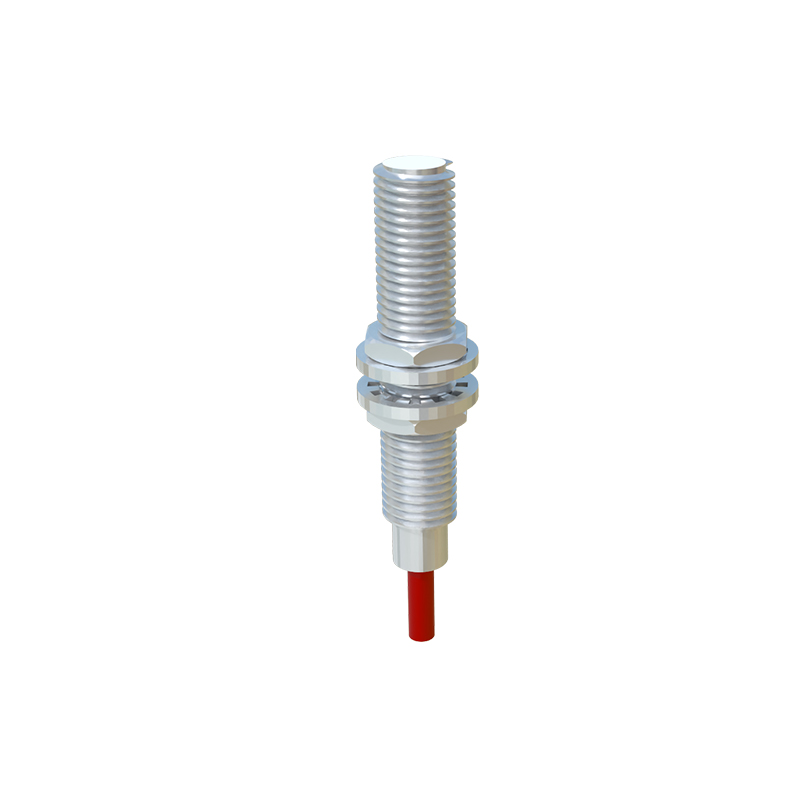
The evolution continues. Modern position proximity sensors are becoming smarter, integrating IO-Link and other industrial communication protocols. This allows for not just signal transmission but the exchange of detailed parameter data, enabling predictive maintenance—where the sensor can report its own health or warn of degrading performance—and easier configuration. Miniaturization is also a persistent trend, allowing these sensors to fit into increasingly compact devices and machines.
In conclusion, position proximity sensors are far more than simple switches. They are the foundational sensory organs of automated systems, providing the critical data on object presence and position that drives decision-making in programmable logic controllers (PLCs) and other controllers. Their non-contact, reliable operation underpins efficiency, precision, and safety. From the simplest assembly station to the most complex flexible manufacturing system, these invisible guardians work tirelessly, enabling the precise, reliable, and intelligent automation that defines modern industry.