In today's rapidly evolving industrial landscape, proximity sensors have become indispensable components, enabling automation, enhancing safety, and improving efficiency across countless applications. These non-contact devices detect the presence or absence of objects within a defined field, providing critical data to control systems. The market for these sensors is driven by a cadre of specialized proximity sensor manufacturers who continuously push the boundaries of technology, offering solutions tailored to diverse and demanding environments.
The core technology behind proximity sensors varies, with inductive, capacitive, ultrasonic, and photoelectric types being the most prevalent. Inductive sensors, for instance, are ideal for detecting metallic objects and are staples in automotive assembly lines and metalworking machinery. Leading manufacturers in this segment have refined these sensors to be exceptionally robust, withstanding extreme temperatures, vibrations, and exposure to coolants or oils. Capacitive sensors, capable of detecting both metallic and non-metallic materials like liquids, plastics, and wood, are crucial in food and beverage processing, packaging, and level detection systems. Top-tier manufacturers design these with sophisticated shielding to ignore unwanted background interference, ensuring reliable operation.
Innovation is the lifeblood of prominent proximity sensor manufacturers. A key trend is the miniaturization of sensors without compromising performance or sensing range. This allows for integration into increasingly compact machinery and consumer electronics. Furthermore, the integration of IO-Link communication is revolutionizing the industry. This smart sensor technology transforms simple proximity switches into intelligent data points on the Industrial Internet of Things (IIoT) network. Manufacturers now produce sensors that can communicate detailed diagnostic information—such as operating temperature, signal strength, and device health—enabling predictive maintenance and reducing unplanned downtime. This shift from simple detection to data provision is a significant leap forward.
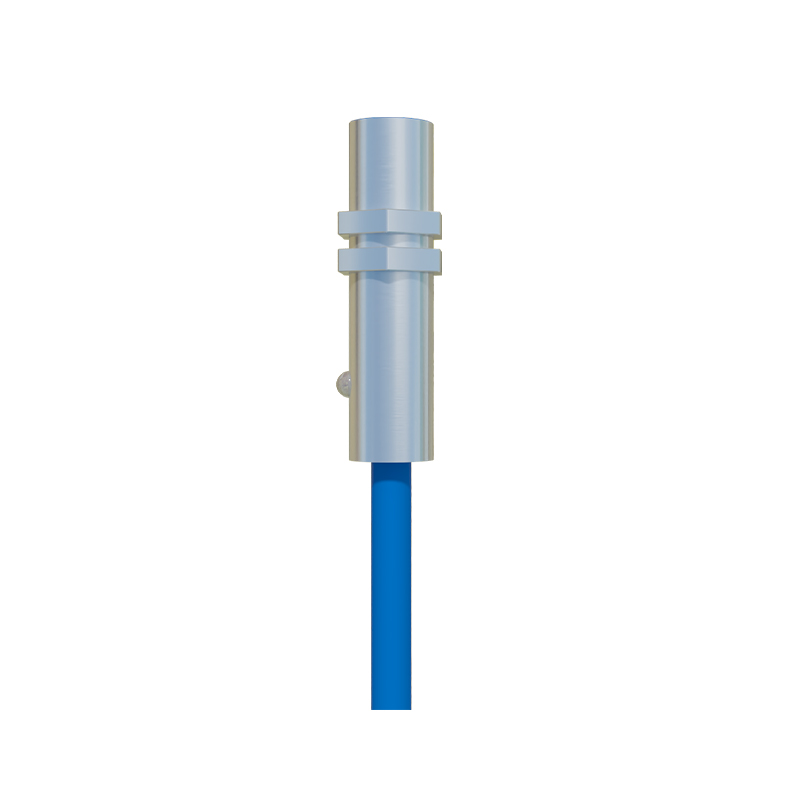
Another critical area of development is enhancing environmental durability. Reputable manufacturers subject their sensors to rigorous testing, ensuring they meet high Ingress Protection (IP) and NEMA ratings. Sensors designed for harsh duty applications are built to resist corrosion from chemicals, high-pressure washdowns in pharmaceutical plants, and the abrasive dust found in mining operations. The housing materials, from stainless steel to specialized plastics, are carefully selected for the target application, guaranteeing longevity and reliability.
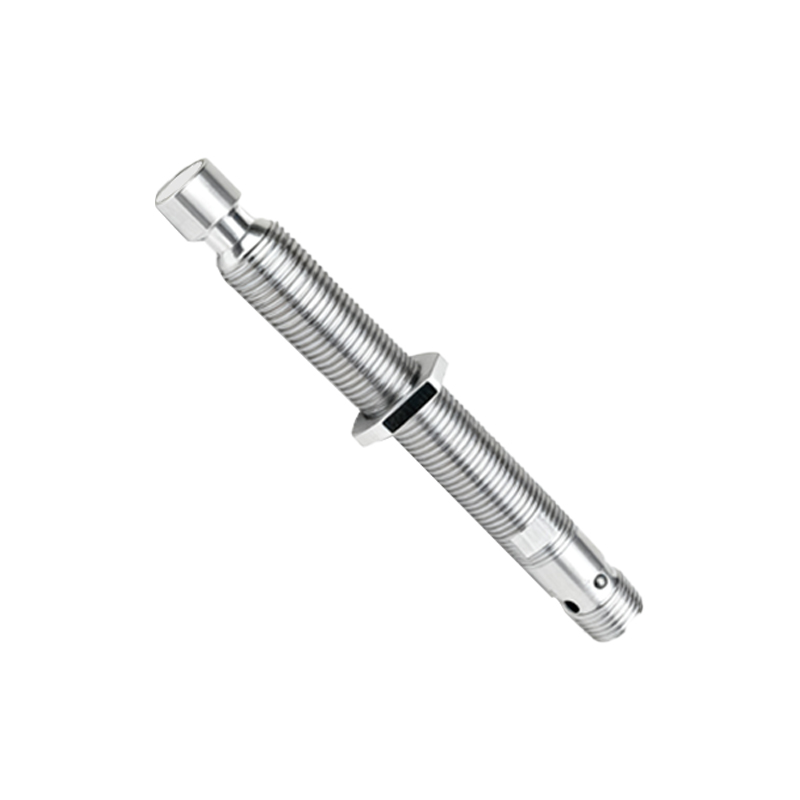
The application spectrum for proximity sensors is vast and growing. In automotive manufacturing, they are used for robotic guidance, part positioning, and safety door monitoring. In the packaging industry, they count products, control filling levels, and verify label placement. Within the realm of smart infrastructure, they enable touchless faucets, automatic doors, and occupancy sensing for energy management. As automation penetrates new sectors like agriculture and logistics, the demand for specialized proximity sensing solutions continues to expand. Manufacturers respond by offering custom-designed sensors with unique form factors, sensing ranges, and output configurations to solve specific engineering challenges.
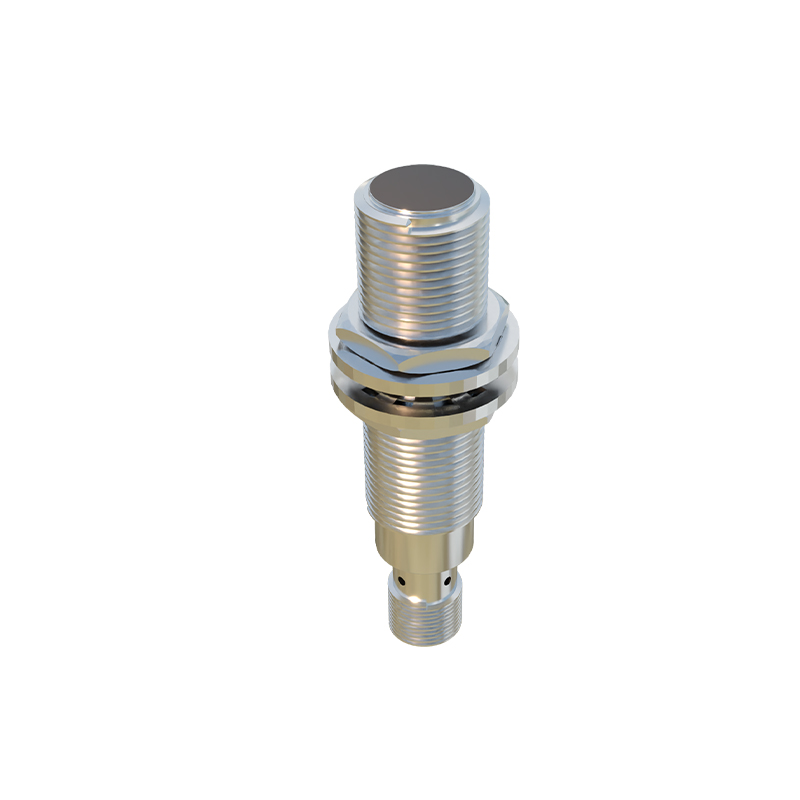
Selecting the right proximity sensor manufacturer is a strategic decision for OEMs and system integrators. Factors beyond basic specifications come into play, including global technical support, comprehensive documentation, product consistency, and supply chain reliability. The leading players distinguish themselves through deep application engineering expertise, helping clients choose the optimal sensor for their unique environment and electrical interface requirements. They also provide extensive product portfolios, allowing customers to standardize on a single brand for multiple sensing needs, simplifying procurement and maintenance.
The future trajectory for proximity sensor manufacturers is tightly linked to the growth of Industry 4.0 and smart automation. The demand for sensors with higher precision, faster response times, and seamless connectivity will only intensify. Manufacturers are already investing in next-generation technologies, including sensors with embedded artificial intelligence for pattern recognition and advanced multi-parameter sensing capabilities. As machines become more collaborative and autonomous, the humble proximity sensor will continue to be a fundamental enabler, and the manufacturers at the forefront of innovation will shape the capabilities of tomorrow's automated systems.