In the realm of industrial automation, consumer electronics, and smart systems, the ability to detect the presence or absence of an object without physical contact is fundamental. Optical proximity sensors, a core technology in this domain, offer a reliable and efficient solution. Among the leading innovators in this field, Lite-On Technology stands out, providing a comprehensive range of high-performance optical proximity sensors that drive efficiency and safety across diverse applications.
Optical proximity sensors operate on a simple yet powerful principle. They consist primarily of a light emitter, typically an infrared LED, and a photodetector. The emitter projects a beam of light. When an object enters the sensing range, it reflects part of this light back to the photodetector. The sensor's internal circuitry then processes this signal to confirm the object's presence. Some variants use a through-beam configuration where the emitter and detector are separate units, detecting an object when it breaks the light beam. The key advantage is non-contact detection, eliminating mechanical wear and tear and allowing for high-speed operation.
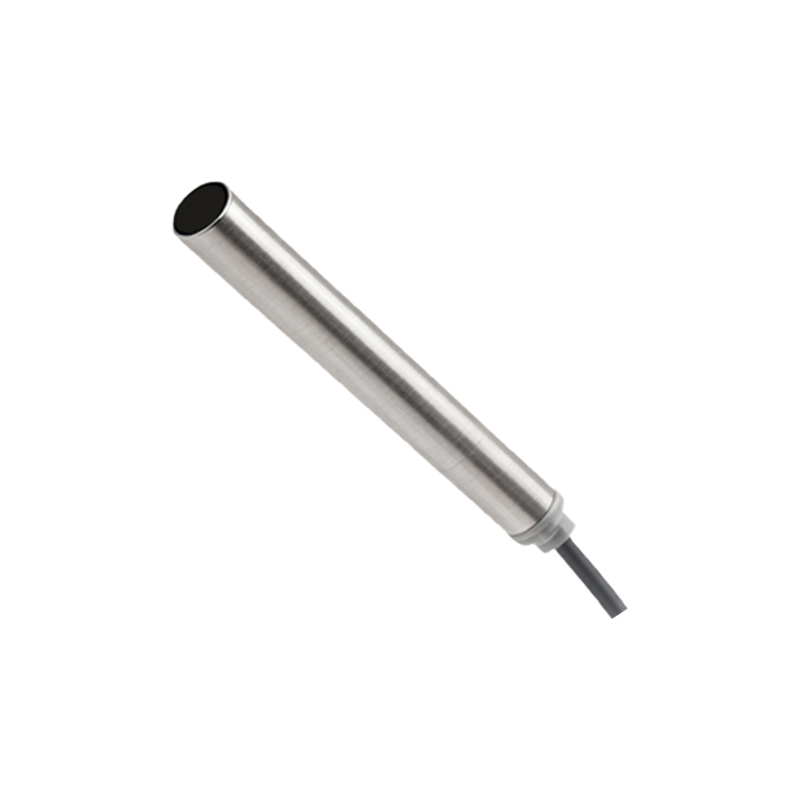
Lite-On has leveraged its extensive expertise in optoelectronics to develop proximity sensors that excel in performance and reliability. Their product portfolio addresses a wide spectrum of needs. For instance, their miniature sensors are integral to modern smartphones and tablets, enabling features like automatic screen dimming during calls to save power and prevent accidental touch inputs. In these consumer devices, the sensor must be incredibly small, power-efficient, and capable of functioning accurately under various ambient light conditions—a challenge Lite-On's designs successfully meet.
Beyond consumer tech, the industrial applications are vast and critical. On automated assembly lines, Lite-On sensors provide precise object counting, positioning, and jam detection. Their robust construction ensures consistent performance in environments with dust, vibration, or variable temperatures. For example, in packaging machinery, a sensor can verify that a product is correctly positioned before sealing, preventing waste and downtime. The fast response time of these optical sensors is crucial for maintaining high throughput in manufacturing processes.
Safety is another paramount area. Optical proximity sensors form the backbone of many safety light curtains and guarding systems on factory floors. These systems create an invisible protective screen around hazardous machinery. If a worker's hand or body breaks the light beam, the sensor sends an immediate signal to shut down the equipment, preventing serious injuries. Lite-On's components in such systems are valued for their high immunity to optical interference and long operational lifespan, ensuring dependable protection.
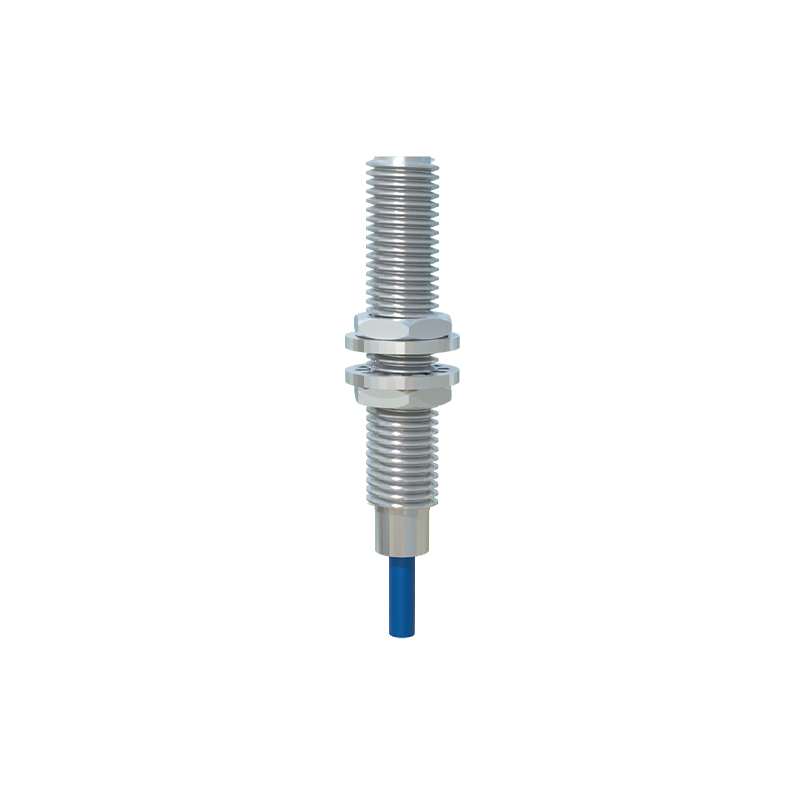
The integration of these sensors into the Internet of Things (IoT) and smart building systems further expands their utility. Lite-On's sensors can contribute to energy management by detecting occupancy in rooms to control lighting and HVAC systems automatically. In automotive applications, they are used in systems for automatic trunk opening or in-cabin monitoring. The ongoing trend towards miniaturization and enhanced sensing algorithms allows Lite-On to offer sensors with better resolution, longer ranges, and lower power consumption.
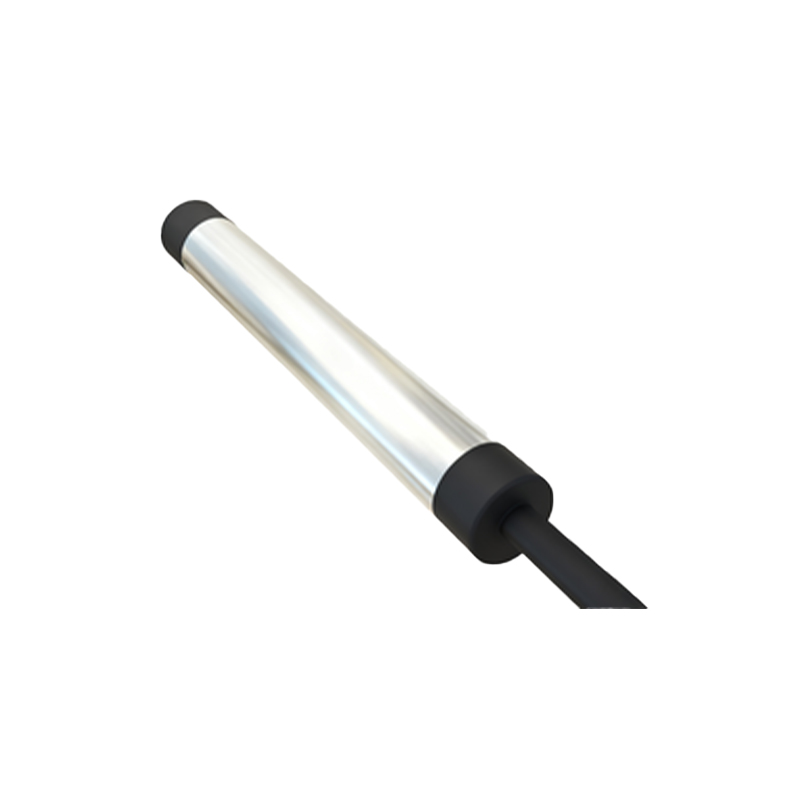
Selecting the right optical proximity sensor involves considering several factors: sensing distance, the material and color of the target object, environmental conditions (like dust or fog), required response speed, and output type (digital or analog). Lite-On provides detailed technical specifications and application support to help engineers and designers make the optimal choice for their specific project, whether it's a delicate medical device or a rugged agricultural vehicle.
In conclusion, optical proximity sensors are indispensable components in the modern technological landscape. Lite-On Technology, through continuous research and development, delivers sensors that combine precision, durability, and versatility. From making our handheld devices smarter to safeguarding industrial workers and optimizing automated processes, Lite-On's optical proximity sensors are quietly but powerfully enabling a more efficient, safe, and connected world. Their role as a fundamental enabling technology will only grow as automation and smart sensing become ever more pervasive.