In the world of industrial automation, robotics, and smart devices, the humble proximity sensor is a silent workhorse. Its primary function is simple: to detect the presence or absence of an object without physical contact. Yet, the question of which proximity sensor is best is far from simple. The answer is not a single brand name, but a process of matching the right technology and specifications to your specific needs. The "best" sensor is the one that solves your problem most reliably and cost-effectively.
First, understand the core technologies. The most common types are Inductive, Capacitive, Ultrasonic, and Photoelectric sensors. Inductive sensors are the go-to choice for detecting metals. They generate an electromagnetic field and react when a metallic object enters it. They are robust, precise for short ranges, and largely immune to environmental factors like dust or oil. For non-metallic materials—liquids, powders, wood, or plastic—a capacitive sensor is required. It detects changes in capacitance caused by any material that alters an electrostatic field. If you need to detect objects at greater distances or measure precise distances, ultrasonic sensors use sound waves and are excellent for challenging environments with smoke or steam. Photoelectric sensors, using a light beam (often infrared), offer the longest sensing ranges and can detect virtually any object, but their performance can be affected by target color, transparency, and ambient light.
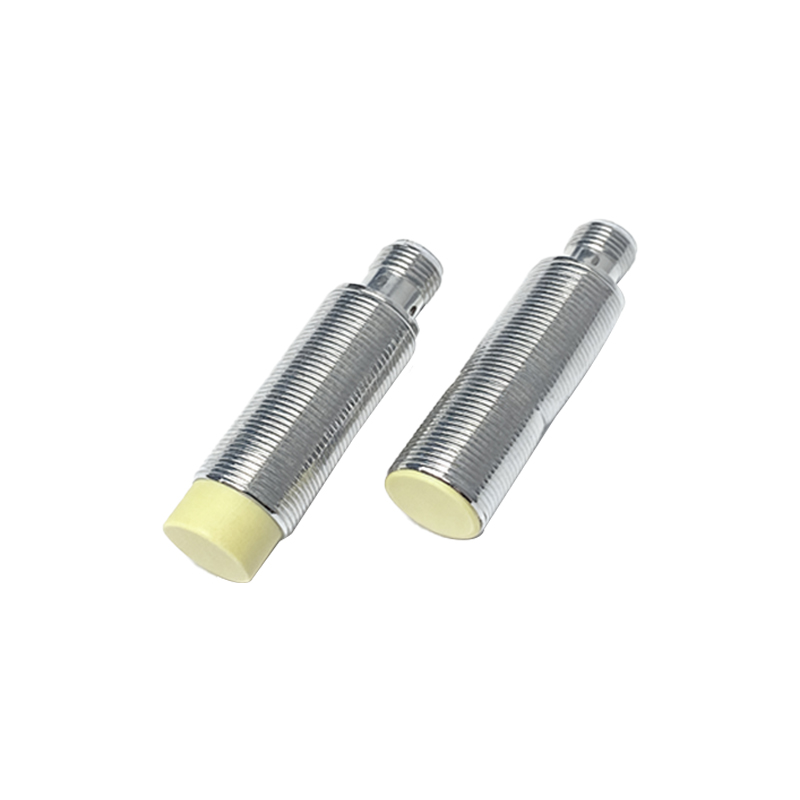
Once you've narrowed down the technology, dive into the critical specifications. The sensing range is paramount. Never operate a sensor at its absolute maximum rated distance; for reliable operation, use 60-70% of its nominal range. Consider the target material and size; a small plastic part requires a different sensor than a large metal plate. The housing material is crucial for the environment. Will it face washdowns, corrosive chemicals, extreme temperatures, or heavy vibration? Stainless steel or ruggedized PBT housings with high IP (Ingress Protection) ratings like IP67 or IP69K are essential for harsh conditions.
Output type is another key decision. Do you need a simple digital on/off signal (PNP or NPN), an analog output (4-20mA or 0-10V) for proportional measurement, or a sophisticated IO-Link digital communication for advanced diagnostics and parameter setting? The mounting style—flush, non-flush, or threaded barrel—also affects the sensing field and installation ease.
Now, regarding manufacturers, the market is led by established global players known for reliability, extensive product portfolios, and strong technical support. Companies like Sick, Pepperl+Fuchs, Omron, Balluff, and ifm electronic are consistently at the forefront. They offer comprehensive catalogs, detailed datasheets, configuration software, and global application engineering support. For more cost-sensitive applications or standard uses, brands like Autonics, Panasonic, or Carlo Gavazzi provide excellent value. The rise of e-commerce has also made sensors from brands like Telemecanique Sensors widely accessible.
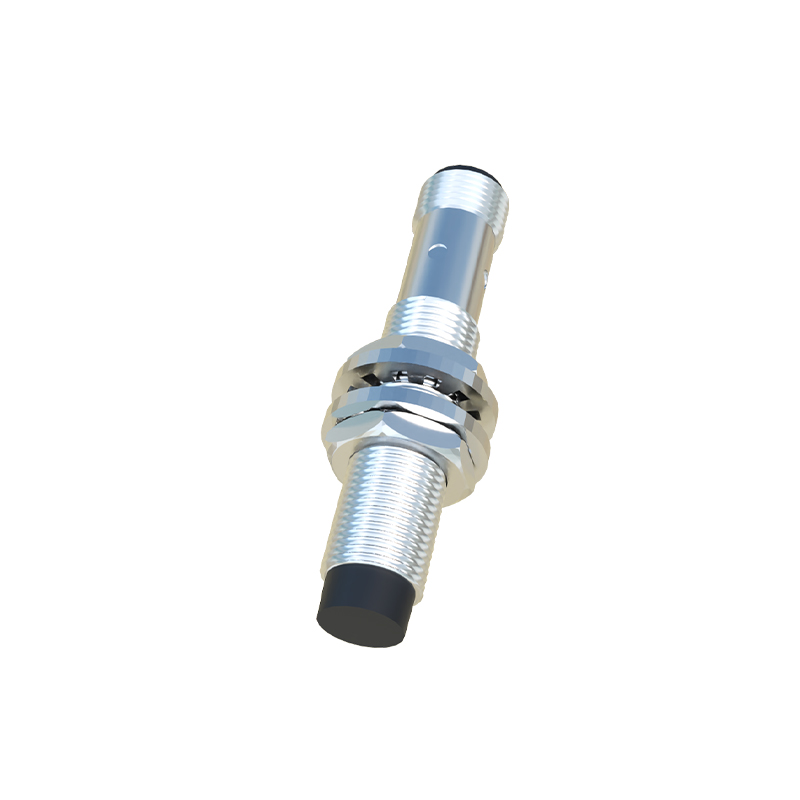
However, the brand is less important than the correct product selection. A premium sensor from a top brand will fail if it's the wrong type for the material. Conversely, a well-chosen standard sensor from a value brand can perform flawlessly for years. Always consult the manufacturer's technical data. Reputable suppliers provide clear, honest specifications and offer sample testing.
To make the best choice, follow this practical approach:
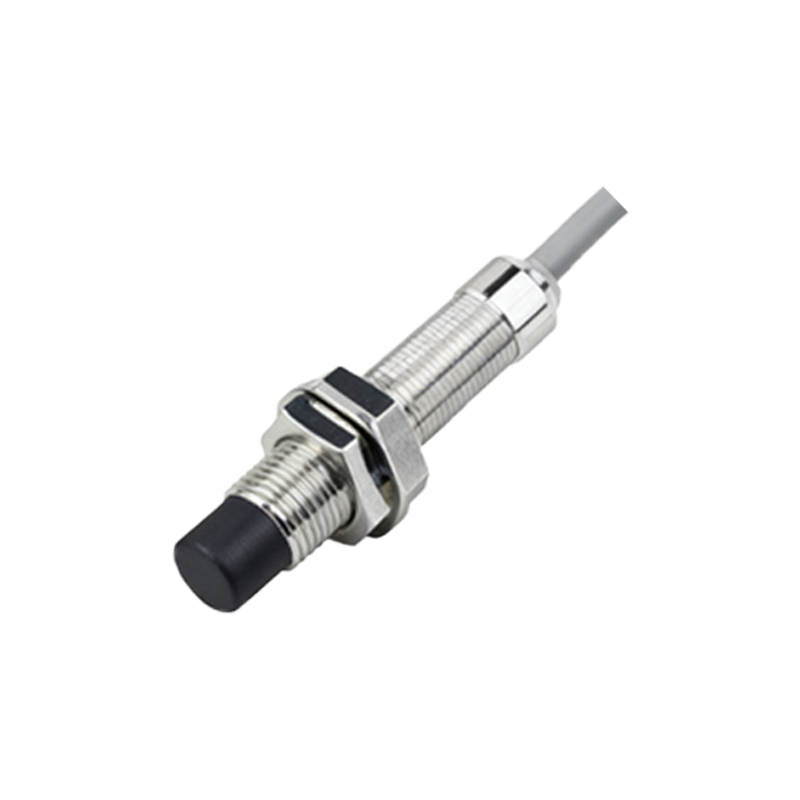
1. Define the Object: What are you detecting? Material, size, shape.
2. Define the Environment: Temperature, contaminants, humidity, electrical noise.
3. Define the Requirement: Required range, output needed, response speed, power supply.
4. Research and Shortlist: Use manufacturer selection tools or distributor websites to filter sensors by your parameters.
5. Test if Possible: Before finalizing a large order, obtain a sample to test in the actual application.
In conclusion, asking "which proximity sensor brand is best" is the wrong starting point. The correct question is: "What are my application's specific requirements?" By systematically analyzing the target, environment, and needed output, you can select the optimal sensor technology. Then, choose a reputable manufacturer that offers a reliable product fitting those specs with the necessary documentation and support. This engineering-focused approach, not brand loyalty alone, will lead you to the true "best" proximity sensor for your project, ensuring long-term performance, reduced downtime, and overall system efficiency.