In the realm of industrial automation and machinery monitoring, the turbine proximity sensor stands as a critical component for ensuring operational safety, precision, and efficiency. These non-contact sensors detect the presence, absence, or position of metallic objects—typically turbine blades or gear teeth—by generating an electromagnetic field. While standard, off-the-shelf sensors serve many purposes, the true potential for maximizing equipment performance and longevity is often unlocked through customization. Tailoring turbine proximity sensors to specific operational environments and challenges is not merely an option but a strategic necessity for industries ranging from power generation and aerospace to heavy manufacturing and oil & gas.
The drive for customization stems from the unique and often harsh conditions in which these sensors must operate. A standard sensor might falter where a custom-designed unit thrives. Key parameters that frequently necessitate a bespoke approach include extreme temperature ranges. Turbines in a jet engine or a gas-fired power plant experience thermal profiles vastly different from those in a marine propulsion system. Customization allows for the selection of housing materials, such as specialized stainless steels or Inconel, and internal components rated for continuous operation at temperatures from cryogenic levels up to 250°C or higher. Similarly, environmental factors like pressure, humidity, and exposure to corrosive chemicals or seawater demand specific ingress protection (IP) ratings, specialized coatings, and hermetically sealed designs that standard units may not provide.
Another pivotal aspect is the precise sensing requirement. The gap between the sensor tip and the target (the turbine blade), known as the sensing distance, is crucial. Customization can adjust this range to millimeter precision, ensuring reliable detection even with minimal clearance or significant axial movement of the rotor. Furthermore, the electrical output signal must seamlessly integrate with the existing control architecture. Whether a facility requires a traditional analog 4-20 mA output, a switching NPN/PNP signal, or a digital IO-Link interface for advanced diagnostics and parameterization, sensors can be engineered accordingly. The physical form factor itself is often custom-designed. Mounting constraints in a cramped engine nacelle or a legacy turbine housing may require a specific thread size, housing shape, or cable exit angle that deviates from standard catalog offerings.
The process of developing a custom turbine proximity sensor is inherently collaborative. It begins with a deep dive into the application's operational parameters: target material, required accuracy, response frequency, available space, and environmental stressors. Prototyping and rigorous testing follow, often involving thermal cycling, vibration testing per MIL-STD or other standards, and long-term reliability runs. This phase ensures the sensor not only fits mechanically but delivers consistent, drift-free performance over its intended lifespan. For instance, a sensor designed for monitoring blade tip clearance in an aero-derivative turbine will undergo vastly different validation tests than one monitoring gearbox teeth on a wind turbine.
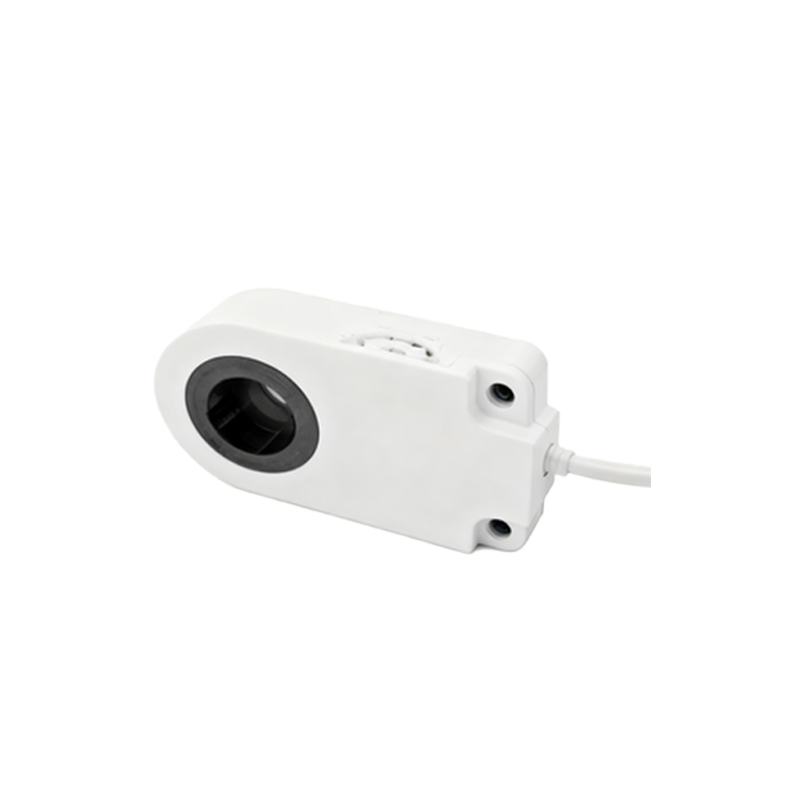
The benefits of investing in such tailored solutions are substantial. Enhanced reliability directly reduces unplanned downtime, a critical cost factor in continuous process industries. Improved measurement accuracy leads to better control of turbine dynamics, optimizing fuel efficiency and preventing dangerous conditions like blade rubbing. A sensor designed for the exact environment also exhibits greater longevity, lowering the total cost of ownership despite a potentially higher initial unit cost. Moreover, customization can future-proof systems, allowing for the integration of smart features like pre-failure diagnostics, which predict maintenance needs before a catastrophic breakdown occurs.
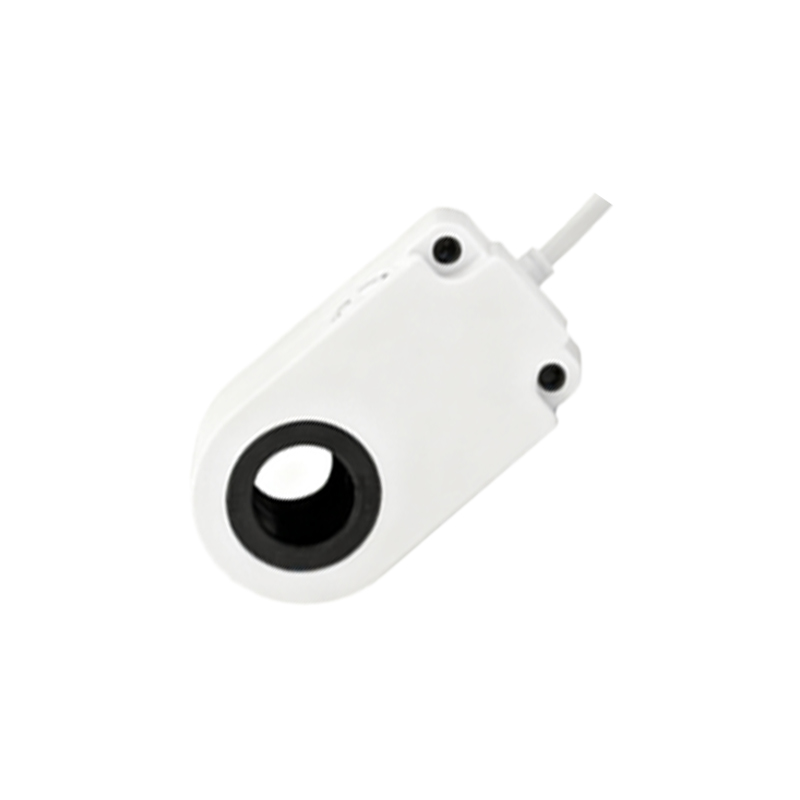
Ultimately, the choice to customize turbine proximity sensors is an investment in precision, resilience, and operational excellence. It moves beyond simply detecting a rotating blade to providing a robust, intelligent data point that is integral to the health and performance of high-value rotating assets. As industrial systems grow more complex and the demand for efficiency and uptime intensifies, the role of the application-engineered sensor becomes ever more central. Partnering with a sensor manufacturer possessing deep engineering expertise and a flexible production approach is the first step in transforming a generic component into a cornerstone of optimized machinery operation.