Proximity sensors are ubiquitous in modern electronics, silently enabling features like automatic screen dimming during calls or touchless interfaces. This teardown analysis delves into the internal components and working principles of a typical infrared (IR) proximity sensor module, commonly found in smartphones and IoT devices.
The subject of this disassembly is a standard digital proximity sensor module, measuring approximately 3.5mm x 2mm. The first step involves carefully removing the black epoxy resin coating that encapsulates the silicon die. This protective layer shields the delicate components from moisture, dust, and physical damage. Underneath, a miniature printed circuit board (PCB) is revealed.
At the heart of the module sits the integrated circuit (IC) or sensor die. This silicon chip is the brain of the operation. Through a microscope, one can observe two key photodiodes placed in close proximity: one is the dedicated IR receiver, and the other often serves as an ambient light sensor. Adjacent to these is a tiny, barely visible infrared light-emitting diode (IR LED). The IC integrates the control logic, a driver for the IR LED, and signal processing circuitry. The entire assembly is a marvel of miniaturization, with wire bonds finer than a human hair connecting the die pads to the PCB's contact points.
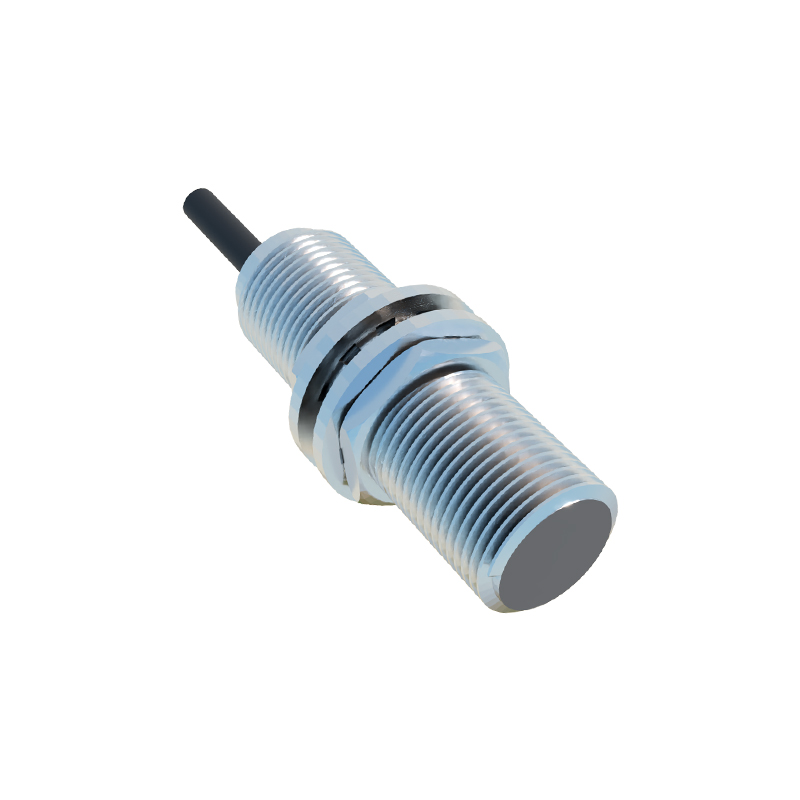
The fundamental operating principle is based on the reflection of infrared light. When activated, the sensor's IR LED emits a beam of invisible infrared light. If an object is within a defined range—typically up to a few centimeters—this light reflects off the object and returns to the IR receiver photodiode. The sensor IC measures the intensity of the reflected light. A stronger reflected signal indicates a closer object. The onboard circuitry processes this analog signal, filters out ambient IR noise (often using the data from the ambient light sensor), and converts it into a simple digital output: a logic HIGH or LOW signal indicating the presence or absence of a nearby object.
Several critical factors influence sensor performance, as evidenced by the component layout. The physical separation between the IR LED and the receiver photodiode is crucial. If they are too close, light can leak directly from the LED to the receiver, causing false triggers. A small barrier or careful optical design within the package mitigates this "crosstalk." The quality of the IR filter coating over the receiver is another vital element. This filter is designed to block visible light and allow only the specific wavelength emitted by the paired IR LED to pass through, dramatically improving signal-to-noise ratio and accuracy.
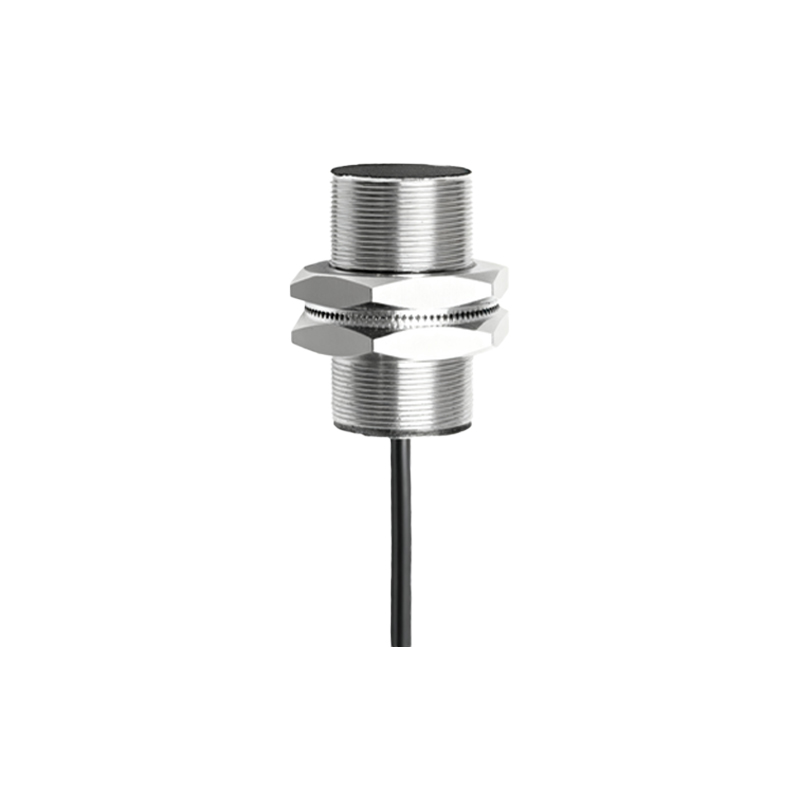
During the teardown, the role of the epoxy dome becomes clear. It is not merely a sealant; its shape is often engineered to act as a primitive lens, helping to collimate the IR LED's output and define the sensor's field of view. This shaping ensures the emitted light projects in a more focused beam and that the receiver has a directed acceptance angle.
Common failure points observed in such sensors include degradation of the IR LED output over thousands of hours of operation, delamination of the epoxy coating exposing the die to humidity, or damage to the ultra-fine wire bonds from mechanical stress or thermal cycling. Contamination on the filter surface, from dust or fingerprints, can also scatter light and severely degrade sensing range and reliability.
In conclusion, the deconstruction of a proximity sensor reveals a sophisticated yet elegantly simple system. It combines optoelectronics, analog signal processing, and digital logic into a package smaller than a grain of rice. Understanding its internal construction—from the paired IR LED and photodiode to the specialized filter and protective epoxy—provides deep insight into the engineering considerations necessary for reliable, low-power presence detection. This knowledge is essential for hardware designers, repair technicians, and electronics enthusiasts aiming to debug issues, integrate these sensors into custom projects, or simply appreciate the hidden complexity within everyday devices.