In the world of industrial automation and machinery, precision and reliability are paramount. Among the many components that ensure seamless operation, proximity sensors play a critical role. A specific and highly effective variant is the copper nut proximity sensor. This guide delves into the workings, advantages, and diverse applications of these sensors, providing a clear understanding of their importance in modern engineering.
Copper nut proximity sensors are non-contact sensing devices designed to detect the presence or absence of metallic objects, specifically using a copper nut as a target or as part of the sensor assembly. Unlike standard inductive proximity sensors, which often use ferrous metal cores, the incorporation of copper enhances certain performance characteristics. The fundamental principle relies on electromagnetic induction. The sensor generates an oscillating electromagnetic field from its coil. When a conductive metal object, such as a copper nut, enters this field, eddy currents are induced on the surface of the object. These eddy currents cause a change in the oscillation amplitude or frequency within the sensor's circuit. The sensor's internal electronics detect this change and trigger a solid-state output signal, typically switching a load on or off.
The choice of copper is significant. Copper offers excellent electrical conductivity and corrosion resistance. In sensor construction, a copper nut can serve as a robust, durable target. Its high conductivity allows for sensitive detection, sometimes at slightly extended ranges compared to some other non-ferrous metals. Furthermore, copper's resistance to oxidation ensures long-term stability and reliability in various environmental conditions, reducing maintenance needs.
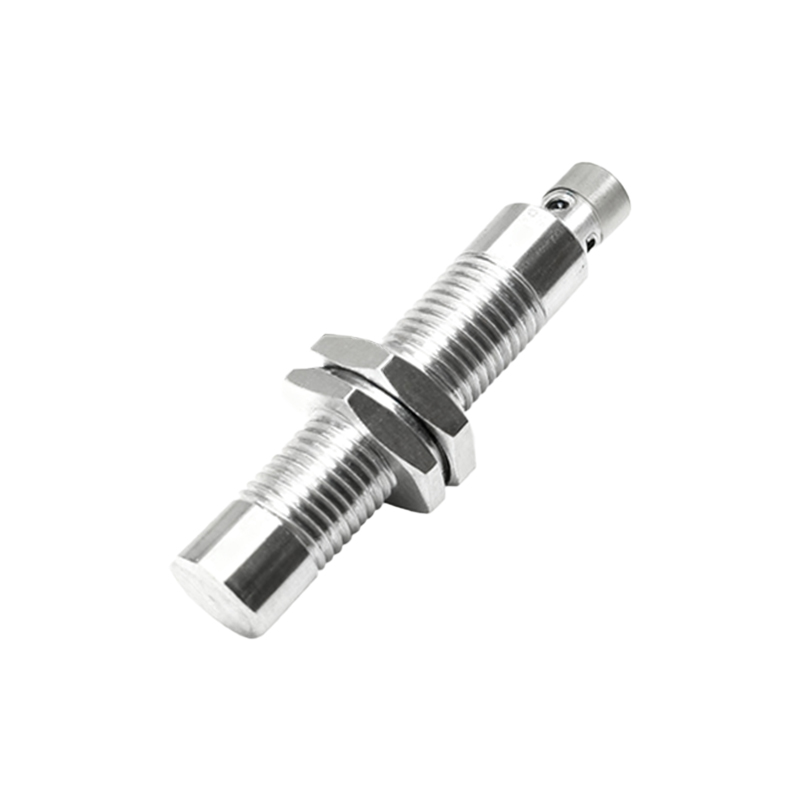
Key advantages of copper nut proximity sensors are numerous. Their non-contact nature means there is no physical wear from repeated detection, leading to an exceptionally long operational lifespan. They are immune to contaminants like dust, oil, and moisture, making them ideal for harsh industrial environments such as manufacturing floors, automotive assembly lines, and food processing plants. The response time is extremely fast, often in microseconds, which is crucial for high-speed automation processes where timing is critical. They also offer high switching accuracy and repeatability, ensuring consistent performance in precision applications.
Applications for these sensors are widespread across industries. In automated machinery, they are used for precise positioning control, such as verifying the presence of a copper nut on a fastener assembly line or confirming the correct placement of components. They serve as end-position detectors in linear actuators or cylinders, ensuring moving parts do not exceed their travel limits. Within conveyor systems, they count metallic parts or control sorting gates. In the automotive sector, they monitor robotic welding arms or check for the presence of nuts and bolts in engine assemblies. Their reliability also makes them suitable for safety interlocks on machine guards, preventing operation if a protective door is not securely closed.
When selecting a copper nut proximity sensor, several factors must be considered. The sensing range, which is typically short (a few millimeters), should match the application's requirements. The sensor's housing material, such as stainless steel or PBT plastic, must withstand the operating environment. Output type (PNP/NPN, NO/NC) must be compatible with the control system, usually a PLC. Environmental ratings like IP67 for dust and water ingress protection are often essential. Proper installation is also critical; ensuring the correct alignment and distance from the target copper nut guarantees optimal performance and avoids false triggers from surrounding metal.
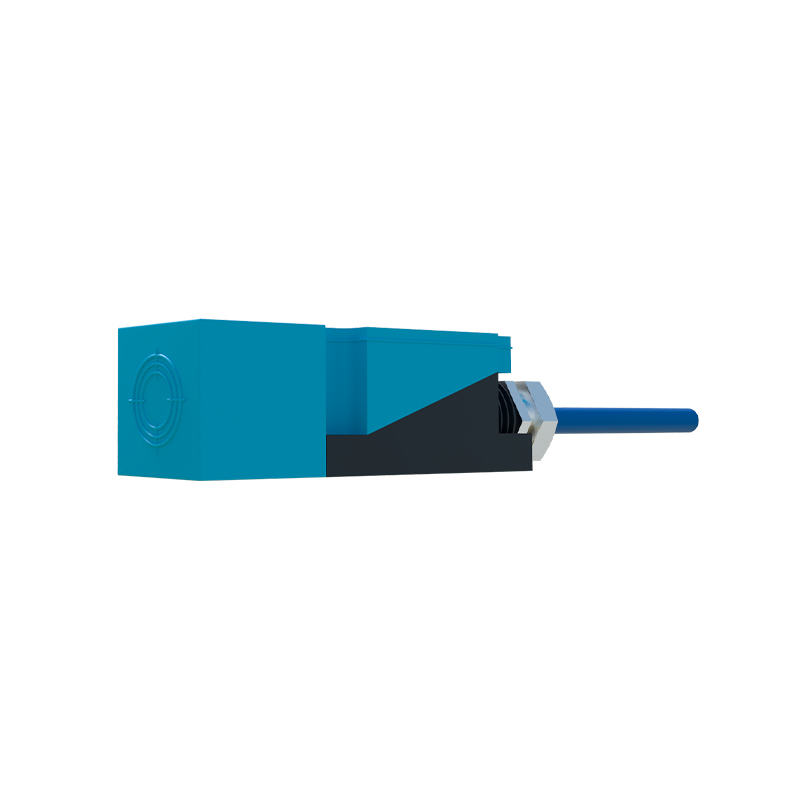
In summary, copper nut proximity sensors are vital components that enhance efficiency, safety, and reliability in automated systems. Their design leveraging copper's properties provides a dependable solution for metallic object detection. Understanding their operation and proper implementation allows engineers and technicians to harness their full potential, contributing to smarter, more resilient industrial operations. As technology advances, the integration of such sensors with IoT systems for predictive maintenance and data analytics will further solidify their role in the future of industry.