Proximity sensors have become indispensable components across modern industrial automation, consumer electronics, and automotive systems. As technology advances, the market sees continuous innovation in sensing ranges, form factors, and integration capabilities, directly influencing pricing structures. This guide provides an up-to-date overview of current pricing trends for various proximity sensor types, helping engineers, procurement specialists, and hobbyists make informed purchasing decisions.
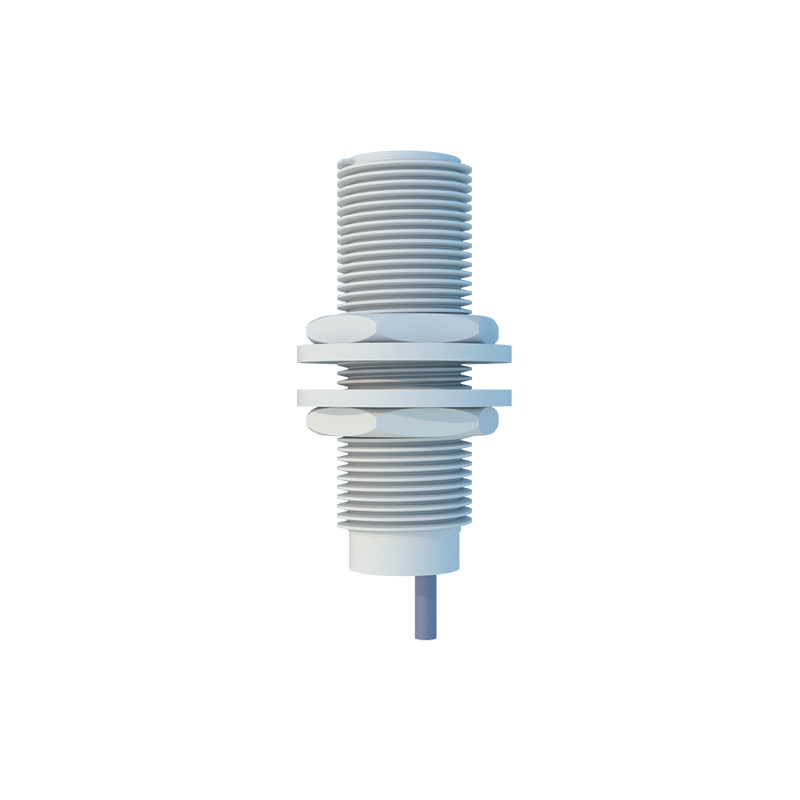
Inductive proximity sensors, commonly used for metal detection in machinery, typically range from $15 to $120 per unit. Basic tubular models with sensing distances up to 15mm start around $15-$30, while specialized variants with extended range (up to 60mm) or high-temperature resistance can cost $60-$120. Brand reputation significantly impacts pricing—established manufacturers like Omron, Schneider Electric, and Sick often command 20-30% premiums over generic alternatives due to reliability certifications and extended warranties.
Capacitive sensors, capable of detecting both metallic and non-metallic materials, generally fall within the $20-$150 bracket. Standard models for liquid level or material presence detection average $25-$50. Advanced versions featuring adjustable sensitivity, embedded diagnostics, or hygienic designs for food/pharmaceutical applications may reach $80-$150. Recent supply chain improvements have stabilized prices after pandemic-era fluctuations, with some categories seeing 5-8% year-over-year decreases.
Ultrasonic proximity sensors represent a higher price tier, averaging $50-$400 depending on range and functionality. Basic 2-meter range sensors for object detection start at $50-$80, while industrial-grade models with 10-meter ranges, analog outputs, and self-cleaning functions can exceed $300. The adoption of IO-Link communication in newer models adds approximately 15-20% to base prices but enables predictive maintenance features that reduce long-term operational costs.
Photoelectric sensors show the widest price variance ($10-$500) due to diverse technologies (through-beam, retro-reflective, diffuse). Entry-level diffuse sensors for simple presence detection are available under $20, whereas precision fiber-optic models with sub-millimeter resolution or explosion-proof housings surpass $200. Market analysis indicates growing demand for miniaturized M8/M12 form factors, with prices 10-15% higher than standard housings due to compact engineering requirements.
Several factors critically influence proximity sensor pricing beyond basic type. Environmental ratings (IP67/IP69K) add 20-35% to base costs. Output configurations (PNP/NPN/analog) cause $5-$15 variations, while cable vs. connector versions differ by $8-$25. Bulk purchasing remains the most effective cost-saving strategy—quantities over 100 units often secure 15-30% discounts, with some distributors offering calibration services at no extra charge for large orders.
The global market shows regional pricing variations. North American and European prices tend to be 10-18% higher than Asian markets due to certification and logistics costs, though direct sourcing from manufacturers with global distribution networks can minimize these differences. Online marketplaces like Digi-Key, Mouser, and AutomationDirect offer real-time price comparisons, with seasonal promotions frequently providing 10-20% savings during industry trade show periods.
Emerging trends include the integration of IIoT capabilities, with smart sensors featuring embedded connectivity (Ethernet/IP, PROFINET) carrying 25-40% premiums over standard models. However, industry experts project these premiums will decrease to 10-15% within two years as production scales. Energy-efficient designs compliant with international standards (IEC 60947-5-2) also command 5-10% price increases but demonstrate faster ROI through reduced power consumption.
For accurate budgeting, always request quotations specifying required sensing distance, target material, response time, and environmental conditions. Many suppliers provide online configurators that generate instant quotes with volume discounts. Consider total cost of ownership including installation accessories, mounting hardware, and maintenance—sometimes a higher initial investment in robust sensors reduces long-term replacement expenses by 50% or more.
Regularly monitoring industry publications and manufacturer announcements helps anticipate price changes. The current market favors buyers with increased competition among sensor producers, particularly in the mid-range segment ($30-$80). Technological standardization and improved manufacturing processes continue to drive gradual price reductions while enhancing performance—a trend expected to accelerate through 2025 as new production facilities become operational worldwide.