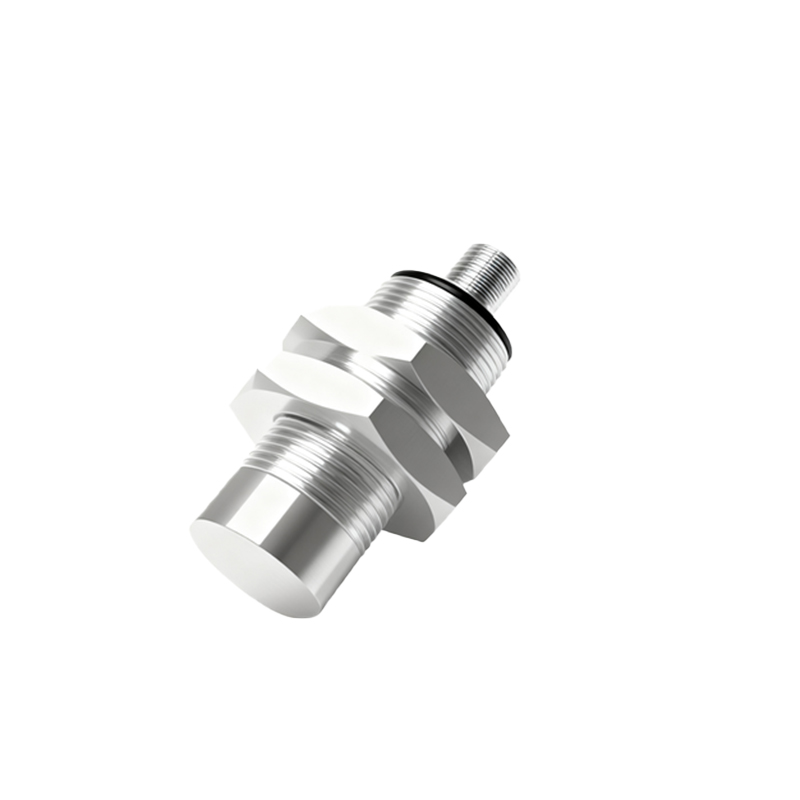
In the world of industrial automation and machinery, the ability to detect the presence or absence of an object without physical contact is a fundamental requirement. Among the various technologies that enable this, inductive proximity sensors stand out for their robustness, reliability, and precision in metallic environments. These non-contact devices are ubiquitous on factory floors, silently ensuring processes run smoothly, from assembly lines to robotic arms.
At its core, an inductive proximity sensor operates on the principle of electromagnetic induction. The key component is a coil wound around a ferrite core, which forms part of an oscillator circuit. When an alternating current is passed through this coil, it generates a high-frequency oscillating electromagnetic field at the active face of the sensor. In the absence of a target, this oscillation maintains a constant amplitude. The magic happens when a conductive metal object enters this field. The electromagnetic field induces small circulating currents, known as eddy currents, on the surface of the target. These eddy currents draw energy from the sensor's oscillating field, causing a reduction in the amplitude of the oscillation. The sensor's internal circuitry detects this amplitude drop and triggers a solid-state switch, changing its output state. This entire process occurs with remarkable speed and without any wear, as there is no mechanical contact.
The performance of an inductive sensor is characterized by several key parameters. The nominal sensing distance, or 'Sn', is a crucial specification defined under standardized conditions with a standard target. It's important to note that this distance can vary based on the target material. Factors like target size, shape, and the specific metal alloy significantly influence the effective sensing range. For instance, steel typically provides the full rated sensing distance, while metals like aluminum, brass, or copper may reduce it due to their different electrical conductivity and permeability. Another critical feature is the hysteresis. This is a built-in differential between the switch-on point (when the target approaches) and the switch-off point (when it moves away). Hysteresis prevents output chattering or rapid on/off cycling if the target stops right at the sensing edge, ensuring stable and reliable switching.
The advantages of choosing inductive proximity sensors are numerous. Their solid-state, encapsulated design makes them exceptionally resistant to environmental challenges. They are immune to contaminants like dust, oil, coolant, and dirt that would foul mechanical limit switches. With no moving parts to wear out, they offer an exceptionally long operational life, contributing to lower maintenance costs and higher system uptime. They can operate at very high switching frequencies, capable of detecting thousands of objects per minute, which is essential for high-speed production. Furthermore, they are available in a vast array of form factors, from miniature cylindrical barrels for tight spaces to rectangular or ring-shaped designs for specific applications like part counting on a conveyor.
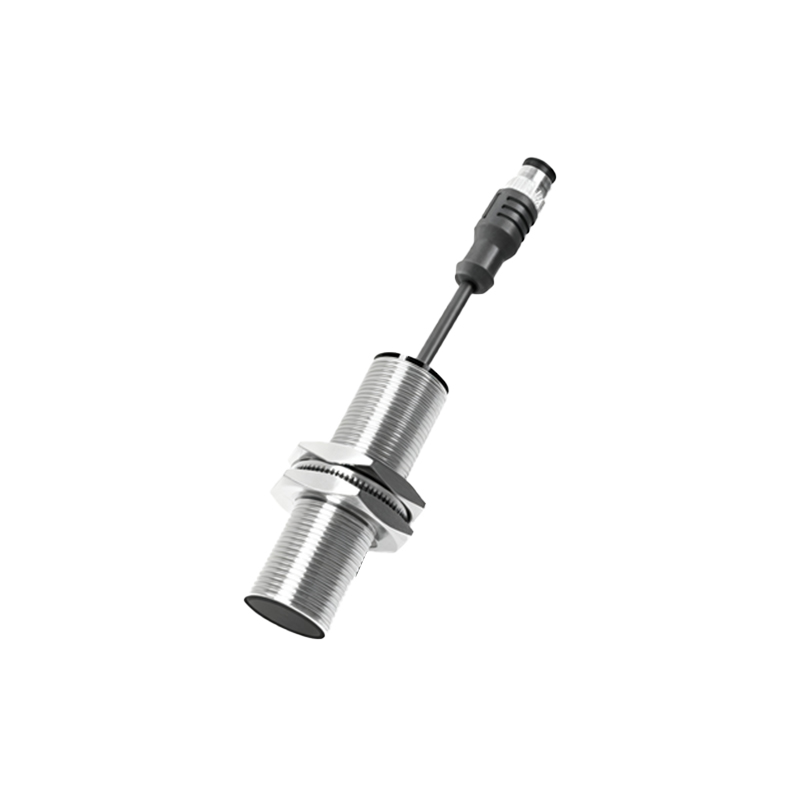
The applications for inductive sensors are incredibly diverse. A common use is part presence detection on conveyors or in machining centers, verifying a component is in the correct position before a process begins. They are essential for end-of-travel detection on linear actuators and cylinders, providing precise positional feedback. In metal fabrication, they are used for counting metal parts, monitoring rotational speed by detecting gear teeth or bolt heads, and ensuring proper alignment. Their robustness also makes them ideal for harsh environments in foundries, welding cells, and heavy machinery.
Selecting the right inductive sensor requires careful consideration of the application's needs. First, identify the target material and determine the required sensing distance, factoring in any reduction factors for non-ferrous metals. The physical size and mounting style (flush or non-flush) are dictated by the available space; non-flush mount sensors offer a longer range but require more clearance around them. The housing material is also vital; stainless steel bodies are preferred for corrosive or washdown environments common in food and beverage or pharmaceutical industries. Electrical characteristics are equally important: choose between AC or DC supply voltages, and select an output type (typically NPN or PNP transistor outputs for DC sensors) that is compatible with the control system, such as a PLC. Finally, consider any special requirements like extended temperature ranges, weld-field immunity (for resisting interference from welding equipment), or specific approvals for hazardous locations.
In conclusion, inductive proximity sensors are a cornerstone of modern industrial sensing. Their simple yet effective operating principle, combined with rugged construction and versatile designs, makes them an indispensable tool for engineers and technicians. By understanding their fundamentals, key specifications, and application criteria, one can effectively integrate these reliable devices to enhance automation, improve safety, and boost productivity across countless industrial sectors.