The world of industrial automation is in a constant state of evolution, driven by innovations that make processes smarter, safer, and more efficient. At the heart of this transformation lies a critical component: the proximity sensor. These unassuming devices, capable of detecting the presence or absence of an object without physical contact, are fundamental to modern manufacturing, robotics, and smart systems. For engineers, system integrators, and industry leaders, attending a dedicated proximity sensor exhibition is not merely a visit to a trade show; it is an essential deep dive into the technological pulse of automation.
Walking through the halls of a major proximity sensor exhibition, one is immediately struck by the sheer breadth of application. The days of simple inductive sensors for metal detection are far behind. Today's showcases are a testament to specialization and intelligence. Exhibitors from across the globe present arrays of capacitive sensors for detecting non-metallic materials like glass, wood, or liquids, crucial for packaging and food & beverage industries. Ultrasonic sensors demonstrate their prowess in challenging environments with dust or steam, offering precise distance measurement for level control or object positioning. Photoelectric sensors, with their advanced fiber optic and laser variants, solve complex detection tasks in electronics assembly and material handling with incredible speed and accuracy.
The dominant trend observable at these events is the seamless integration of sensing with data. Modern proximity sensors are no longer simple binary switches. They are intelligent nodes on the Industrial Internet of Things (IIoT) network. Exhibitors highlight sensors with integrated IO-Link communication, a game-changing feature. IO-Link transforms a sensor from a mere data provider into a rich source of diagnostic information and a configurable device. Parameters can be changed on-the-fly via the controller, and status data like temperature, signal strength, or operating hours can be monitored continuously, enabling predictive maintenance and minimizing unplanned downtime. This shift towards smart, communicative sensors is a central theme echoed by nearly every major brand on the floor.
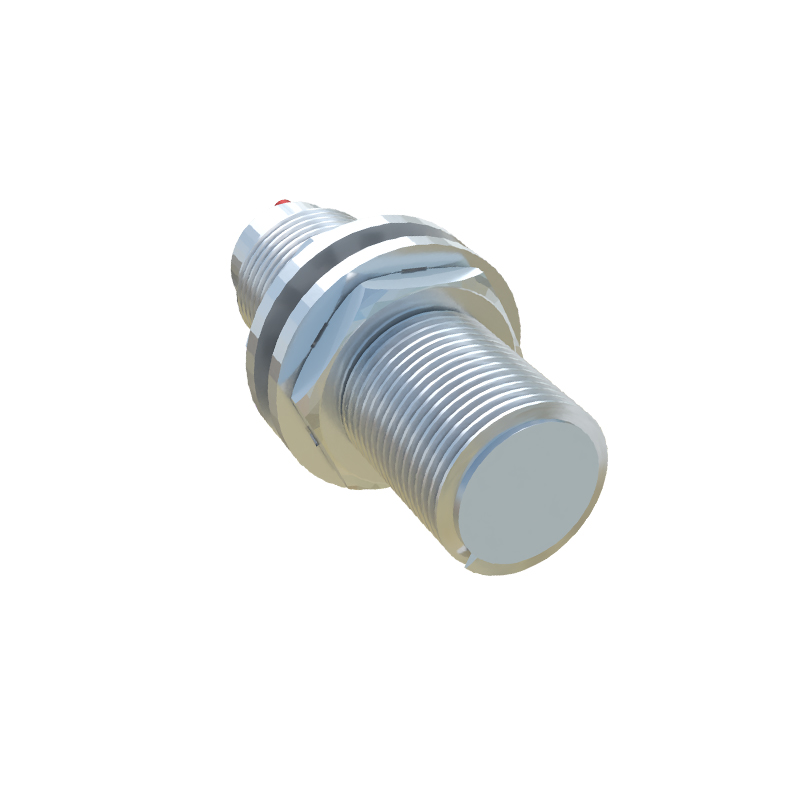
Another compelling area of development is the miniaturization and robustness of sensors. Exhibitions feature sensors designed for increasingly cramped spaces in miniaturized machinery, as well as models built to withstand extreme temperatures, high-pressure washdowns, or intense electromagnetic interference. This expansion of operational boundaries opens new possibilities for automation in harsh environments like foundries, chemical plants, and outdoor applications.
For a professional, the value of a proximity sensor exhibition extends beyond viewing products. It is a hub for practical learning and problem-solving. Live demonstrations on functional machinery show sensors in real-world scenarios, tackling issues like precise positioning on a high-speed conveyor, detecting transparent films, or ensuring safety in collaborative robot workspaces. Technical experts are present to discuss specific application challenges, offering tailored solutions that catalogs or online research cannot easily replicate. Furthermore, these events often host concurrent conference sessions where industry analysts and engineering veterans discuss future trends, such as the role of AI in sensor data analytics or the impact of new wireless sensing protocols.
Networking is an invaluable, though less tangible, benefit. Conversations with peers from different industries can reveal novel applications for existing technology. A solution developed for automotive welding might be adapted for pharmaceutical packaging, sparking innovation. Building relationships with supplier engineers can lead to better technical support and insights into upcoming product roadmaps.
In conclusion, a proximity sensor exhibition is a critical barometer for the state of industrial automation. It provides a comprehensive, hands-on overview of how sensing technology is advancing to meet the demands of Industry 4.0. From smarter, connected devices to tougher, more specialized form factors, the innovations on display directly translate to enhanced efficiency, reliability, and intelligence in automated systems. For anyone involved in designing, maintaining, or upgrading industrial processes, attending such an exhibition is an investment in staying competitive and informed, offering a clear vision of the automated future that is already taking shape on the factory floor.