In the demanding environment of drilling operations, whether for oil and gas, mining, or geothermal exploration, safety and operational efficiency are paramount. Among the myriad of technologies deployed to achieve these goals, drill rig proximity sensors stand out as critical, yet often understated, components. These devices are engineered to detect the presence or absence of objects within a specified range without any physical contact, providing essential data to control systems and operators to prevent collisions, optimize positioning, and safeguard both personnel and expensive machinery.
The core principle behind proximity sensors involves generating an electromagnetic field or a beam of radiation, such as infrared light. When an object enters this field, it causes a detectable change—a shift in oscillation amplitude, capacitance, or light reflection—which the sensor converts into an electrical signal. This signal is then relayed to the rig's programmable logic controller (PLC) or human-machine interface (HMI), triggering predefined actions. Common types utilized in drill rigs include inductive sensors for detecting metallic objects, capacitive sensors for both metallic and non-metallic materials, and ultrasonic sensors for distance measurement in challenging conditions involving dust, mist, or variable temperatures.
The application of these sensors on a drill rig is multifaceted. A primary function is anti-collision protection. On a crowded drill floor or within a mast, the movement of large components like the top drive, pipe handling arms, or the block itself poses significant risks. Proximity sensors are strategically installed to monitor the "envelope" of these moving parts. If a sensor detects an object, such as a stand of pipe or a worker, within a danger zone, it can automatically halt movement or send an urgent alarm to the operator. This is crucial in preventing costly damage to equipment—a single collision can lead to days of downtime and immense repair costs—and, more importantly, in avoiding life-threatening accidents.
Beyond collision avoidance, these sensors are integral to automation and precision control. In automated pipe handling sequences, sensors verify the correct positioning of pipes in the mousehole, the elevator, or the spider. They confirm whether a connection has been made up properly before applying torque, ensuring operational integrity. Furthermore, in systems controlling drill string tension or the drawworks, proximity sensors provide real-time feedback on the position of the traveling block, enabling precise depth control and consistent weight-on-bit application. This level of precision directly enhances drilling efficiency, reduces non-productive time, and minimizes wear on mechanical components.
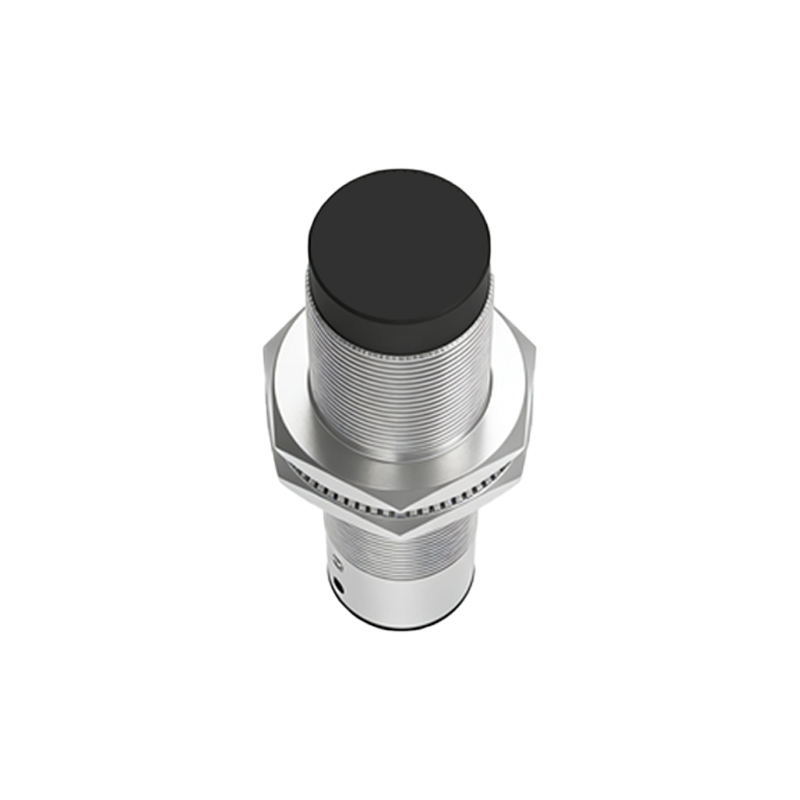
The operational environment for drill rig sensors is exceptionally harsh. They must withstand extreme vibrations, shocks, temperature fluctuations from arctic cold to desert heat, and exposure to drilling mud, water, grease, and corrosive chemicals. Therefore, sensors designed for this sector are built to rigorous industrial standards, often featuring robust stainless-steel or nickel-plated brass housings, high ingress protection (IP) ratings like IP67 or IP69K, and the ability to function reliably in wide temperature ranges. Selecting the right sensor type with appropriate sensing range, output type (PNP/NPN), and housing material is a critical engineering decision for system integrators and rig designers.
Looking forward, the integration of proximity sensors with the Industrial Internet of Things (IIoT) is set to redefine their role. Smart sensors with embedded diagnostics can communicate not just a simple on/off signal, but also data about their own health, operating temperature, and detection consistency. This predictive maintenance capability allows crews to replace a sensor before it fails, avoiding unplanned stops. When sensor data is aggregated on a cloud platform, it enables advanced analytics for optimizing entire drilling processes, identifying patterns that lead to inefficiency, and creating a comprehensive digital twin of the rig's physical movements.
In conclusion, drill rig proximity sensors are silent guardians of the modern drilling operation. Their continuous, reliable performance forms the backbone of automated safety systems and precision control loops. As drilling ventures into more challenging frontiers and the industry's focus on safety and cost-effectiveness intensifies, the sophistication and importance of these sensors will only grow. Investing in high-quality, appropriately specified proximity sensing technology is not merely a technical detail; it is a fundamental commitment to operational excellence and the well-being of every individual on the rig site.