Infrared proximity sensors have become ubiquitous in modern technology, found in everything from smartphones and robots to industrial automation and security systems. Their ability to detect the presence or absence of an object without physical contact makes them invaluable. Naturally, one of the most common questions from engineers, hobbyists, and procurement managers is: "How much does an infrared proximity sensor cost?" The answer is not a single figure but a range, typically from as low as $0.50 to over $100 per unit. This vast price disparity is driven by several critical factors that determine both performance and application suitability.
At the very low end of the spectrum, you find basic, passive infrared (PIR) sensors or simple reflective IR sensor modules. These are often sold as components for hobbyist projects on platforms like eBay, AliExpress, or from electronics retailers. A common TCRT5000 reflective IR sensor module can be purchased for between $0.50 and $3. These are ideal for simple obstacle detection in small robots or line-following applications. However, they offer limited range, basic functionality, and may lack calibration or temperature compensation, making them unsuitable for precision tasks.
Moving into the mid-range, from about $5 to $30, you encounter more sophisticated digital sensors with integrated signal processing. These are often I2C or SPI compatible, making them easy to interface with microcontrollers like Arduino or Raspberry Pi. Sensors in this bracket, such as the popular VL53L0X time-of-flight (ToF) sensor or the Sharp GP2Y0A series, provide much more accurate distance measurements, longer ranges (up to several meters), and better performance in varying light conditions. They are commonly used in consumer electronics prototypes, advanced robotics, and some light industrial applications. The price here reflects better components, onboard processing chips, and brand reputation (e.g., STMicroelectronics, Vishay).
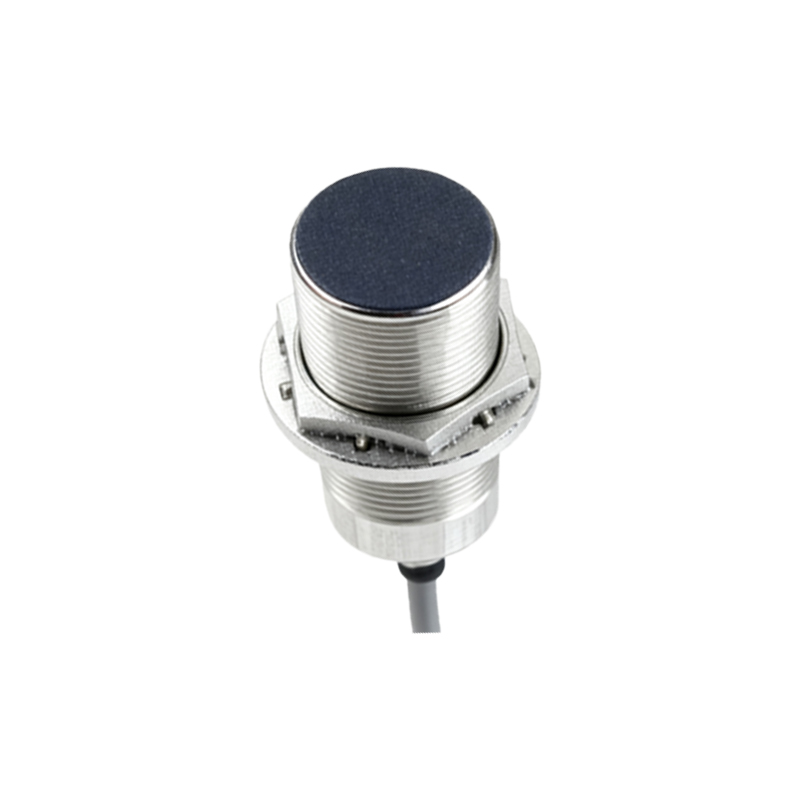
For industrial and high-reliability applications, costs can jump significantly into the $30 to $100+ range. These sensors are built for harsh environments, offering features like extended temperature ranges (-40°C to 85°C or higher), high ingress protection (IP67/IP68 ratings for dust and water resistance), robust housing (often in metal), high-speed response, and extreme accuracy and repeatability. Brands like Banner Engineering, Omron, or Sick produce sensors in this category. They come with detailed datasheets, calibration certificates, and reliable technical support. The cost is justified for critical applications in manufacturing, automotive, or aerospace where sensor failure is not an option.
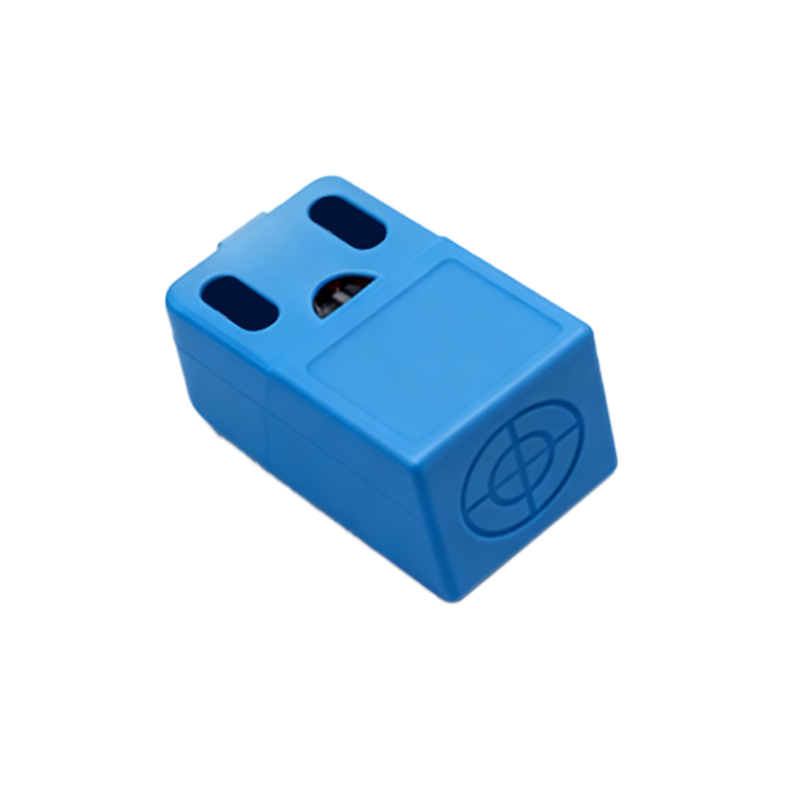
Beyond the unit price, several other cost factors must be considered. Order Volume is paramount. Purchasing a single sensor from a distributor will carry the highest unit price. Buying in bulk (hundreds or thousands) directly from a manufacturer or authorized distributor can reduce the unit cost by 50% or more. Packaging and Form Factor also affect price. A simple PCB-mounted sensor is cheaper than one housed in a threaded barrel or a specialized enclosure. Additional Features like adjustable sensing ranges, programmable outputs (analog, digital, PWM), built-in amplifiers, or specialized lenses (for focused beams) add to the cost. Supply Chain and Brand play a role too; well-established brands with guaranteed supply chains command a premium over generic or no-name equivalents.
When budgeting for a project, it's crucial to look beyond the initial purchase price. Consider the Total Cost of Ownership (TCO), which includes integration time, potential need for supporting circuitry, calibration efforts, and long-term reliability. A cheaper sensor that requires complex software filtering and fails in six months may be far more expensive than a higher-quality, plug-and-play alternative.
In summary, the question "How much does an infrared proximity sensor cost?" can only be answered by first defining your requirements: What is the required detection range and accuracy? What are the environmental conditions (light, dust, temperature)? What is the required output interface? What is the expected volume? For simple DIY projects, expect to spend a few dollars. For prototyping and educational use, the $10-$25 range offers excellent capability. For final product integration or industrial use, budget from $20 to over $100 per sensor, with significant discounts for volume purchases. Always consult datasheets, compare samples, and factor in all associated costs to make the most economical and effective choice for your specific application.