Proximity sensors are essential components in modern automation and electronics, detecting the presence or absence of objects without physical contact. These devices operate based on various principles, each suited to specific applications and environments. Understanding how they work and their cost factors can help in selecting the right sensor for industrial, automotive, or consumer projects.
The most common types include inductive, capacitive, ultrasonic, and optical proximity sensors. Inductive sensors generate an electromagnetic field to detect metallic objects, making them ideal for manufacturing lines where metal parts are monitored. They consist of a coil, oscillator, and detection circuit. When a metal object enters the electromagnetic field, it induces eddy currents, causing a change in oscillation amplitude that triggers an output signal. These sensors are robust, resistant to environmental factors like dust or moisture, and typically have a sensing range from a few millimeters to about 60 millimeters.
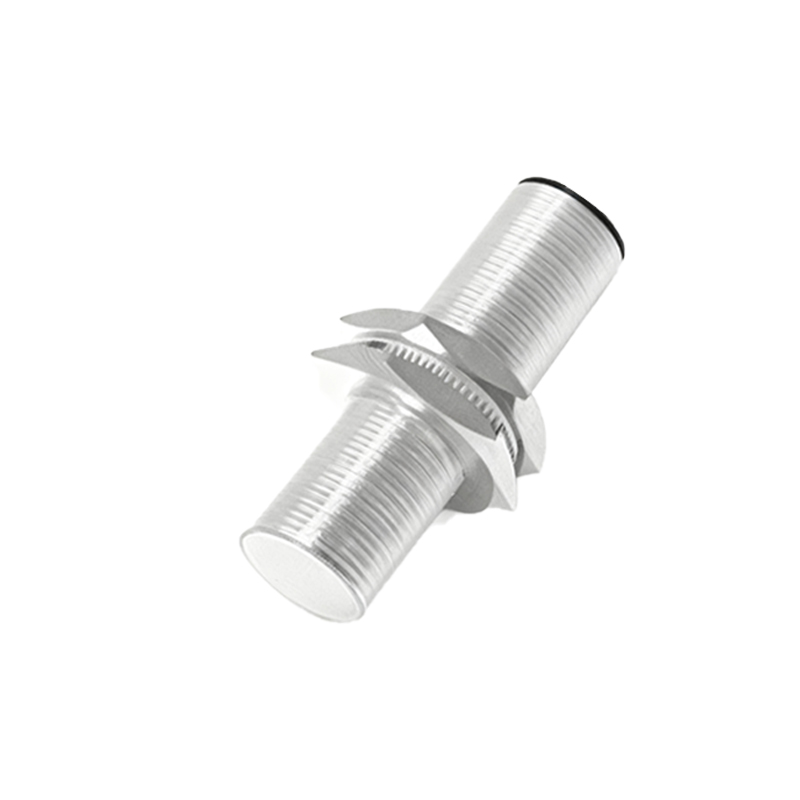
Capacitive proximity sensors can detect both metallic and non-metallic materials, such as liquids, plastics, or wood. They work by measuring changes in capacitance between the sensor and the target object. The sensor generates an electrostatic field, and when an object enters this field, it alters the capacitance, leading to a signal output. This versatility makes them useful in industries like food processing or packaging, where diverse materials need detection. Sensing ranges vary but often extend up to 40 millimeters, depending on the material's dielectric properties.
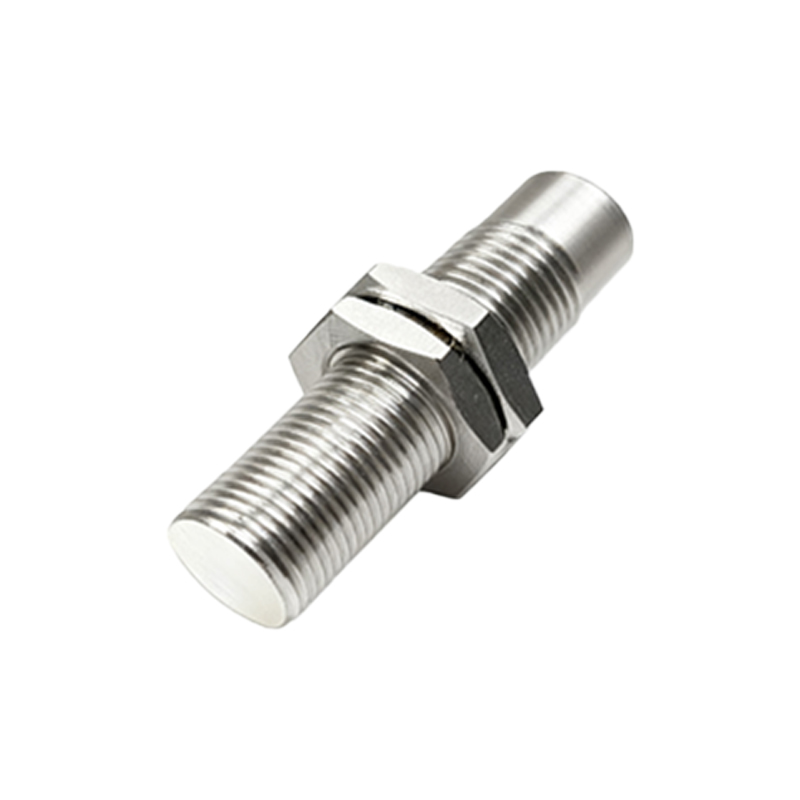
Ultrasonic sensors use sound waves beyond human hearing to detect objects. They emit high-frequency pulses and measure the time taken for echoes to return after hitting an object. This time-of-flight principle allows them to sense a wide range of materials, regardless of color or transparency, and they can operate in harsh conditions like fog or dust. Common applications include level measurement in tanks or obstacle detection in robotics, with ranges from centimeters to several meters.
Optical proximity sensors, including infrared and laser types, rely on light beams to detect objects. They consist of an emitter and a receiver; when an object interrupts or reflects the light beam, the receiver detects the change and sends a signal. These sensors offer high precision and fast response times, suitable for applications like smartphone screens or automated assembly lines. However, they can be affected by ambient light or surface reflectivity.
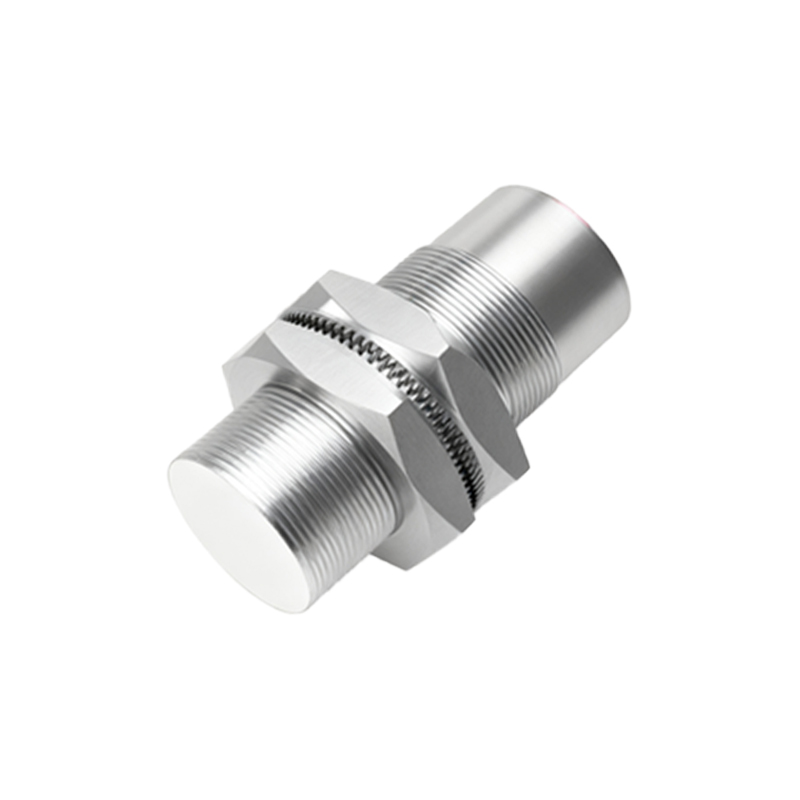
Regarding price, proximity sensor costs depend on factors such as type, sensing range, accuracy, durability, and brand. Basic inductive or capacitive sensors may start from $10 to $50 for standard models used in general automation. For example, a simple inductive sensor with a 10mm range might cost around $15 to $30, while capacitive versions for non-metallic detection could range from $20 to $60. Ultrasonic sensors, with their longer ranges and complex circuitry, often fall between $30 and $150, depending on features like analog output or environmental resistance. Optical sensors vary widely; basic infrared models might be priced from $10 to $40, whereas high-end laser sensors for precision tasks can exceed $200.
Additional cost considerations include output type (digital or analog), housing material (e.g., stainless steel for harsh environments), and certifications for safety standards. Bulk purchases or OEM agreements may reduce prices, while custom configurations can increase costs. When selecting a sensor, balance performance needs with budget, considering long-term reliability to avoid frequent replacements. In summary, proximity sensors offer diverse working principles and price points, enabling efficient object detection across industries. By evaluating technical specifications and application requirements, users can make informed choices that optimize both functionality and cost-effectiveness.