Proximity sensors are indispensable components in modern automation and electronics, silently enabling countless functionalities from smartphones to industrial assembly lines. Their core function is to detect the presence or absence of an object within a specified range without physical contact. This non-contact operation is the foundation for their widespread adoption and leads to a distinct set of characteristics that define their performance and suitability for various applications.
One of the most significant features is their non-contact nature. By eliminating the need for physical touch, these sensors prevent wear and tear, significantly enhancing longevity and reliability. This is crucial in harsh environments where mechanical contact could lead to damage or in cleanroom applications where contamination must be avoided. The absence of moving parts also translates to minimal maintenance and a high operational life cycle.
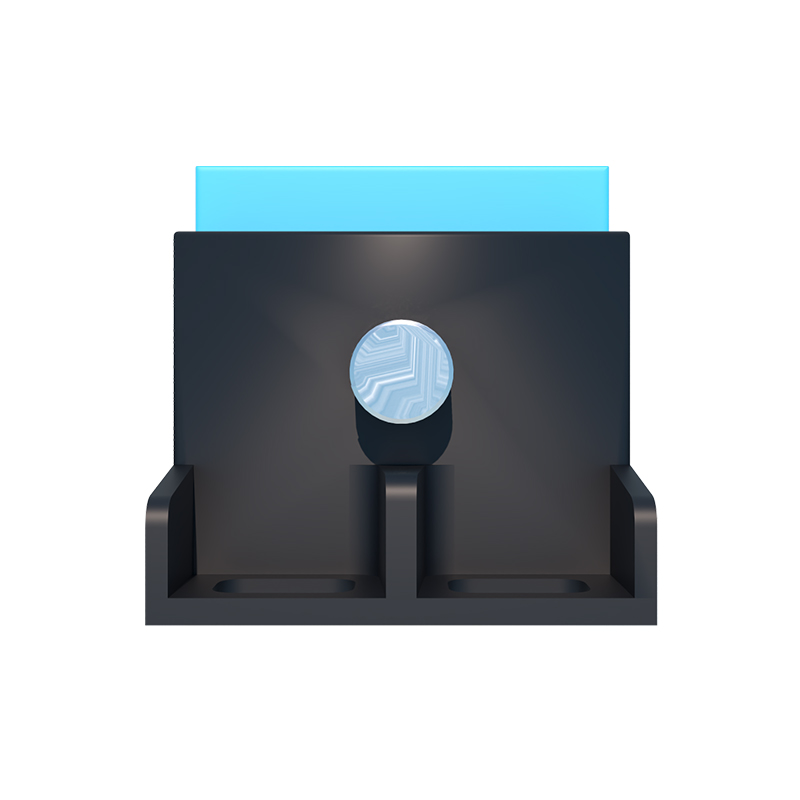
The sensing range is a critical parameter that varies widely among different technologies. Inductive sensors, for instance, are designed specifically for detecting metallic objects and typically offer short to medium ranges. Capacitive sensors can detect both metallic and non-metallic materials like plastic, wood, or liquids, but their range is generally shorter. Ultrasonic and photoelectric sensors provide longer detection distances. The choice depends entirely on the required working distance and the target material.
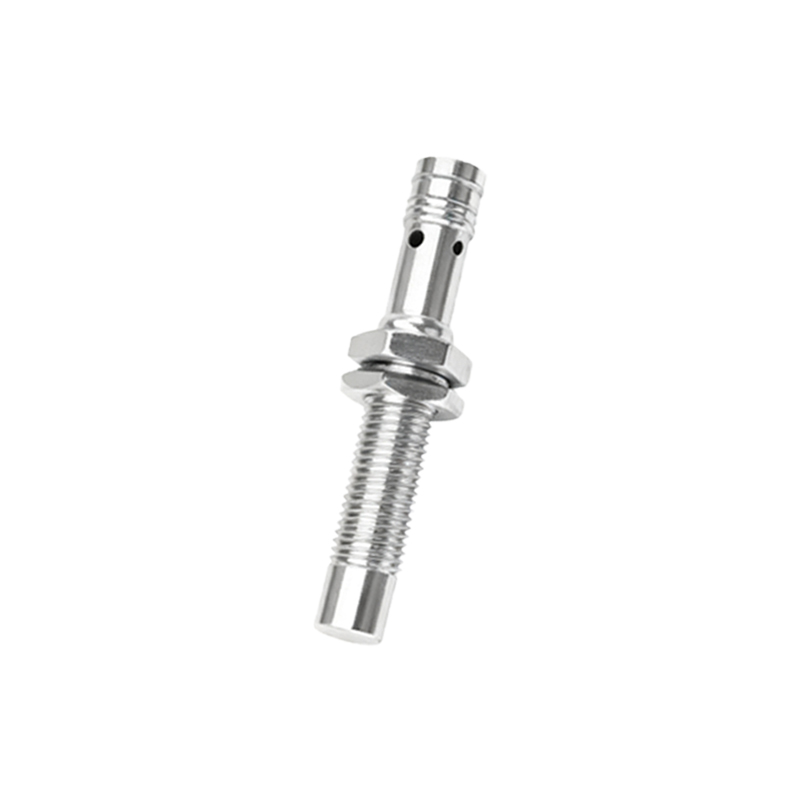
Response time, or switching frequency, refers to how quickly a sensor can detect an object and send a signal. High-speed applications, such as counting objects on a fast conveyor belt or monitoring rotational speed, demand sensors with extremely fast response times, often in the microsecond range. Slower processes can utilize sensors with more modest speeds. This characteristic directly impacts system throughput and efficiency.
Environmental robustness is a key strength, especially for industrial variants. Many proximity sensors are built to withstand extreme conditions. They are often housed in rugged metallic or polymer casings with high Ingress Protection (IP) ratings, making them resistant to dust, water, oil, and chemical splashes. Some are specifically designed to endure high temperatures, intense vibrations, or electromagnetic interference common in factory settings.
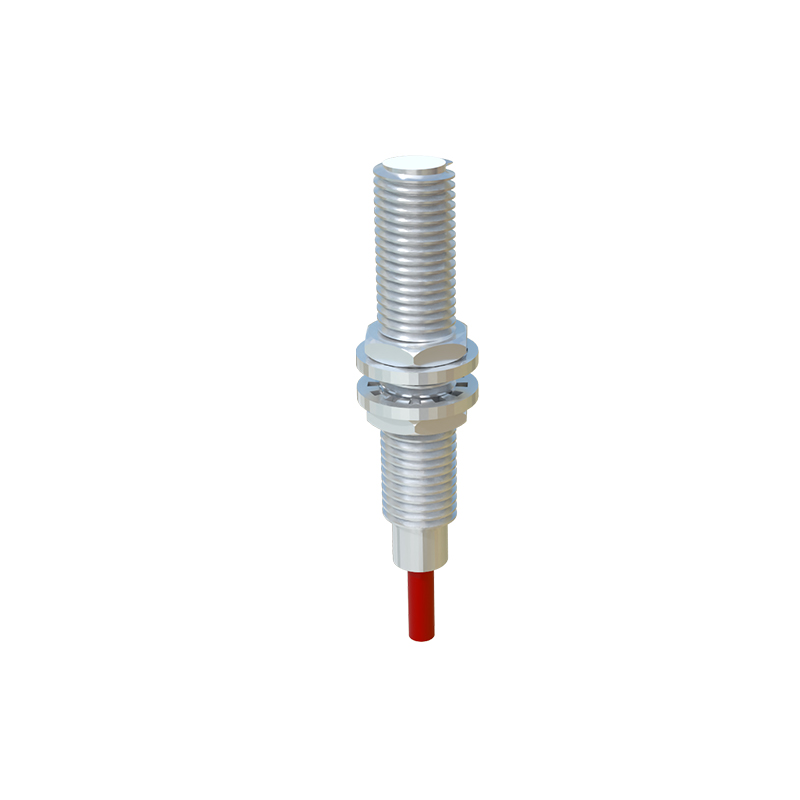
Output type is another defining characteristic. Sensors primarily provide digital (discrete) outputs, meaning they switch between an "ON" and "OFF" state when an object is detected. Common configurations include NPN (sinking) and PNP (sourcing) transistor outputs, which define how the sensor connects to a controller like a PLC. Analog output sensors are also available, providing a continuous signal (e.g., 4-20mA or 0-10V) proportional to the distance to the target, useful for precise positioning or dimension checking.
Finally, the physical form factor and mounting options offer great flexibility. Proximity sensors come in cylindrical barrels, rectangular blocks, or ring-shaped designs. They can be flush-mounted, non-flush-mounted, or even embedded. This variety allows engineers to integrate them into tight spaces or specific machine geometries, ensuring reliable detection regardless of spatial constraints.
In summary, the defining characteristics of proximity sensors—non-contact operation, varied sensing ranges and technologies, fast response times, environmental durability, configurable outputs, and versatile form factors—make them a versatile and reliable solution. Understanding these traits is essential for selecting the right sensor to enhance automation, improve safety, and ensure precision in any system, from consumer electronics to heavy industry.