Infrared proximity sensors are widely used in various applications, from smartphones and robotics to industrial automation and home appliances. Their primary function is to detect the presence or absence of an object within a specific range without physical contact, typically by emitting an infrared (IR) light beam and measuring the reflection. However, a common and significant challenge that can severely impair their performance is sensor blockage or obstruction. Understanding the causes, consequences, and solutions for this issue is crucial for ensuring reliable operation.
The fundamental principle of an IR proximity sensor involves an IR LED that emits light and a photodiode or phototransistor that detects the reflected signal. When an object enters the detection field, it reflects the IR beam back to the receiver, triggering a detection event. Blockage occurs when an external material—dust, dirt, grease, adhesive residue, paint, or even a protective film—accumulates on the sensor's lens or the transparent window covering it. This layer interferes with both the emission of the IR signal and the reception of its reflection.
The consequences of blockage are multifaceted and often lead to system failures. The most direct effect is reduced detection range. The obstructive layer attenuates the outgoing beam, meaning it travels a shorter distance before dissipating. Similarly, the weakened reflected signal struggles to pass back through the blockage to reach the receiver. This can cause the sensor to fail to detect objects that are within its specified nominal range. Conversely, in some scenarios, the blockage itself can cause erratic behavior. For instance, a semi-transparent film or a specific type of grime might partially and consistently reflect the IR beam internally, causing the sensor to register a "permanent near" state, as if an object is always present. This is particularly problematic in devices like smartphones, where a blocked proximity sensor can keep the screen turned off during calls. In industrial settings, such failures can lead to incorrect machine cycles, safety hazards, or production line stoppages.
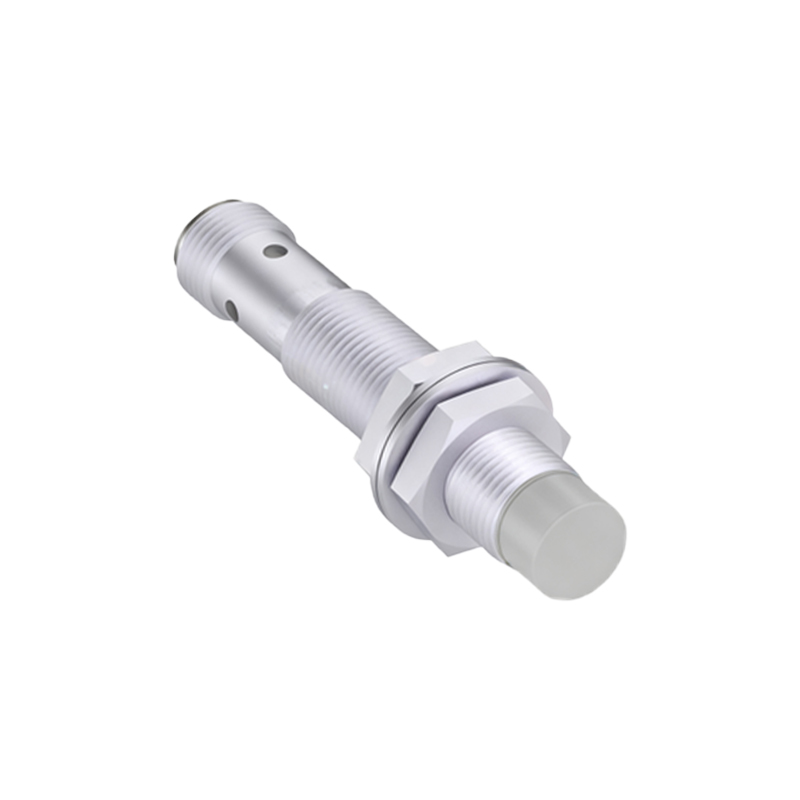
Environmental factors are primary contributors to blockage. In manufacturing plants, airborne oil mists, metal shavings, or chemical vapors can coat sensors. Outdoor applications expose sensors to rain, mud, snow, and dust. Even in consumer electronics, everyday use leads to the accumulation of lint, fingerprints, and pocket debris on sensor apertures. Another less obvious cause is improper installation or design. Using an incorrect sealant that outgasses and forms a film, applying a screen protector not designed for the specific sensor cutout, or having a design where the sensor is recessed in a way that traps contaminants can all lead to premature blockage.
Addressing infrared proximity sensor blockage requires a multi-pronged approach, focusing on prevention, design, and maintenance.
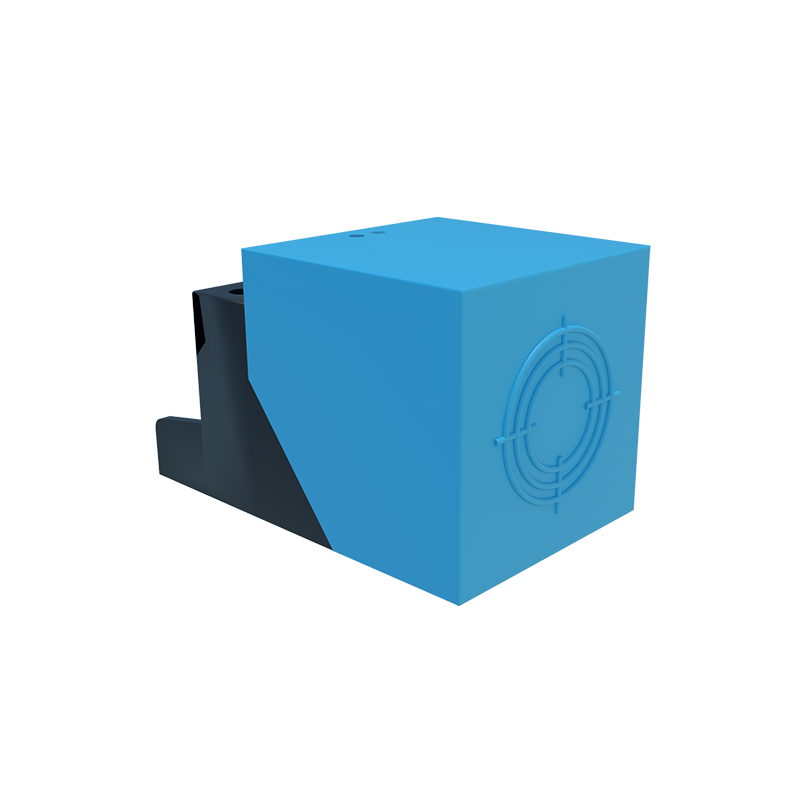
Preventive Design and Material Selection: The first line of defense is proper mechanical and material design. Selecting sensor modules with robust, scratch-resistant optical windows (like hardened glass instead of polycarbonate) can reduce susceptibility. The design should include a slight overhang or lip to shield the sensor surface from direct dripping or accumulation. For harsh environments, specifying sensors with high Ingress Protection (IP) ratings, such as IP67 or IP69K, ensures they are dust-tight and protected against high-pressure water jets, preventing contaminants from entering.
Regular Maintenance and Cleaning Protocols: For installed systems, establishing a routine inspection and cleaning schedule is essential. Cleaning should be performed using appropriate methods: compressed air to blow away loose dust, followed by gentle wiping with a lint-free cloth slightly dampened with isopropyl alcohol for greasy residues. It is critical to avoid abrasive materials or harsh chemicals that could scratch or chemically damage the optical surface.
Sensor Diagnostics and Smart Algorithms: Advanced systems can incorporate diagnostic features. Some sensors can monitor the strength of the received signal or the baseline ambient IR level. A gradual decline in signal strength or an abnormal baseline can be flagged as a potential blockage warning before a complete failure occurs. Furthermore, implementing software algorithms can help. For example, instead of using a single fixed threshold for detection, the system can adaptively calibrate itself during a known "clear" state, making it more tolerant to gradual signal degradation.
Alternative Technologies and Redundancy: In mission-critical applications, considering alternative or complementary sensing technologies can mitigate risk. For instance, ultrasonic sensors are less affected by optical blockage (though susceptible to acoustic interference). Implementing a redundant sensor system, where two different sensor types (e.g., IR and capacitive) monitor the same parameter, can provide a backup if one fails due to blockage.
In conclusion, while infrared proximity sensors are invaluable components, their vulnerability to blockage is a well-known engineering challenge. This issue manifests as reduced performance, false readings, or complete sensor failure. By integrating thoughtful design choices focused on environmental protection, adhering to disciplined maintenance routines, and leveraging smart diagnostics or hybrid sensing systems, engineers and users can significantly enhance the reliability and longevity of these sensors. Proactive management