Large square proximity sensors represent a critical category in industrial automation, offering reliable non-contact detection for a wide range of applications. Characterized by their robust square housing, these sensors are designed to withstand harsh environments while providing consistent performance. Unlike cylindrical sensors, the square form factor allows for easier mounting and integration into machinery with flat surfaces, often featuring multiple mounting holes for secure installation.
The operating principle of these sensors typically relies on electromagnetic, inductive, or capacitive technologies. Inductive variants are predominant for metal detection, generating an electromagnetic field that detects the presence of conductive materials without physical contact. Capacitive models can detect both metallic and non-metallic objects, such as liquids, plastics, or wood, by sensing changes in capacitance. This versatility makes large square proximity sensors indispensable in diverse settings, from manufacturing lines to material handling systems.
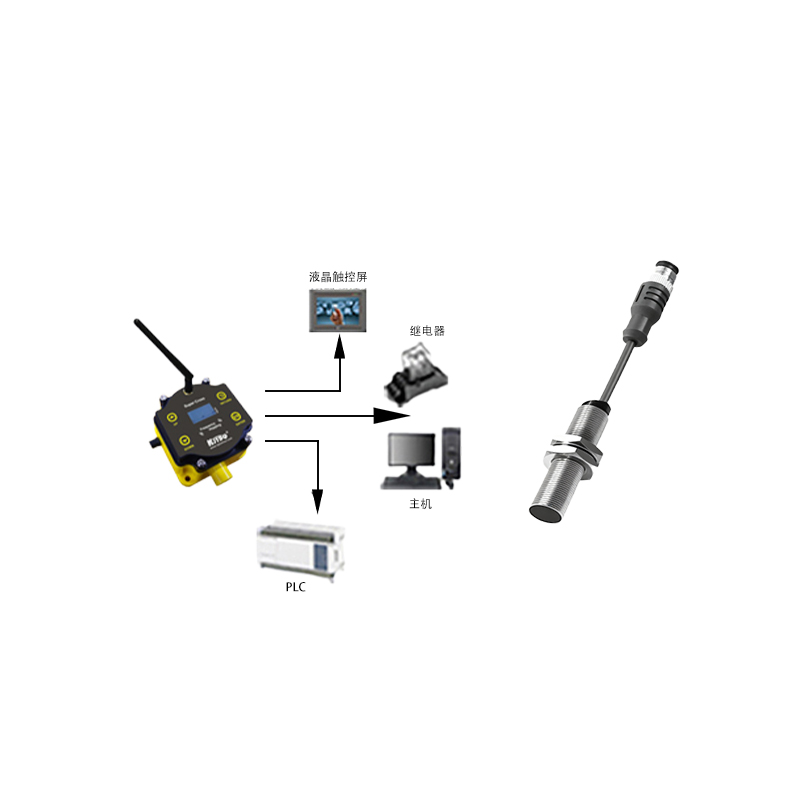
Key features include extended sensing ranges, often up to several centimeters, depending on the sensor size and technology. Many models offer adjustable sensitivity, allowing fine-tuning to ignore background interference or detect specific materials. High switching frequencies enable rapid response times, essential for high-speed production lines. Durability is another hallmark, with enclosures commonly rated IP67 or higher, providing resistance to dust, moisture, oils, and mechanical impacts. Some advanced versions incorporate temperature compensation to maintain accuracy in fluctuating thermal conditions.
In industrial applications, large square proximity sensors perform numerous functions. On conveyor systems, they detect product presence, count items, or verify positioning. In automated machinery, they serve as limit switches to monitor the movement of components like robotic arms or actuators. Packaging industries utilize them to confirm the presence of containers or lids, while automotive assembly lines rely on them for part verification and safety interlocks. Their robust design is particularly suited for heavy-duty sectors like metalworking, where they monitor tool positions or detect metal sheets.
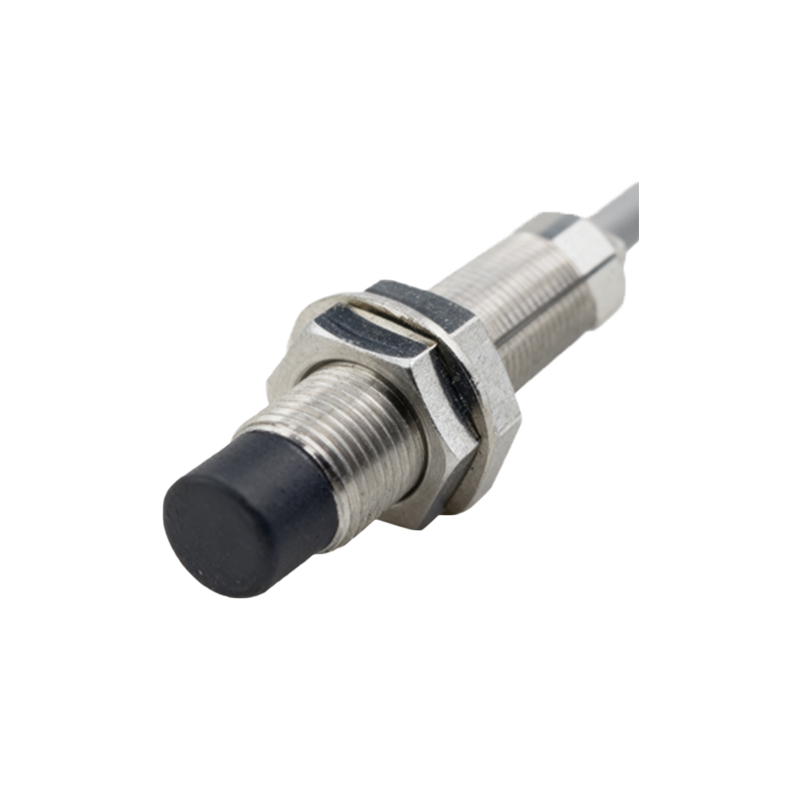
Selecting the appropriate sensor involves considering factors such as the target material, required sensing distance, environmental conditions, and output type (e.g., NPN, PNP, or analog). Electrical compatibility with control systems, like PLCs, is also crucial. Installation practices, such as ensuring proper alignment and minimizing sensor-to-target gaps, significantly impact performance. Regular maintenance, including cleaning sensing faces and checking wiring, helps prevent false triggers and extends service life.
Innovations continue to enhance these sensors, with developments like IO-Link connectivity for digital communication and diagnostics, enabling predictive maintenance and easier integration into Industry 4.0 frameworks. Enhanced materials and coatings further improve resistance to chemicals and extreme temperatures. As automation evolves, large square proximity sensors remain fundamental components, offering a blend of reliability, adaptability, and resilience for modern industrial challenges. Their straightforward design belies sophisticated functionality, making them a cornerstone of efficient and safe automated operations worldwide.