In the realm of industrial automation, the seamless integration of sensing technology is paramount. Proximity switch sensor agents represent a critical component in this ecosystem, acting as intelligent intermediaries that bridge the gap between raw sensor data and higher-level control systems. Unlike a simple sensor, an agent embodies a more sophisticated function, often involving data processing, communication protocols, and decision-making logic at the edge of the network.
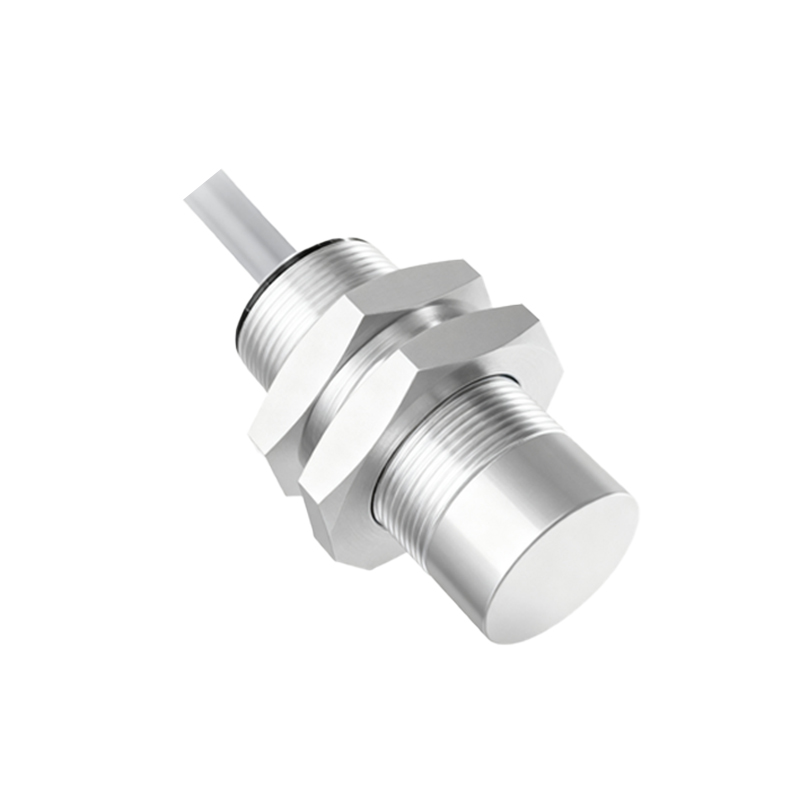
A proximity switch sensor, fundamentally, is a non-contact device that detects the presence or absence of an object within a specific range. Utilizing technologies such as inductive, capacitive, ultrasonic, or photoelectric principles, these switches generate a discrete signal when a target enters their detection field. The role of the "agent" in this context elevates the basic functionality. A proximity switch sensor agent can be understood as a smart module or a software layer that manages one or multiple proximity sensors. It handles tasks like signal conditioning, filtering out environmental noise, calibrating detection thresholds, and converting the sensor's output into a standardized digital format readable by Programmable Logic Controllers (PLCs), Distributed Control Systems (DCS), or Industrial IoT (IIoT) platforms.
The implementation of agent-based architecture for proximity sensors offers substantial advantages. Firstly, it enhances reliability. By preprocessing data locally, the agent can identify and sometimes compensate for sensor degradation or momentary false triggers before sending information upstream. This leads to fewer erroneous shutdowns or faults in the production line. Secondly, it simplifies system integration and maintenance. Instead of configuring each sensor individually on the main controller, technicians can interact with the agent, which presents a unified interface. Parameters for an entire bank of sensors can be managed through a single point, drastically reducing commissioning time and complexity.
Furthermore, in modern smart factories, data is a valuable asset. A proximity sensor agent does more than just signal "on" or "off." It can accumulate operational data, such as cycle counts, detection frequency, and environmental operating temperatures. This data can be packaged and transmitted to supervisory systems for predictive maintenance analytics. For instance, an agent might monitor the response time of a sensor and alert operators to a potential failure before it causes unplanned downtime, transforming a simple component into a proactive maintenance tool.
From an application standpoint, proximity switch sensor agents are indispensable in material handling, automotive assembly, packaging, and robotic guidance. In automated storage and retrieval systems, agents managing arrays of photoelectric sensors ensure precise pallet positioning. On robotic assembly lines, inductive proximity agents confirm the correct seating of metal components before a welding cycle begins, ensuring both quality and safety. The agent's ability to communicate over industrial networks like IO-Link, PROFINET, or EtherNet/IP enables seamless data exchange and remote diagnostics, which is a cornerstone of Industry 4.0.
Safety is another critical domain where these agents prove vital. In safety-rated applications, proximity sensors configured as part of a safety system (e.g., for door monitoring or presence detection in hazardous zones) often rely on agent-like safety controllers. These specialized agents perform continuous self-checks, monitor for wire breaks, and ensure fail-safe operation, directly contributing to protecting personnel and equipment.
Choosing the right proximity switch sensor agent involves considering factors such as the sensing technology required for the target material, the required sensing distance, environmental conditions (like dust, moisture, or temperature extremes), and the communication protocol of the existing control architecture. The trend is moving towards greater intelligence at the sensor level, with agents becoming more autonomous and capable of executing complex local logic.
In conclusion, the evolution from standalone proximity switches to intelligent proximity switch sensor agents marks a significant leap in industrial automation. By embedding processing power and communication intelligence, these agents enhance operational efficiency, system reliability, and data visibility. They are not merely components but active participants in the control process, enabling more resilient, adaptable, and intelligent manufacturing environments. As industries continue to advance towards greater connectivity and autonomy, the role of the sensor agent will only become more central and sophisticated.