In the world of industrial automation and machinery, proximity sensors are indispensable components. They detect the presence or absence of objects without physical contact, enabling precise control, counting, positioning, and safety functions. However, the performance, longevity, and reliability of these sensors are often dictated not just by the sensor itself, but by the accessories that support and protect it. Understanding and selecting the right proximity sensor accessories is crucial for optimizing any application.
One of the most fundamental accessories is the mounting hardware. Proximity sensors come in various form factors—cylindrical (barrel-style), rectangular, and ring-shaped. Proper brackets, nuts, and lock washers ensure the sensor is securely and accurately positioned. Misalignment, even by a few millimeters, can significantly reduce the sensing range or cause false triggers. For cylindrical sensors, standard metric mounting nuts are common, but specialized brackets allow for flexible installation in tight or unconventional spaces. Vibration-resistant locking nuts are essential in high-motion environments to prevent the sensor from loosening over time, which could lead to catastrophic failure.

Beyond mounting, protection is paramount. Sensing faces, the active part of the sensor, are vulnerable to physical damage, contamination, and environmental factors. This is where protective accessories like caps, covers, and guards come into play. Wear-resistant ceramic or hardened steel caps can be fitted over the sensing face to protect against abrasion from the target material itself, such as in metal chip detection or rough part handling. For welding applications, specially designed spark guards and slag shields protect the sensor from spatter and extreme heat, preventing melted plastic housings or coated sensing faces from being damaged. In washdown environments common in food and beverage or pharmaceutical industries, stainless steel shrouds and sealed housings prevent ingress of water, chemicals, and cleaning agents.
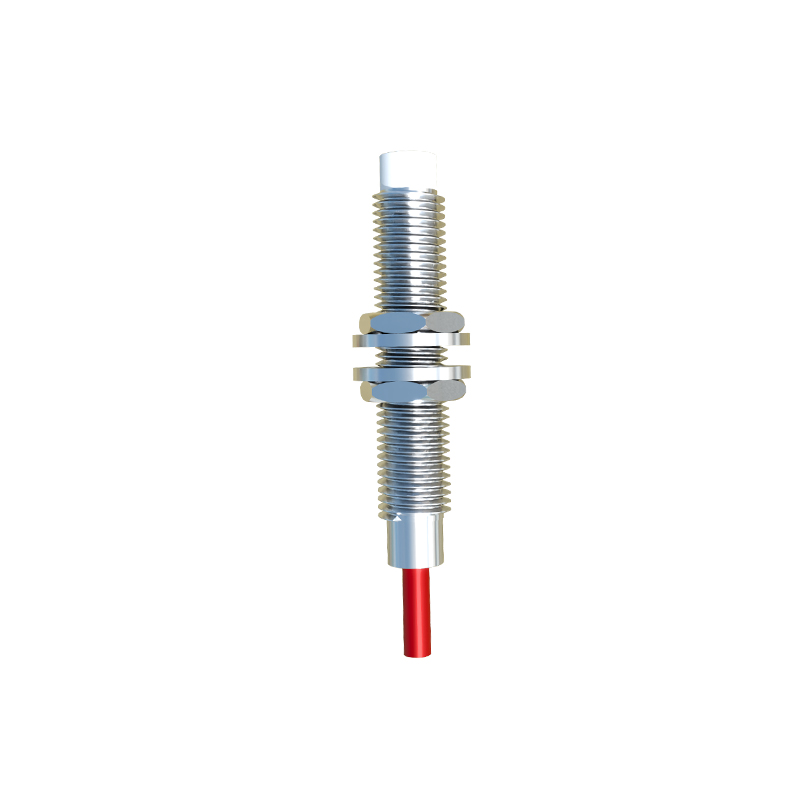
Cable management is another critical area often overlooked. The cable is the sensor's lifeline, and its failure means the sensor is useless. Strain relief brackets and cable glands are essential accessories that absorb mechanical stress at the point where the cable enters the sensor housing. This prevents the wires from breaking due to constant bending, pulling, or twisting. For applications where cables are exposed to moving parts, cable carriers (also known as energy chains) and protective sleeving (like spiral wrap or conduit) shield the cables from crushing, cutting, and excessive wear. Choosing the right cable jacket material—such as PVC for general use, PUR for oil resistance, or TPE for extreme flexibility—is itself an accessory consideration that extends system life.
Electrical performance can also be enhanced with accessories. While many modern sensors have integrated diagnostics, separate indicator modules or amplifiers can provide remote status lights, adjustable sensing ranges, and analog output conditioning. These devices allow for easier troubleshooting and fine-tuning without direct access to the sensor. In electrically noisy environments, ferrite cores (beads) clamped onto the sensor cable can suppress electromagnetic interference (EMI), ensuring a clean, stable signal to the controller. For sensors operating on DC voltage, protective diodes (suppression modules) are vital when connecting to inductive loads like relays or solenoids to prevent voltage spikes from damaging the sensor's output circuit.
Finally, calibration and testing tools are the unsung heroes of maintenance. Non-invasive test objects, typically made of the correct target material (e.g., mild steel for inductive sensors), allow technicians to verify sensor operation and sensing distance without disrupting the production line. Gap setting gauges ensure precise installation distances are maintained.
In conclusion, proximity sensor accessories are not mere optional extras; they are integral components of a robust sensing solution. Investing in the appropriate mounting systems, protective gear, cable management, and electrical enhancements transforms a standard sensor into a reliable, long-lasting, and high-performing asset. It mitigates downtime, reduces replacement costs, and ensures the consistent, accurate operation that modern automated systems demand. A holistic view that considers both the sensor and its supporting ecosystem is the key to unlocking maximum value and reliability in any industrial setting.