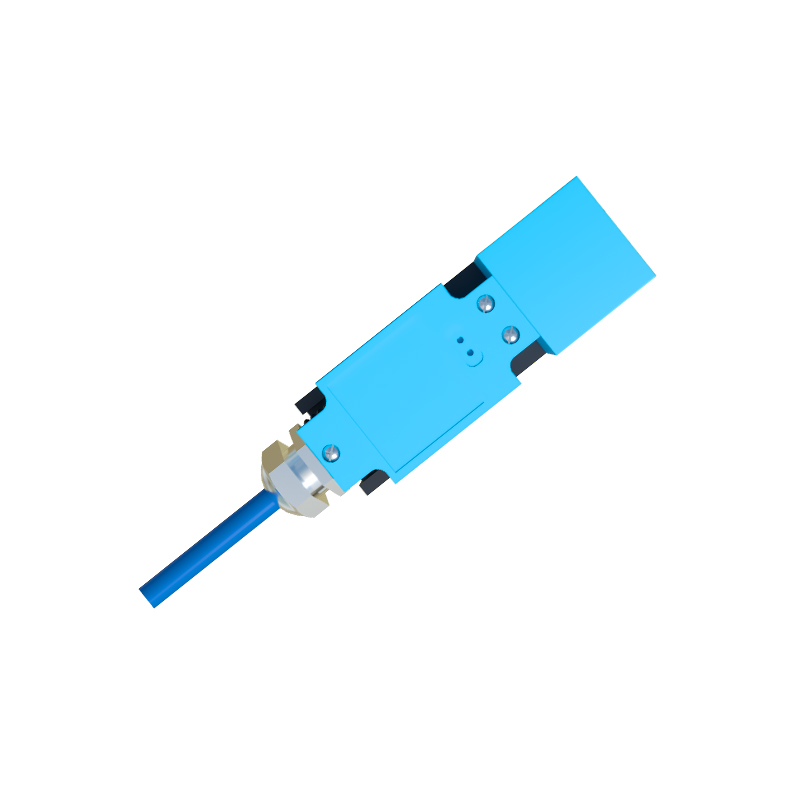
In an increasingly automated world, proximity sensors serve as the fundamental building blocks for countless interactions between machines and their environment. These devices, often unnoticed, detect the presence or absence of nearby objects without any physical contact. The principle is elegantly simple: a proximity sensor emits an electromagnetic field or a beam of radiation, such as infrared light, and looks for changes in the field or return signal. The object being sensed is often referred to as the sensor's target.
The applications are vast and deeply integrated into daily life. In smartphones, a proximity sensor detects when a user holds the phone to their ear during a call, turning off the display to save power and prevent accidental screen presses. In automotive systems, these sensors are crucial for parking assistance, alerting drivers to obstacles that are invisible from the driver's seat. Industrial automation relies heavily on them for precise object detection on assembly lines, robotic guidance, and safety systems that protect workers by halting machinery when a person gets too close.
Several core technologies underpin proximity sensing, each with its own strengths. Inductive sensors are ideal for detecting metallic objects. They generate an oscillating electromagnetic field, and when a metal target enters this field, it induces eddy currents within the metal, which the sensor detects. Capacitive sensors, on the other hand, can detect both metallic and non-metallic materials like liquids, wood, or plastics. They work by measuring changes in capacitance caused by the presence of a target object near the sensing face. Photoelectric sensors use light beams, typically infrared, to detect objects. An object interrupts or reflects the beam, triggering the sensor. Finally, ultrasonic sensors emit high-frequency sound waves and measure the time it takes for an echo to return, calculating distance based on the speed of sound.
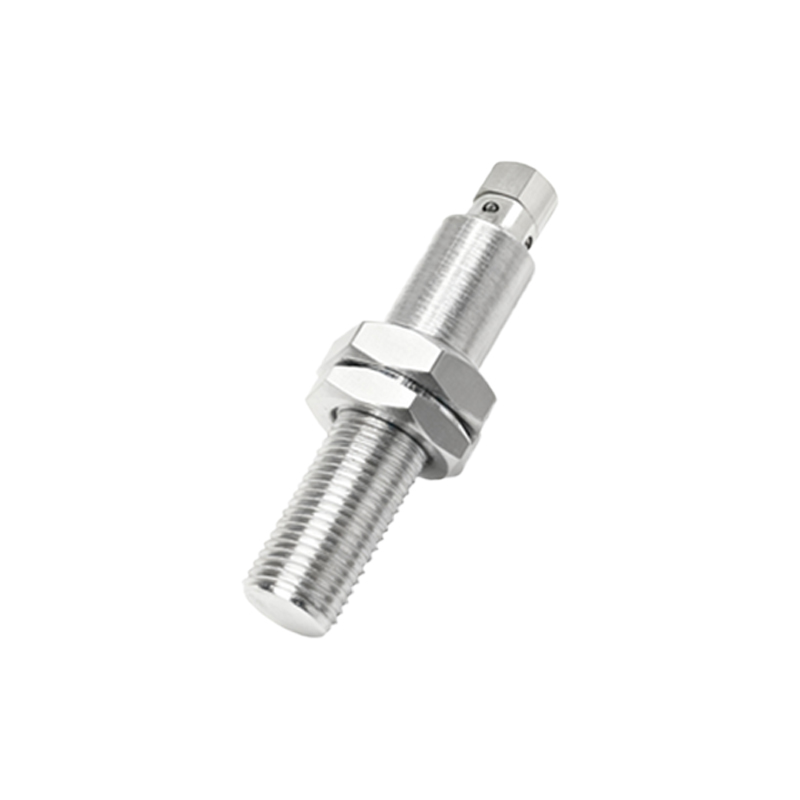
Selecting the right sensor involves a careful analysis of the operating environment and the target material. Factors such as sensing range, response time, environmental conditions (like dust, moisture, or temperature extremes), and required output type (digital or analog) are critical. For instance, an inductive sensor would fail to detect a plastic bottle, while a capacitive sensor might be triggered unintentionally by environmental humidity. Engineers must also consider the sensor's housing material and protection rating (IP code) to ensure longevity in harsh industrial settings.
The evolution of proximity sensors is closely tied to advancements in the Internet of Things (IoT) and smart systems. Modern sensors are becoming smaller, more energy-efficient, and increasingly intelligent. They now often include integrated microprocessors for self-diagnosis, temperature compensation, and digital communication via protocols like IO-Link. This connectivity allows for predictive maintenance, where a sensor can report its health status before a failure occurs, minimizing downtime in critical processes.
Looking forward, the fusion of proximity sensing with artificial intelligence and machine vision is opening new frontiers. In collaborative robotics, sensors provide the "sense of touch" that allows robots to work safely alongside humans. In smart cities, networks of sensors manage traffic flow, monitor infrastructure, and enhance public safety. The humble proximity sensor, a workhorse of industrial engineering, is thus evolving into a key data point in our interconnected digital ecosystem, proving that the most powerful technologies are often those we do not see.