Landing gear proximity sensors are critical components in modern aviation, serving as the electronic eyes that monitor the position of the aircraft's landing gear—whether it is safely locked down for landing or fully retracted for flight. These sensors provide essential data to the cockpit indication systems and the aircraft's central computer, ensuring pilots have accurate real-time information. A failure in this system can lead to ambiguous warnings, potentially resulting in serious incidents. Therefore, a rigorous and systematic inspection and maintenance regimen is paramount for flight safety.
The primary function of these sensors is to detect the precise position of the landing gear—up, down, or in transit. They are typically non-contact sensors, often using inductive or Hall-effect principles to generate a signal without physical interaction with the moving parts. This design enhances reliability by reducing wear and tear. The sensor's target, usually a metallic lobe or flag attached to the gear mechanism, passes within a specific gap of the sensor head. This interaction changes the sensor's magnetic field or electrical characteristics, triggering a state change that is transmitted to the aircraft's monitoring systems.
Regular inspection is a cornerstone of preventive maintenance. The inspection process involves several key steps. First, a thorough visual examination is conducted. Technicians look for any signs of physical damage to the sensor housing, connector, or wiring. Cracks, corrosion, or evidence of fluid ingress are immediate red flags. The security of the mounting brackets and hardware is also checked, as vibration can loosen fasteners over time. The condition of the wiring harness is equally important; chafing against airframe structures can compromise insulation and lead to short circuits or intermittent faults.
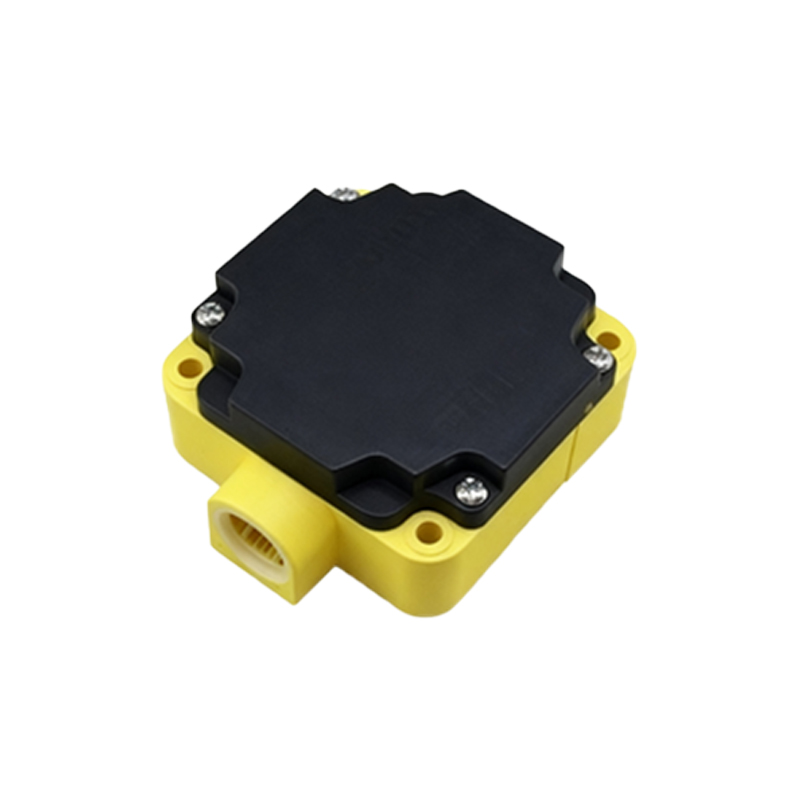
Following the visual check, the critical air gap between the sensor and its target must be measured with precision. This gap is specified by the aircraft manufacturer and is vital for correct operation. A gap that is too wide may prevent the sensor from detecting the target, while a gap that is too narrow risks physical contact during gear operation, leading to damage. Technicians use feeler gauges to verify this measurement, adjusting the sensor's position if necessary, and then securely locking it in place.
Functional testing is the next phase. This often involves manually cycling the landing gear—following strict safety procedures, including jacking the aircraft—while monitoring the sensor's output. Using specialized avionics test equipment or the aircraft's built-in test system, technicians verify that the sensor provides a clear and correct signal for both the "gear up" and "gear down" positions. Any sluggish response, failure to trigger, or intermittent signal indicates a faulty sensor that requires replacement.
Environmental factors pose significant challenges to sensor reliability. These components are exposed to extreme conditions: temperature fluctuations from high-altitude cold to tarmac heat, hydraulic fluid contamination, water spray, and de-icing chemicals. Seals and gaskets must be intact to protect the internal electronics. During inspection, particular attention is paid to the connector seals and the integrity of the potting material inside the sensor body.
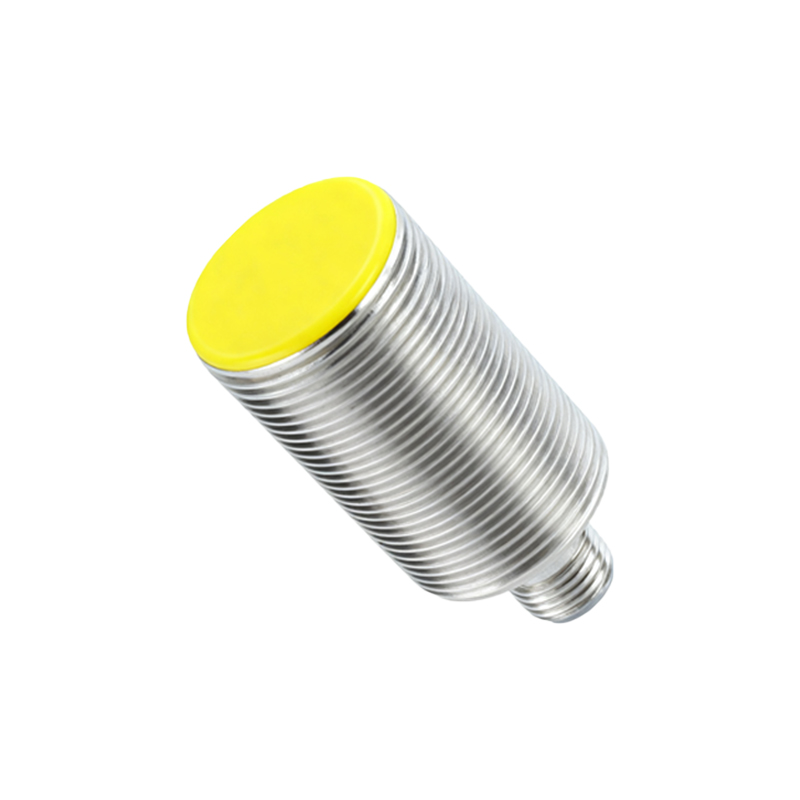
When a sensor fails, troubleshooting follows a logical sequence. It begins with confirming the fault through the aircraft's central maintenance computer or flight deck effects. Technicians then isolate the problem, determining whether the issue lies with the sensor itself, the wiring to the aircraft's systems, or the associated computer modules. Simple resistance or voltage checks, as outlined in the aircraft maintenance manual (AMM), can often pinpoint a failed sensor. Replacement must be done with a certified part, and the system must be retested comprehensively after installation.
Advancements in technology are shaping the future of landing gear proximity sensing. Newer aircraft models are incorporating more robust, digital "smart sensors" with built-in health monitoring capabilities. These can communicate detailed status information, predicting potential failures before they occur and moving maintenance from a scheduled interval to a more efficient on-condition basis. However, the fundamental inspection principles—verifying physical condition, alignment, and electrical function—remain essential for the vast fleet of aircraft currently in service.
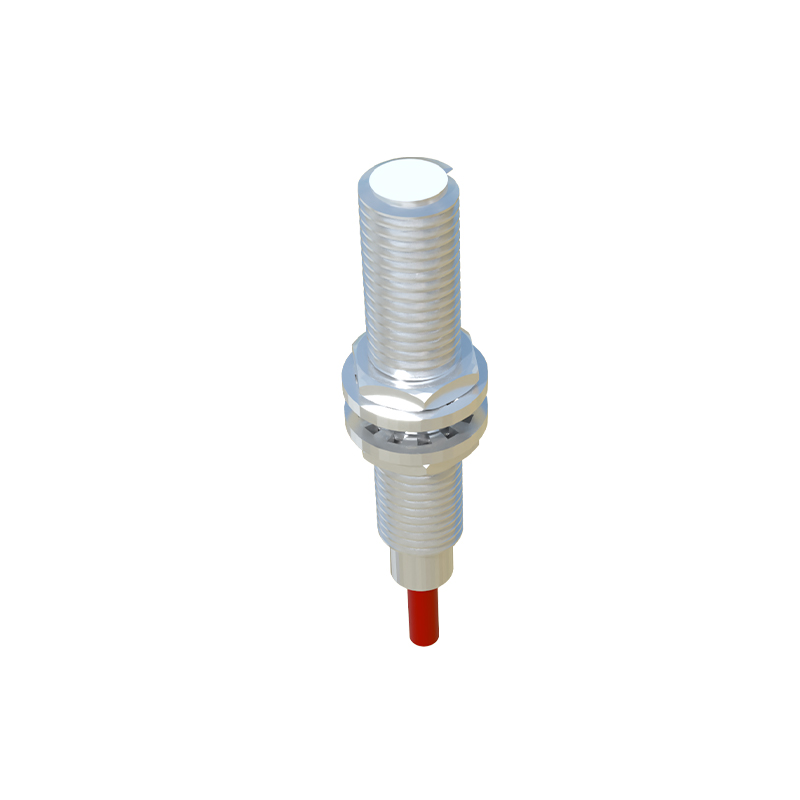
In conclusion, the humble proximity sensor plays an outsize role in aviation safety. Its inspection is not a mere checkbox item but a detailed engineering task requiring technical knowledge, precise tools, and meticulous attention to detail. A disciplined approach to inspecting and maintaining these sensors directly contributes to the unwavering reliability and safety of every flight, ensuring that pilots receive unambiguous confirmation that their aircraft is ready for landing or cruising safely en route.