In the world of industrial automation, robotics, and smart devices, the ability to detect the presence or absence of a metallic object without physical contact is fundamental. This capability is provided by proximity metal sensors, a critical class of non-contact sensing devices. Unlike simple mechanical switches, these sensors offer reliability, longevity, and precision in demanding environments.
At their core, proximity metal sensors operate on the principle of electromagnetic induction. The sensor generates a high-frequency oscillating electromagnetic field from its active face. When a metallic target enters this field, eddy currents are induced on the surface of the metal. These currents draw energy from the oscillator circuit within the sensor, causing a measurable change in its amplitude or frequency. This change is detected by the sensor's internal circuitry, which then triggers a solid-state output switch, signaling the presence of the target. The sensing distance, or "switching distance," is a key specification and is standardized for different sensor sizes and target materials.
There are several primary types of proximity sensors used for metal detection. Inductive proximity sensors are the most common, effective for detecting all metals, though with varying sensitivity—typically highest for ferrous metals like steel and iron, and lower for non-ferrous metals like aluminum or copper. Capacitive proximity sensors can detect both metals and non-metals by sensing changes in capacitance, but they are widely used for metallic targets in specific applications. A specialized variant, the all-metal inductive sensor, is designed to have a nearly identical sensing range for all types of metals, a crucial feature for applications where target material may vary.
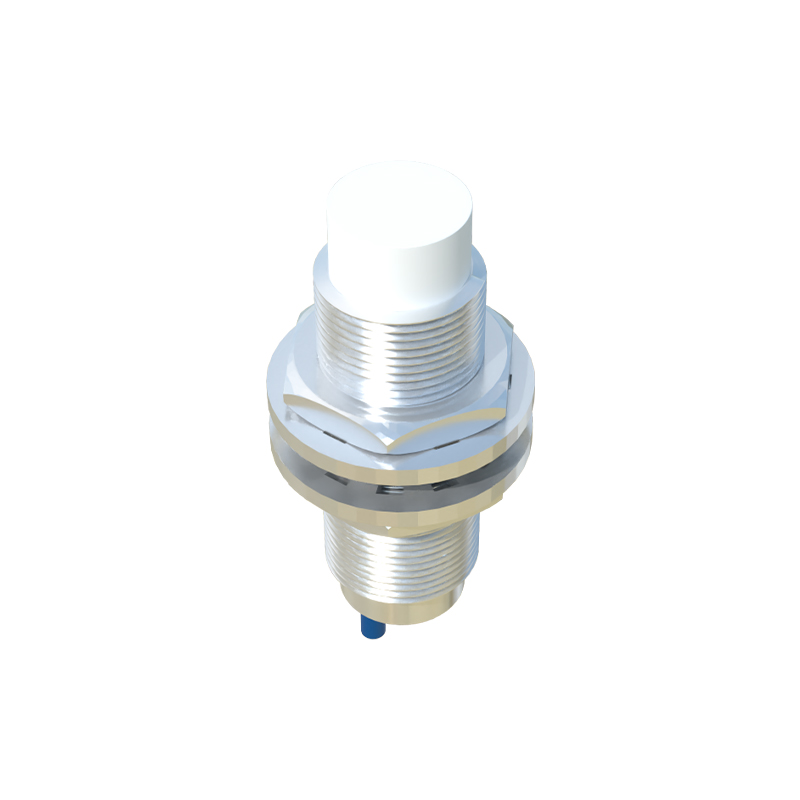
The applications for these sensors are vast and integral to modern manufacturing. On automated assembly lines, they count products, verify part placement, and control robotic arm movements. In machine tools, they serve as end-position limit switches for cylinders or slides, preventing over-travel and damage. They are essential in material handling for detecting the position of metal pallets, containers, or elevators. Safety systems employ them as interlock sensors on guards and doors to ensure machinery only operates when access panels are securely closed. Beyond heavy industry, they are found in everyday consumer devices, such as detecting when a smartphone flip cover is closed or a laptop lid is shut.
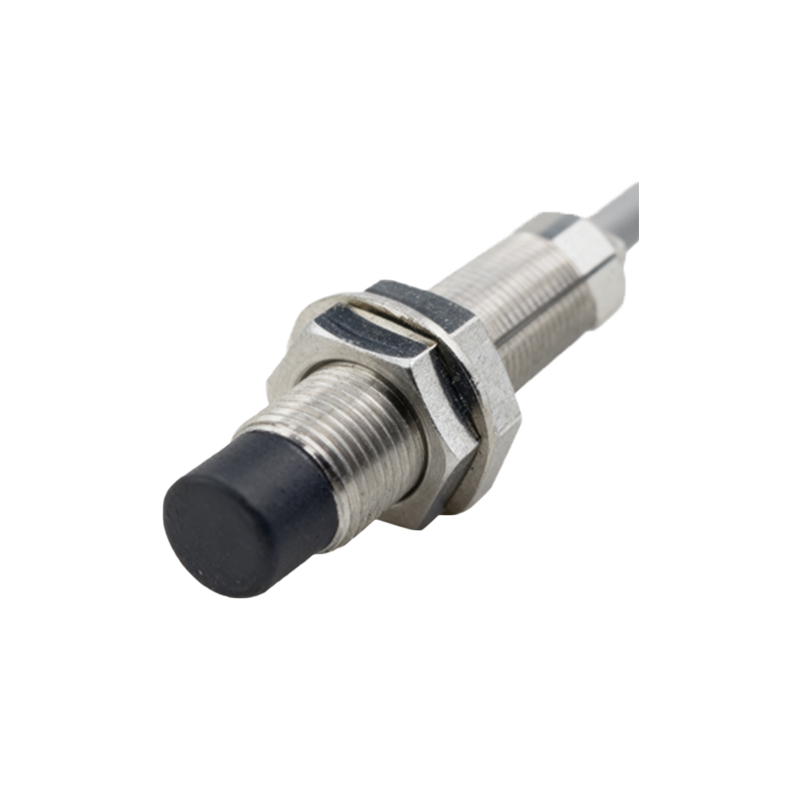
Selecting the right proximity metal sensor requires careful consideration of several parameters. The operating distance must be chosen with a safety margin, typically 70-80% of the rated nominal range, to account for temperature fluctuations and manufacturing tolerances. The target material and size also influence performance; a standard sensor requires a target larger than its sensing face for the rated range. Environmental factors are critical: sensors are rated with an Ingress Protection (IP) code for dust and water resistance. For harsh environments involving coolants, oils, or welding spatter, sensors with high IP ratings (e.g., IP67, IP69K) and often made of stainless steel housings are necessary. The electrical output type (NPN sinking, PNP sourcing, or analog) must be compatible with the control system (PLC). Finally, physical characteristics like housing shape (barrel, rectangular, or ring-shaped), size, and mounting style (flush or non-flush) are determined by the installation space and requirements.
Installation and maintenance practices significantly impact sensor lifespan and reliability. Electrical noise from motors or welding equipment can cause false triggering; proper shielding, using twisted-pair cables, and maintaining distance from power lines are standard mitigation techniques. Sensors with similar operating frequencies should be spaced apart to prevent mutual interference. For flush-mounted cylindrical sensors, the surrounding metal mounting bracket must be non-ferrous to avoid reducing the effective sensing range. While these sensors are known for their durability, periodic checks for physical damage, buildup of metallic debris on the sensing face, and verification of the switching signal are recommended as part of preventive maintenance.
The future of proximity sensing continues to evolve. Integration with Industrial Internet of Things (IIoT) platforms is a growing trend, where sensors not only provide a simple on/off signal but also diagnostic data about their own health and performance. Miniaturization allows for their use in increasingly compact machinery and consumer electronics. Furthermore, advancements in materials and circuitry are leading to sensors with longer ranges, higher switching frequencies, and greater resistance to extreme temperatures and electromagnetic interference.
In conclusion, proximity metal sensors are indispensable components that provide the essential "eyes" for countless automated systems. Their non-contact operation, robustness, and versatility make them a superior choice over mechanical limit switches. A thorough understanding of their operating principles, types, and key selection criteria enables engineers and technicians to deploy them effectively, ensuring reliable operation, enhanced safety, and optimized productivity across a diverse spectrum of industrial and commercial applications.