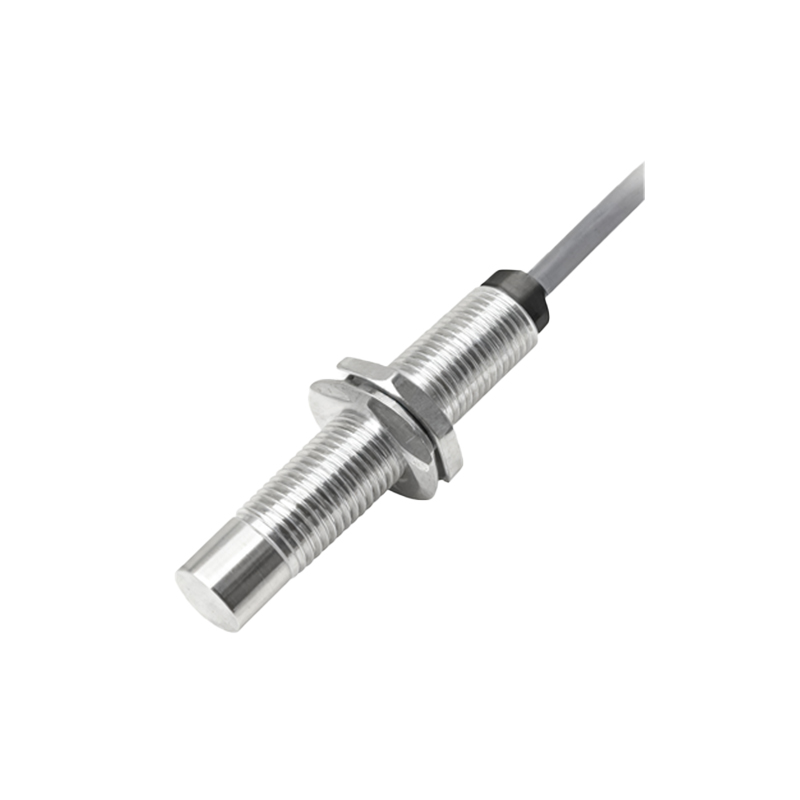
In the rapidly evolving landscape of industrial automation, automotive systems, and consumer electronics, the demand for reliable sensing technology in challenging environments has never been higher. Waterproof proximity sensors stand at the forefront of this demand, enabling precise non-contact detection in conditions where moisture, dust, and other contaminants are prevalent. These specialized sensors utilize various technologies, including inductive, capacitive, and ultrasonic principles, to detect the presence or absence of an object without physical contact. Their sealed construction, often meeting ingress protection ratings like IP67, IP68, or IP69K, ensures consistent performance in washdown areas, outdoor applications, food and beverage processing, and marine settings.
The market for these critical components is driven by several key players, each contributing unique expertise and product portfolios. Established multinational corporations like Sick AG, Omron Corporation, and Balluff GmbH have long been recognized for their high-precision, rugged sensors designed for heavy industrial use. These companies invest heavily in research and development, pushing the boundaries of sensing range, response time, and housing materials to withstand extreme pressures and temperatures. Their products are integral to automated assembly lines, robotic guidance systems, and safety interlocks where failure is not an option.
Alongside these giants, specialized manufacturers such as Pepperl+Fuchs and ifm electronic have carved out significant niches. Pepperl+Fuchs, for instance, is renowned for its expertise in explosion-proof and corrosion-resistant sensors crucial for chemical and pharmaceutical industries. ifm electronic emphasizes ease of integration and advanced diagnostics, offering sensors with IO-Link communication that provide valuable process data beyond simple detection. This trend towards smart, networked sensors is a major innovation, allowing for predictive maintenance and tighter process control.
Emerging applications are also shaping the industry. The rise of autonomous mobile robots (AMRs) and agritech requires proximity sensors that can operate reliably in unpredictable, wet conditions. Companies like Turck and Banner Engineering are responding with compact, multi-functional sensors that combine proximity sensing with other features like background suppression for improved accuracy. In the consumer space, the integration of waterproof proximity sensors in smartphones and wearable devices for touchless gesture control is a testament to the technology's miniaturization and falling costs, driven by semiconductor firms and specialized component suppliers.
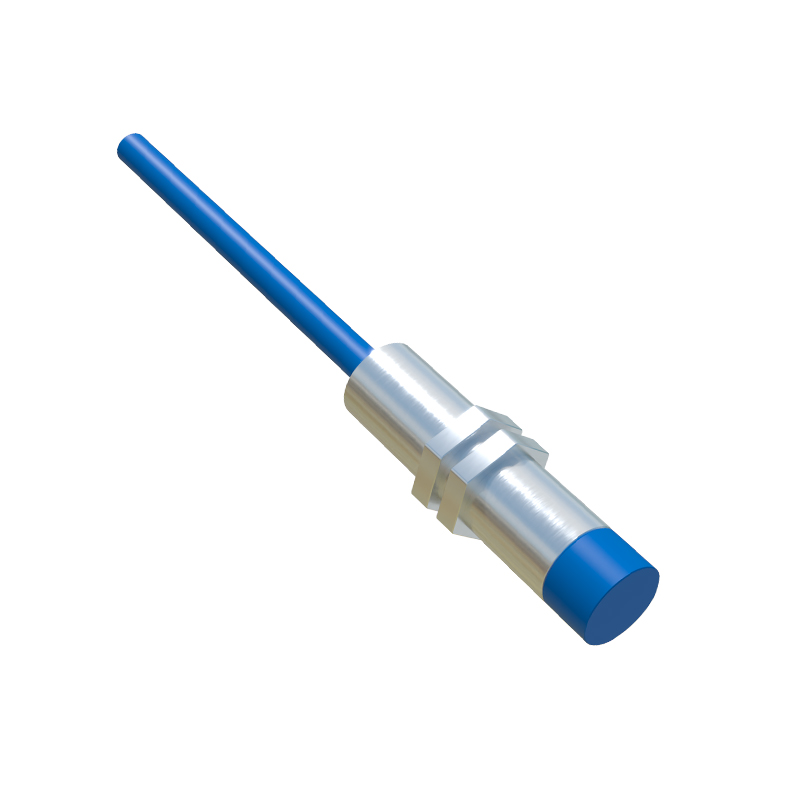
Choosing the right waterproof proximity sensor company depends on a thorough assessment of application requirements. Key considerations include the sensing distance needed, the material of the target object (metal, plastic, liquid), the required speed of detection, and the specific environmental hazards (e.g., high-pressure cleaning, saltwater exposure). Leading companies provide extensive technical support, configuration tools, and customization options to meet these diverse needs. Furthermore, adherence to international standards for quality, safety, and environmental compliance is a hallmark of a reputable supplier.
The future of waterproof proximity sensing is intertwined with Industry 4.0 and the Industrial Internet of Things (IIoT). Next-generation sensors are becoming more intelligent, energy-efficient, and capable of seamless communication within larger digital ecosystems. Manufacturers are focusing on enhancing durability while reducing unit size and power consumption. As industries continue to automate and seek greater operational resilience, the role of reliable waterproof proximity sensor companies will only expand, solidifying their position as essential enablers of modern, efficient, and safe technological operations across the globe.