In the automated landscape of modern industry, inductive proximity sensors serve as the silent, reliable sentinels. These non-contact devices detect the presence or absence of metallic objects, forming the backbone of countless applications from assembly line positioning and robotic guidance to machine safety and inventory counting. The performance and reliability of these sensors are paramount, making the choice of an inductive proximity sensor supplier a critical strategic decision for OEMs and system integrators. This decision extends far beyond simple price comparison; it involves a deep evaluation of technical capability, quality assurance, and partnership potential.
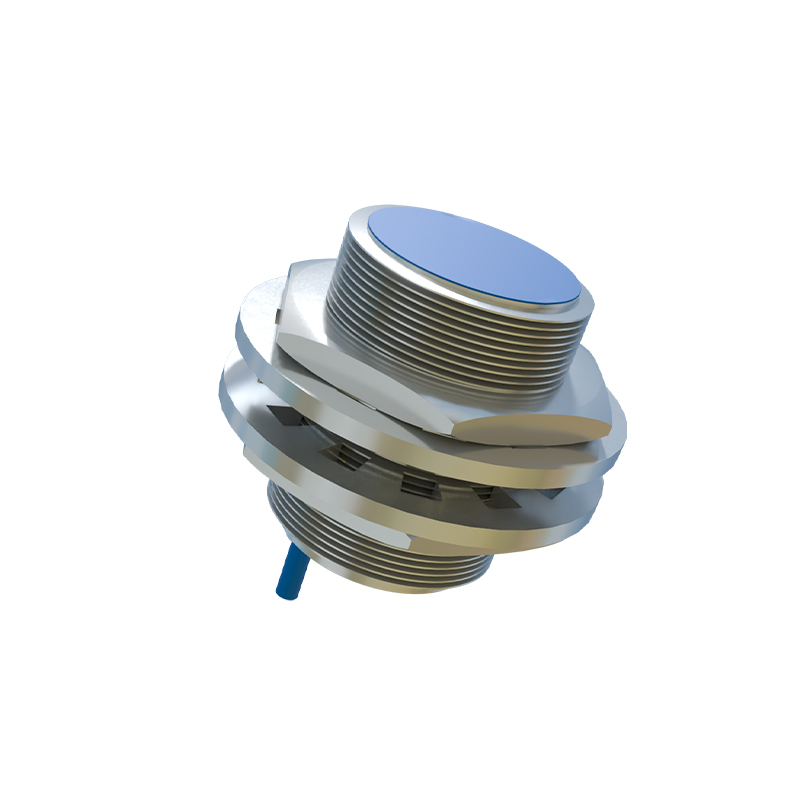
The foundation of a superior supplier lies in their core engineering and manufacturing prowess. A reputable supplier doesn't just assemble components; they possess in-depth expertise in coil design, oscillator circuit stability, and housing integrity. This technical mastery translates into sensors with exceptional characteristics: long sensing distances relative to their size, high switching frequencies for rapid detection, and robust immunity to electromagnetic interference (EMI). Furthermore, leading manufacturers offer extensive product families. This includes shielded and unshielded variants, different housing materials like nickel-plated brass or stainless steel for corrosive environments, and a wide range of form factors (cylindrical, rectangular, ring-shaped) and connection types (pre-wired, quick-disconnect). This breadth ensures you can find a precise fit for your specific mechanical and electrical requirements without compromising performance.
Quality and reliability are non-negotiable. The best suppliers adhere to stringent international standards such as IEC 60947-5-2 and possess relevant certifications (e.g., ISO 9001 for quality management, ATEX/IECEx for hazardous areas). Their manufacturing processes should incorporate rigorous testing at multiple stages, including temperature cycling, vibration resistance, and ingress protection (IP67/IP69K) validation. Consistency is key; every sensor from a production batch must perform identically, ensuring predictable behavior in your machinery. A supplier's commitment to quality is often reflected in their mean time between failure (MTBF) data and the warranties they offer.
Beyond the product itself, the value of a supplier is heavily influenced by their technical support and service ecosystem. Effective partners provide comprehensive, easily accessible documentation: detailed datasheets, 2D/3D CAD models for seamless integration into design software, and clear application notes. Their engineering support teams should be responsive and knowledgeable, capable of assisting with selection, troubleshooting, and custom solution development for unique challenges. A global or well-established distribution and logistics network is equally crucial. It guarantees reliable supply chain continuity, reduces lead times, and ensures local availability for replacement needs, minimizing costly machine downtime.
Finally, consider the supplier's vision and adaptability. The industrial world is evolving with trends like Industry 4.0 and the Industrial Internet of Things (IIoT). Forward-thinking suppliers are innovating by integrating smart features into inductive sensors, such as IO-Link communication. This digital interface allows for parameter setting, condition monitoring (e.g., alerting on mounting misalignment or buildup), and seamless data integration into higher-level control systems, enabling predictive maintenance. Choosing a partner invested in such innovation future-proofs your applications.
In conclusion, selecting an inductive proximity sensor supplier is a multifaceted process. Prioritize partners who demonstrate proven technical expertise, an uncompromising commitment to quality and consistency, and a robust support infrastructure. The ideal supplier acts not as a mere vendor, but as a collaborative partner dedicated to providing reliable, high-performance components and the expertise to implement them successfully, thereby enhancing the efficiency, safety, and intelligence of your industrial operations.