In the realm of industrial automation, robotics, and smart devices, proximity sensor ports serve as the critical juncture where sensing technology meets system intelligence. These specialized interfaces are far more than simple connection points; they are engineered gateways that facilitate communication, power delivery, and signal integrity for non-contact detection devices. Understanding their function, types, and implementation is essential for engineers, technicians, and system integrators aiming to build reliable and efficient automated systems.
A proximity sensor port is the physical and electrical interface on a controller, programmable logic controller (PLC), input/output (I/O) module, or dedicated amplifier designed to receive the output signal from a proximity sensor. Proximity sensors themselves are devices that detect the presence or absence of an object within a specified range without physical contact, commonly using inductive, capacitive, or ultrasonic principles. The port's primary role is to provide a secure connection and interpret the sensor's state—typically a simple ON/OFF signal—into a usable logic level for the control system.
The design and specification of these ports vary significantly based on the sensor technology and system requirements. For DC-powered sensors, which are the most common, ports are often categorized by their wiring configuration: PNP (sourcing) or NPN (sinking). A PNP-type port expects to receive a positive voltage signal from the sensor when an object is detected, while an NPN-type port expects the sensor to sink current to ground. Mismatching sensor and port types is a frequent installation error that leads to system malfunction. Modern universal ports or configurable I/O modules can often accept both types, offering greater flexibility.
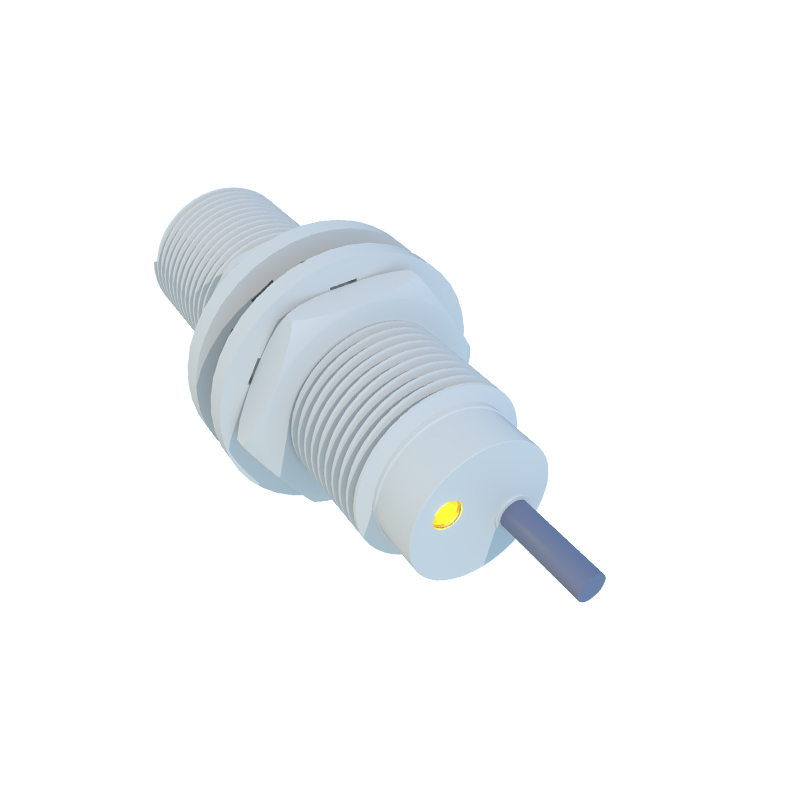
Beyond the basic PNP/NPN distinction, ports are characterized by their electrical specifications. Key parameters include operating voltage range (e.g., 10-30 VDC), maximum load current, off-state leakage current, and response time. The physical connector type is equally crucial. Common industrial standards include the robust M8 (4-pin or 3-pin) and M12 (4-pin) circular connectors, which provide environmental sealing against dust and moisture, as per IP67 ratings. Some legacy or specific systems may use terminal blocks, subminiature (SME) connectors, or even integrated cable glands.
Integrating a proximity sensor into a system involves more than just plugging it in. Proper connection ensures longevity and noise immunity. Shielded cables are recommended for long runs or electrically noisy environments, with the shield grounded at the controller end only. Attention must be paid to wire gauge for voltage drop over distance. Furthermore, many ports on advanced PLCs or amplifiers offer diagnostic capabilities, such as short-circuit protection, open-wire detection, and LED status indicators, which are invaluable for troubleshooting.
The applications of proximity sensor ports span virtually every industry. In automotive manufacturing, arrays of inductive sensors connected to high-speed ports count parts on assembly lines or verify robot end-effector positions. In packaging machinery, capacitive sensor ports detect levels of liquid or powder through non-metallic containers. In material handling, ultrasonic sensor ports on logistics controllers manage pallet positioning without contact. The reliability of the entire sensing loop hinges on the integrity of this connection point.
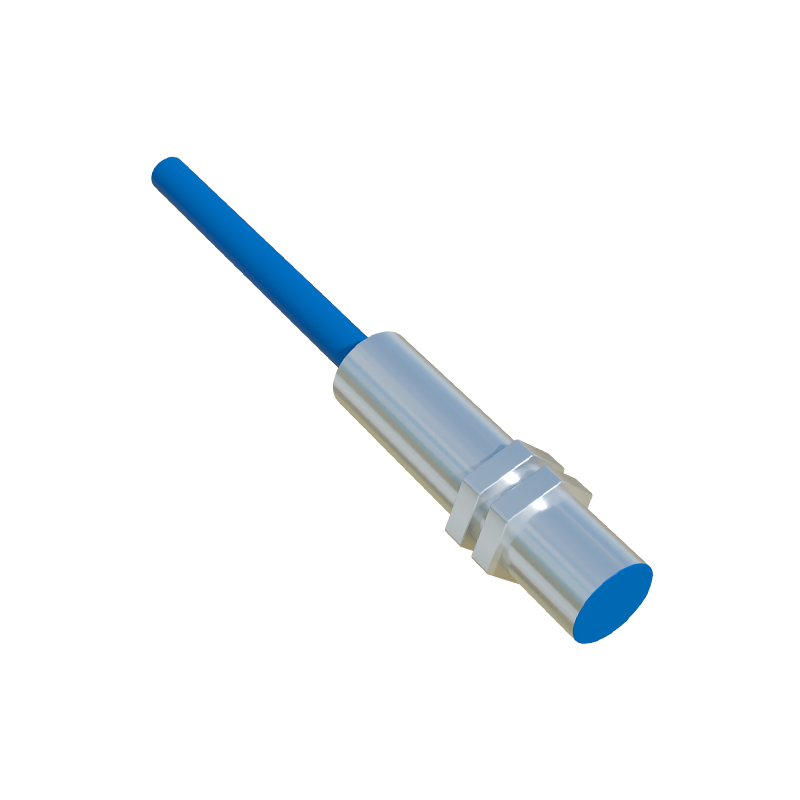
Selecting the right port involves a systematic approach. First, identify the sensor's output type (PNP/NPN) and required supply voltage. Next, match the connector form factor. Then, ensure the controller's port specifications align with the sensor's current draw and switching frequency. For harsh environments, confirm the ingress protection (IP) rating of both the sensor and the port connector. Finally, consider future maintenance; quick-disconnect ports can significantly reduce downtime during sensor replacement.
As Industry 4.0 advances, proximity sensor ports are evolving. Smart ports with integrated IO-Link capability are becoming prevalent. IO-Link is a point-to-point serial communication protocol that transforms a standard digital port into a bi-directional data channel. Through an IO-Link port, a sensor can transmit detailed diagnostic data (like temperature, operating hours, or signal strength) beyond a simple switch signal, and parameters can be downloaded to the sensor remotely, enabling predictive maintenance and easier device replacement.
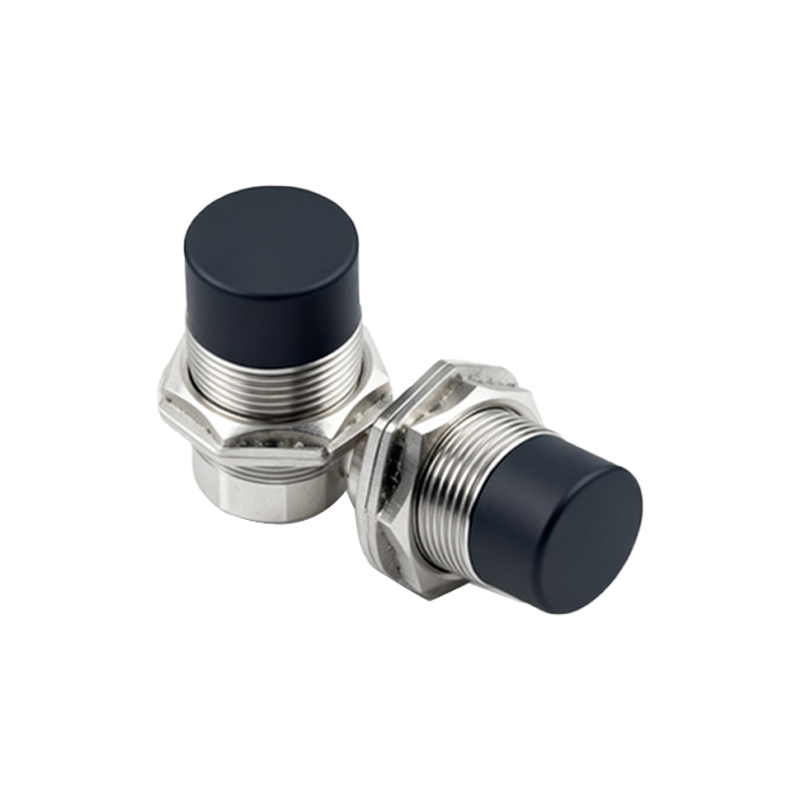
In conclusion, the proximity sensor port is a fundamental, yet sophisticated, component in automation architecture. Its correct selection and implementation form the bedrock of reliable object detection. By appreciating the nuances of wiring schemes, electrical specs, connector types, and emerging digital communication standards, professionals can ensure their sensing systems provide accurate, consistent data—turning physical presence into precise, actionable information for automated control.