In the realm of automation, robotics, and smart devices, proximity sensors are the silent sentinels, enabling machines to perceive and interact with their surroundings without physical contact. This review delves into the core performance metrics, accuracy considerations, and practical applications of modern proximity sensors, providing a clear guide for engineers, hobbyists, and procurement specialists.
The fundamental principle behind most proximity sensors involves emitting a field or beam of electromagnetic radiation (like infrared light or an electromagnetic field) and detecting changes in the return signal. The primary technologies dominating the market are Inductive, Capacitive, Ultrasonic, and Photoelectric sensors. Each has distinct strengths and optimal use cases.
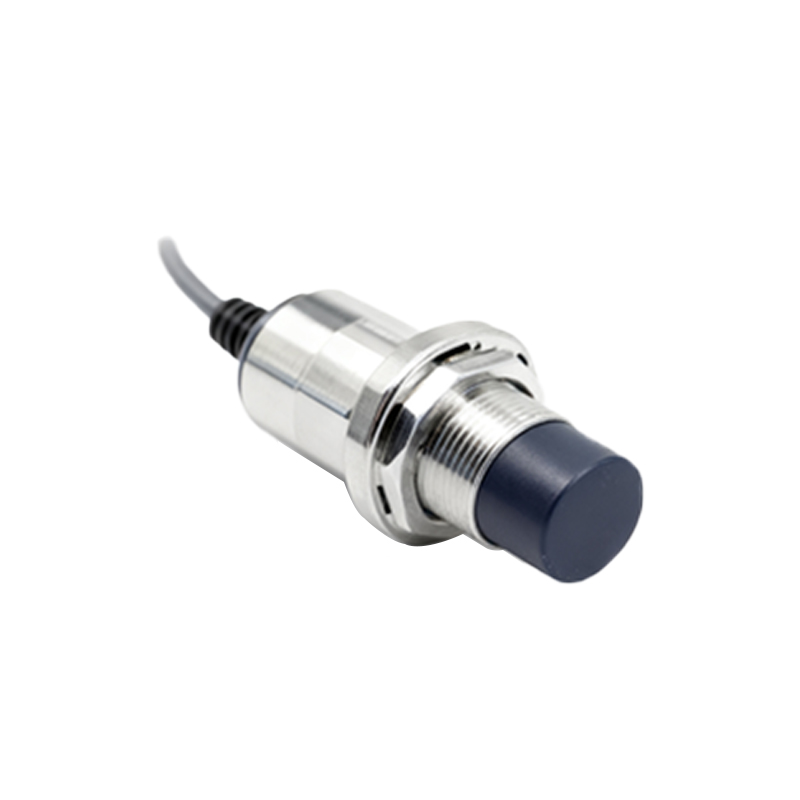
Inductive sensors are workhorses in industrial settings. They detect metallic objects only. Their performance is exceptional in harsh environments with oil, dust, or coolant. A key metric here is the rated operating distance, typically between 2mm and 60mm. Repeat accuracy, often within microns, is crucial for precise positioning on assembly lines. However, performance can vary with the type of metal; mild steel provides the best sensing distance, while aluminum or copper may reduce it by up to 40%. Shielding is another factor; shielded sensors can be flush-mounted in metal without issue, while unshielded types offer slightly longer ranges but require non-metallic surroundings.
Capacitive sensors, in contrast, can detect nearly any material—liquids, plastics, wood, granules, and metals. They function by detecting changes in capacitance caused by the target object. This makes them ideal for level detection in tanks (e.g., monitoring fluid or powder levels through a non-metallic container wall) or detecting non-metallic objects on conveyor belts. Their sensitivity is often adjustable via a potentiometer, allowing tuning to ignore certain background materials. A common challenge is false triggering from environmental humidity or condensation, which requires careful installation and shielding.
Ultrasonic sensors use sound waves beyond human hearing. They measure the time-of-flight of an emitted sound pulse bouncing off a target. Their major advantage is a long sensing range, from a few centimeters up to several meters, and they are largely unaffected by target color, transparency, or material (though soft, absorbent materials can be problematic). They excel in applications like parking assistance, bulk material level sensing in silos, and object detection on AGVs (Automated Guided Vehicles). Critical performance aspects include the beam angle (a narrower beam offers more precise detection) and resistance to acoustic noise from other devices.
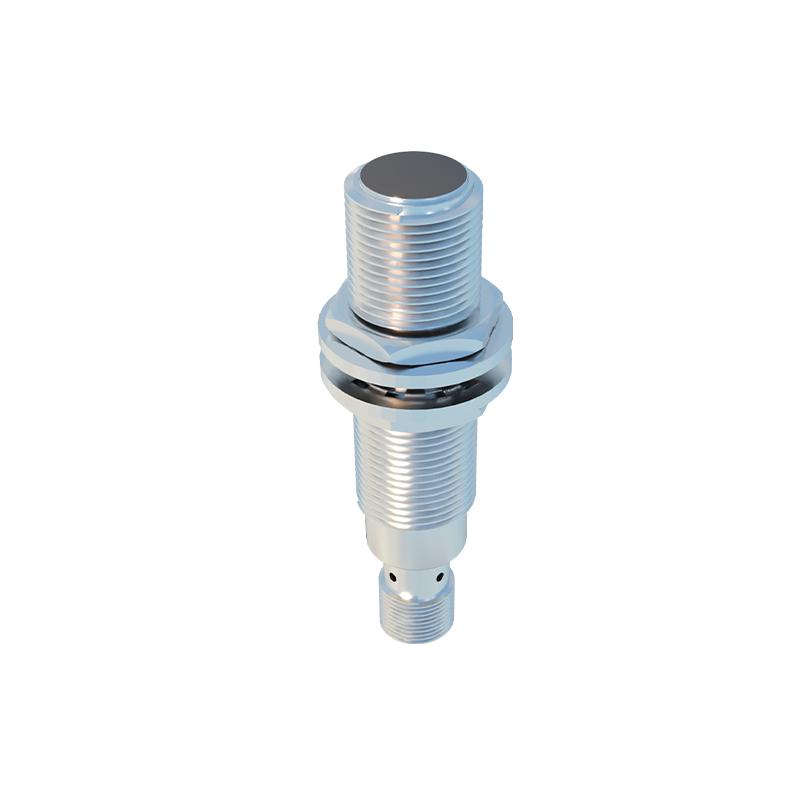
Photoelectric sensors, particularly diffuse-reflective types with background suppression, are highly relevant for proximity detection. They emit a light beam (usually infrared or laser) and detect its reflection from an object. Advanced models can be programmed to only recognize objects within a specific "window" of distance, ignoring backgrounds beyond that point. This is invaluable for precise positioning, such as detecting the presence of a component at a specific point on a conveyor, regardless of its color or reflectivity to some degree. Response time is exceptionally fast, making them suitable for high-speed counting applications.
Accuracy and reliability are paramount. Factors influencing accuracy include temperature fluctuations (most sensors specify an operating temperature range), voltage supply stability, and target characteristics (size, shape, surface properties). For instance, a small, dark object may be harder for a photoelectric sensor to detect than a large, light one. Environmental contaminants like dust can coat lenses or sensing faces, degrading photoelectric and ultrasonic performance. Regular maintenance and selecting sensors with appropriate IP (Ingress Protection) ratings are essential for long-term reliability.
Real-world application testing reveals nuances. In an automotive assembly plant, inductive sensors reliably detect metal engine blocks on a pallet. In a food packaging facility, capacitive sensors ensure plastic bottles are filled to the correct level. An ultrasonic sensor on a warehouse robot helps it navigate and avoid collisions. A photoelectric sensor with background suppression precisely detects individual blister packs on a high-speed pharmaceutical line.
When selecting a proximity sensor, the decision tree is clear: First, identify the target material. For metals only in dirty environments, choose inductive. For nearly any material, especially through containers, choose capacitive. For long-range detection of most solids, choose ultrasonic. For very fast, precise positional detection of objects, choose a photoelectric with background suppression. Second, consider the required sensing distance and install the sensor accordingly, typically at 70-80% of its rated range for a safety margin. Third, evaluate the environmental conditions—temperature, potential contaminants, and electrical noise.
In conclusion, no single proximity sensor technology is universally superior. The "best" sensor is the one most precisely matched to the specific application requirements. Understanding the core operating principles, key performance limitations, and environmental constraints of each type is the foundation for implementing a robust, reliable, and efficient sensing solution. As IoT and Industry 4.0 evolve, these sensors continue to be fundamental components