Understanding the cost of human proximity sensors is crucial for engineers, procurement specialists, and business owners integrating these devices into security systems, automated lighting, smart appliances, or industrial equipment. The price of a human proximity sensor is not a fixed number; it varies dramatically based on technology, performance, and application. This guide provides a comprehensive breakdown of the factors influencing price and offers a realistic look at current market rates.
The core technology behind the sensor is the primary cost driver. The most common types are Passive Infrared (PIR), Ultrasonic, Microwave (Radar), and Capacitive sensors. Basic, standalone PIR sensors, widely used in motion-activated lights or simple security alarms, are the most affordable. Prices for these can range from as low as $2 to $15 per unit in bulk OEM quantities. They detect movement based on infrared radiation but cannot gauge exact distance or presence without movement.
For applications requiring static presence detection or precise distance measurement, more advanced technologies are needed. Ultrasonic sensors, which measure the time-of-flight of sound waves, offer good performance for indoor applications. Their prices typically range from $10 to $50 per unit. Microwave (Radar) sensors, particularly the newer mmWave radar sensors, can detect subtle motions like breathing and work through non-metallic materials. These are significantly more expensive, with prices often starting from $20 and going up to $100 or more for high-precision, industrial-grade modules. Capacitive sensors, used for touchless interfaces or very close-range detection, generally fall in the $15 to $40 range.
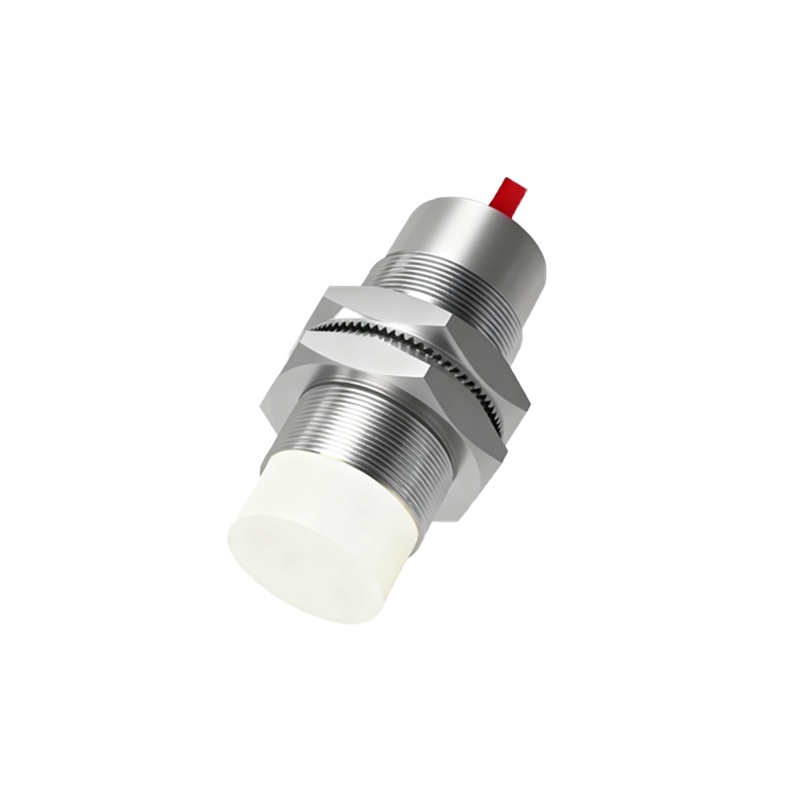
Beyond the core sensing element, features and specifications heavily impact the final price. Detection range is a major factor. A sensor with a 5-meter range will cost less than an identical-technology sensor rated for 15 meters. The field of view (wide-angle vs. narrow beam) also adjusts the cost. Output type is another key consideration. Sensors with simple digital (on/off) outputs are cheaper. Those with analog outputs (0-10V, 4-20mA) or digital communication interfaces (I2C, UART, Bluetooth, Wi-Fi) command higher prices due to added circuitry and protocol licensing. For instance, a smart human presence sensor with Wi-Fi and cloud connectivity can cost between $30 and $150, as it includes the sensor, microcontroller, and wireless module.
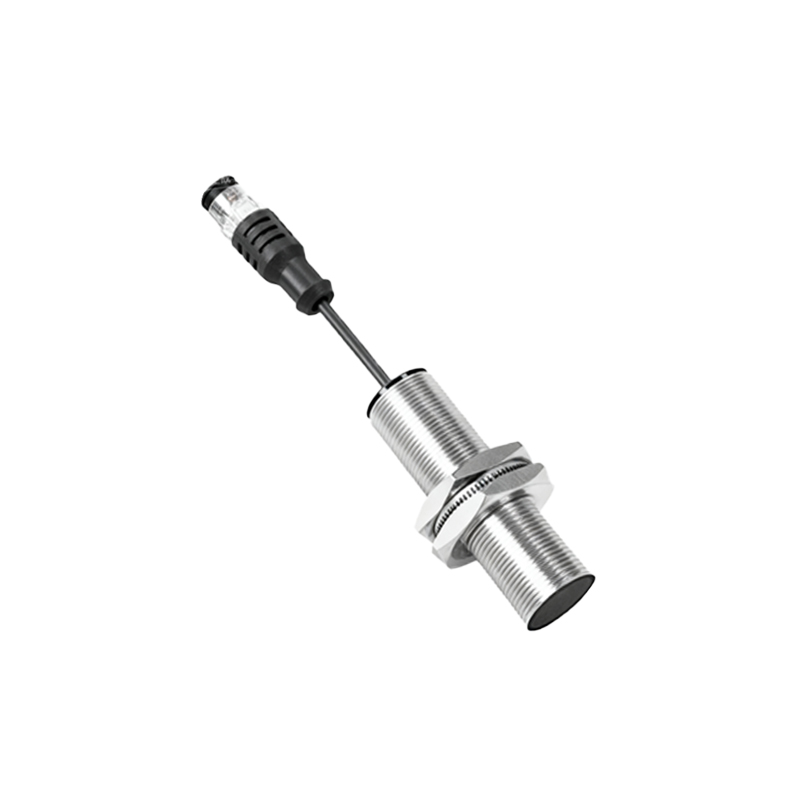
Environmental durability ratings, such as IP (Ingress Protection) codes for dust and water resistance, or extended temperature ranges, add to manufacturing costs. A commercial indoor sensor might have an IP20 rating, while an industrial sensor designed for harsh factories might require IP67 protection, increasing its price. Brand reputation and certification (like UL, CE, FCC) also contribute. Well-known brands with proven reliability and full certification often charge a premium over generic or unbranded alternatives found on marketplaces.
Packaging and form factor influence cost as well. A raw sensor component on a breakout board is cheaper than a fully enclosed, aesthetically designed product ready for end-user installation. Volume is the most significant purchasing factor. Buying a single sensor for a prototype might cost 5 to 10 times more per unit than purchasing 10,000 pieces for mass production. Most manufacturers offer substantial discounts for high-volume OEM contracts.
So, what are the actual price brackets? For hobbyists and prototyping, expect to pay $10 to $60 for a single module from electronics retailers. For small to medium business projects (ordering 100-1,000 units), prices per sensor can range from $8 to $40, depending heavily on specifications. For large-scale industrial or consumer electronics integration (10,000+ units), the price per sensor can be negotiated down to between $2 and $20, making the technology very economical at scale.
When requesting a quote from a supplier or manufacturer, be prepared to specify your exact requirements: technology type, detection range and angle, output signal, power supply, environmental conditions, and estimated annual volume. This clarity will ensure you receive an accurate and comparable price. Avoid choosing based on price alone. Consider total cost of ownership, including integration effort, reliability, and supplier support. A slightly more expensive sensor from a reputable supplier that works flawlessly will save money and headaches compared to a cheap unit that causes system failures or requires constant recalibration.
The market for human proximity sensing is evolving rapidly, with prices for advanced technologies like mmWave radar gradually decreasing as adoption increases. Investing time in a thorough needs analysis and supplier evaluation is the best strategy to secure optimal value and performance for your specific application.