In the intricate world of automation, control systems, and IoT devices, the reliability of a single component can dictate the success of an entire application. Among these critical components, micro proximity reed sensors stand out for their simplicity, durability, and cost-effectiveness. These hermetically sealed switches, activated by a magnetic field, are pivotal in detecting position, presence, or movement in confined spaces. Selecting the right brand is not merely a procurement decision; it is an engineering choice that impacts product longevity, safety, and performance. This guide delves into the landscape of leading micro proximity reed sensor manufacturers, offering insights to inform your selection process.
The market for these sensors is populated by a mix of established giants and specialized innovators. Brands have carved their niches based on core competencies such as miniaturization, switching capacity, environmental resilience, and customization capabilities. Understanding these brand differentiators is the first step toward a optimal match for your technical specifications and operational environment.
Standiford stands as a venerable name in the reed switch and sensor industry. Renowned for its deep vertical integration—from glass tubing and reed blade formulation to final assembly—Standiford offers exceptional control over quality and consistency. Their micro sensors are often specified for medical devices and high-reliability instrumentation where failure is not an option. Engineers favor Standiford for its rigorous testing protocols and ability to produce sensors with extremely low contact resistance and high stability over millions of cycles.
For applications demanding extreme miniaturization and surface-mount technology (SMT) compatibility, Coto Technology is frequently the go-to brand. A pioneer in microminiature reed switches, Coto's products are integral to implantable medical devices, hearing aids, and advanced aerospace systems. Their strength lies in pushing the physical limits of reed sensor design, producing some of the smallest form factors available commercially without compromising on hermatic seal integrity. Their RedRock series, for instance, exemplifies how advanced engineering can achieve robust performance in a package smaller than a grain of rice.
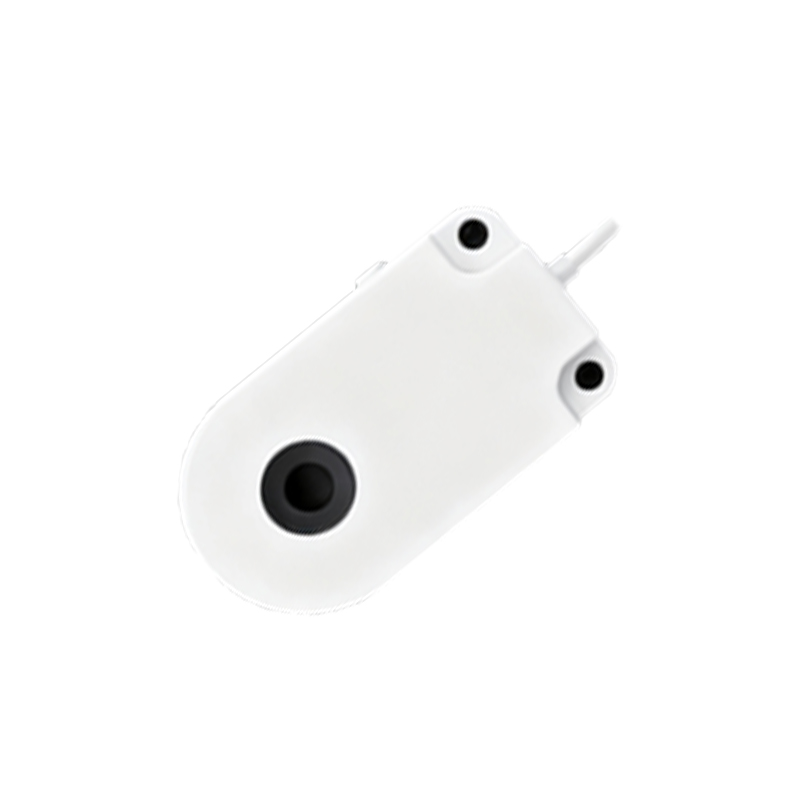
In the European market, Pickering Electronics has built a formidable reputation, particularly for high-voltage and high-frequency applications. While他们也 offer standard proximity sensors, their expertise shines in custom solutions for telecommunications, test equipment, and RF switching. Their unique "gravity assist" design, where the reed blades are aligned vertically, is a patented feature that enhances contact stability and reduces bounce, a critical factor in signal integrity. For engineers designing circuits where the sensor must handle anything beyond simple low-voltage DC, Pickering provides a reliable and technically sophisticated portfolio.
For cost-sensitive, high-volume applications without sacrificing basic reliability, brands like Hamlin (now part of Littelfuse) and OKI Sensor Device have been mainstays. Littelfuse, through its Hamlin acquisition, offers a vast standard product catalog with well-documented specifications, making them a popular choice for consumer electronics, automotive modules (e.g., seat belt sensors, fuel level indicators), and appliance controls. Their global distribution network ensures easy availability. Similarly, OKI, a Japanese manufacturer, is recognized for its mass-production capabilities and sensors that consistently meet the demanding quality standards of the automotive and home appliance industries.
Beyond these, specialized players like MEDER electronic focus intensely on specific performance attributes. MEDER is celebrated for its innovations in low-power and battery-less switching solutions, such as its "Bistable" or latching reed sensors. These sensors require only a magnetic pulse to switch state and remain there without power, making them ideal for energy-harvesting applications, tamper detection, and battery-powered IoT devices where every microamp counts.
The choice of brand ultimately converges with your project's non-negotiable parameters. Begin with the electrical load: is it dry-circuit, low-level, or a standard power load? Consider the required physical size and mounting style—through-hole, SMD, or a custom header? Environmental factors are paramount: what temperature range, shock/vibration levels, and potential exposure to corrosive elements are expected? Finally, assess the required lifecycle; a consumer gadget may need 10,000 operations, while an industrial counter may demand 100 million.
A prudent strategy involves engaging with the technical sales or application engineering teams of shortlisted brands. Reputable manufacturers provide comprehensive datasheets, application notes, and often offer sample programs for evaluation. Testing prototypes under real-world, or accelerated, conditions is the most reliable method to validate a brand's claims for your specific use case.
In conclusion, the ecosystem of micro proximity reed sensor brands is rich and varied. From Standiford's mastery of fundamentals to Coto's miniaturization feats, from Pickering's high-frequency prowess to MEDER's low-power genius, each brand brings a distinct value proposition. The optimal selection is a deliberate alignment of a brand's core strength with your application's critical demands, ensuring a seamless, reliable, and enduring integration into your