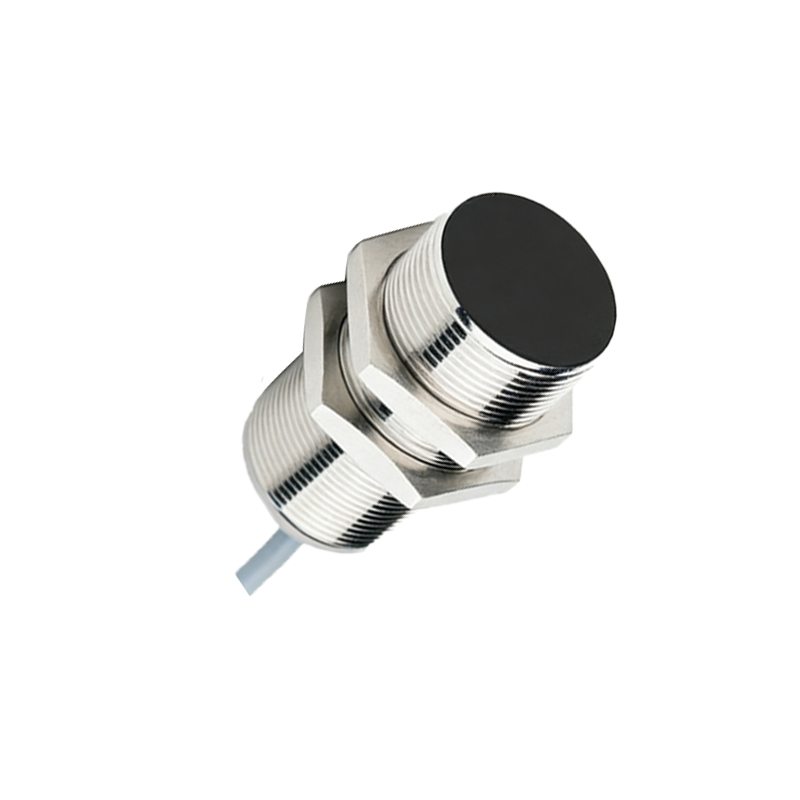
In today's highly automated industrial landscape, proximity sensors are indispensable components. They provide non-contact detection of objects, enabling precise control and safety in machinery, automotive assembly lines, packaging systems, and countless other applications. When sourcing these critical parts, the price of an original proximity sensor becomes a primary consideration for engineers, procurement specialists, and business owners. Understanding the factors that influence this pricing is key to making informed purchasing decisions.
The term "original" typically refers to sensors manufactured by the original equipment manufacturer (OEM) or authorized producers, as opposed to generic or aftermarket alternatives. The price disparity between original and compatible sensors can be significant, often justified by several core value propositions. First and foremost is reliability. Original sensors are built to exacting specifications and undergo rigorous quality control and testing protocols. This translates to consistent performance, longer operational lifespans, and reduced downtime—a critical factor where sensor failure can halt an entire production process, incurring costs far exceeding the sensor's price tag.
Another major price driver is technology and performance specifications. Inductive, capacitive, ultrasonic, and photoelectric proximity sensors each have different cost structures based on their sensing principles. Within each category, factors like sensing range, response time, housing material (e.g., stainless steel vs. plastic), ingress protection (IP) rating, and output type (PNP/NPN, analog, IO-Link) heavily influence the final price. A standard inductive sensor for detecting metal at short range will be considerably less expensive than a specialized analog-output sensor for precise distance measurement or a high-temperature variant designed for harsh environments.
Brand reputation is an undeniable factor in pricing. Established manufacturers like Siemens, Omron, Schneider Electric, Pepperl+Fuchs, and Balluff command a premium. This premium is not merely for the name; it encompasses extensive R&D, global technical support, comprehensive warranties, and proven interoperability within their automation ecosystems. For mission-critical applications, this brand assurance is often worth the additional investment.
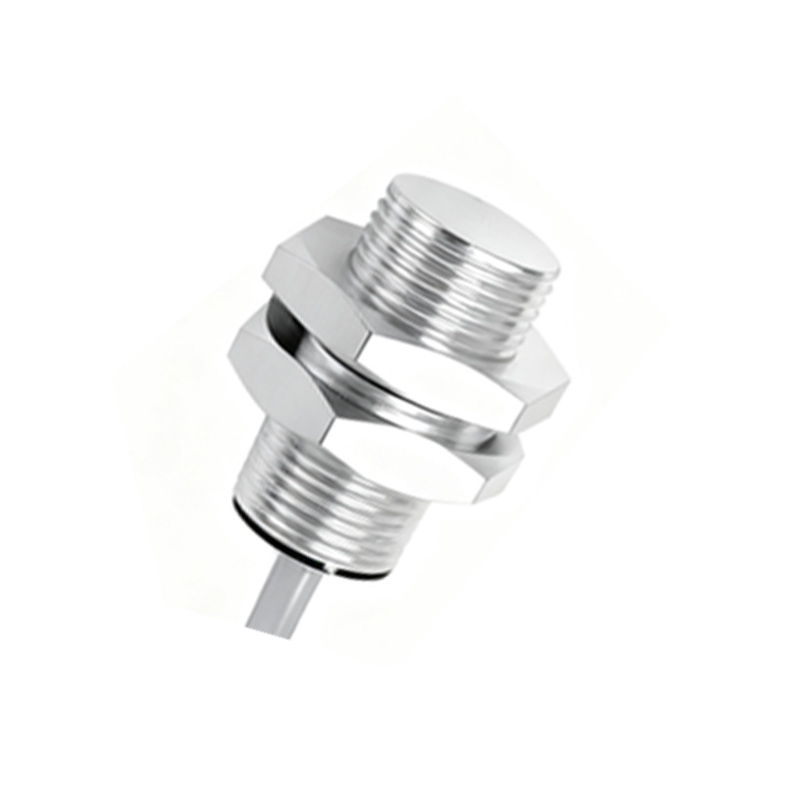
Market dynamics and supply chain conditions also play a crucial role. Global demand fluctuations, raw material costs (especially for metals and semiconductors), and logistical challenges can cause prices to vary over time. Purchasing volume is another critical aspect. Buying individual sensors will always carry a higher unit cost compared to bulk procurement agreements or framework contracts with distributors or directly from the manufacturer.
When requesting a quotation for an original proximity sensor, providing detailed specifications is essential for accuracy. Key information includes: manufacturer part number, sensing type, sensing distance, thread size or housing shape, supply voltage, output configuration, and required quantity. Approaching authorized distributors or direct sales channels is the best way to obtain legitimate quotes for original products. Online component marketplaces can offer price comparisons, but verifying the source's authorization is vital to avoid counterfeit parts.
In conclusion, the price of an original proximity sensor is a reflection of quality, reliability, advanced technology, and manufacturer support. While initial cost is important, a Total Cost of Ownership (TCO) analysis that factors in durability, maintenance needs, and production efficiency often reveals the superior long-term value of genuine components. Investing in original sensors is fundamentally an investment in the stability and productivity of your operational infrastructure.