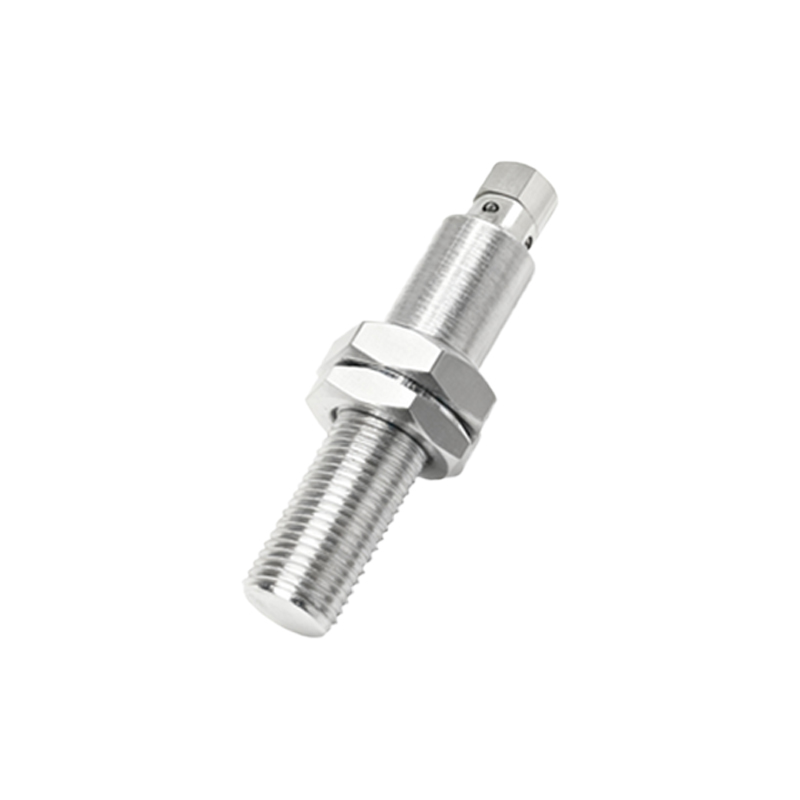
In the intricate world of industrial automation and smart device manufacturing, the role of the proximity sensor is both fundamental and critical. These non-contact devices detect the presence or absence of objects, enabling countless automated processes. However, the performance, longevity, and system integration of these sensors hinge significantly on one crucial decision: selecting the right OEM (Original Equipment Manufacturer) proximity sensor supplier. This choice transcends mere procurement; it is about forging a partnership that ensures precision, reliability, and innovation at the core of your operations.
An OEM supplier differs from a standard distributor or retailer. These suppliers design, engineer, and manufacture the sensors that are then integrated into another company's final product or system. They are the source, the origin point of the technology. Partnering with a reputable OEM supplier means accessing components built to exact specifications, with consistent quality control from the raw material stage to the finished unit. This direct line to the manufacturer eliminates intermediaries, reducing potential points of failure and ensuring traceability. For industries like automotive manufacturing, packaging, material handling, and consumer electronics, where sensor failure can lead to costly downtime or safety hazards, this reliability is non-negotiable.
The technical expertise offered by a leading OEM supplier is a primary advantage. These companies invest heavily in research and development to push the boundaries of sensing technology. Whether it's inductive sensors for detecting metals, capacitive sensors for non-metallic materials, or photoelectric sensors for longer ranges, a top-tier OEM possesses deep application knowledge. They can provide critical support in sensor selection—guiding on factors like sensing distance, response frequency, output type (PNP/NPN), and housing material (e.g., stainless steel for harsh environments). This collaborative engineering support helps optimize the sensor's performance within your specific application, preventing compatibility issues and enhancing overall system efficiency.
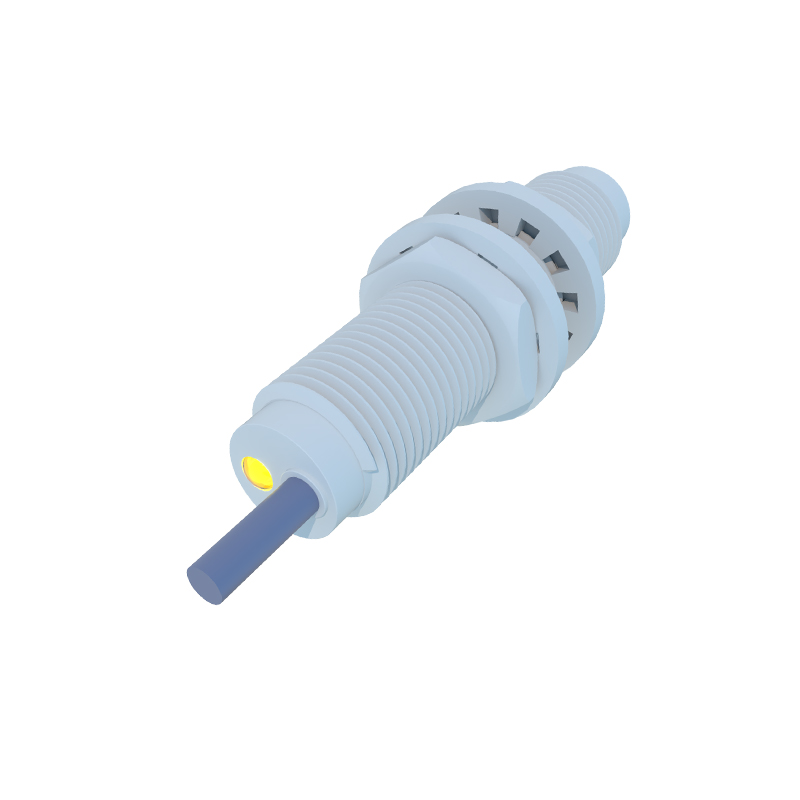
Quality assurance and certification are hallmarks of a trusted OEM proximity sensor supplier. Reputable suppliers adhere to stringent international standards such as ISO 9001 for quality management systems. Their products often carry specific certifications like IP67 or IP69K ratings for dust and water resistance, CE marking for the European market, or UL recognition for North America. This compliance is not just about market access; it's a testament to rigorous testing protocols for shock, vibration, temperature extremes, and electrical noise immunity. By sourcing from certified OEMs, you integrate a component with a proven pedigree of durability, reducing long-term maintenance costs and warranty claims.
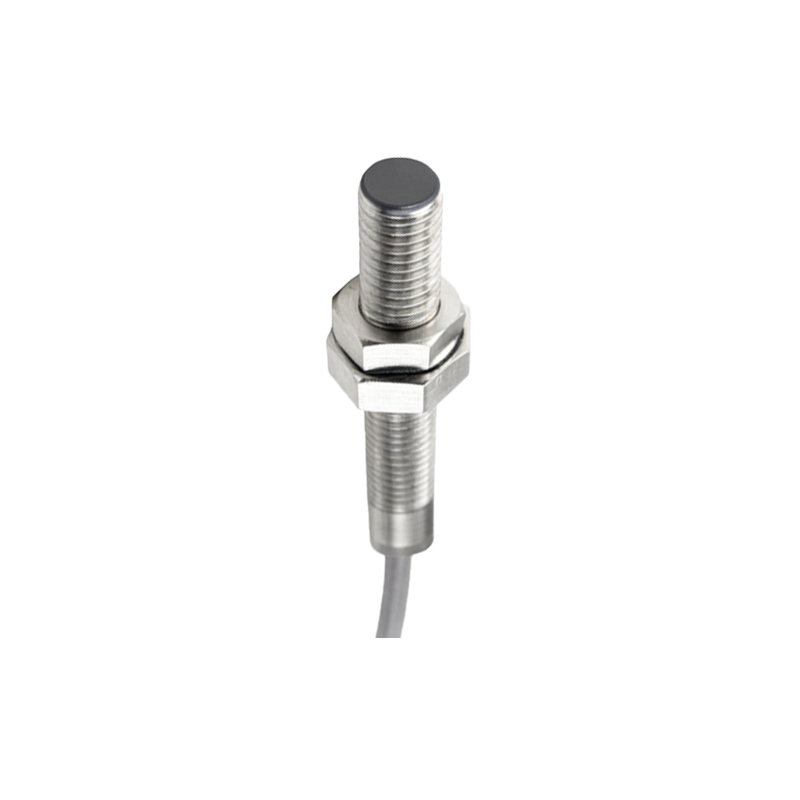
Beyond the product itself, the value proposition includes comprehensive logistical and supply chain stability. Established OEM suppliers have robust production capacities and inventory management systems to provide consistent supply, even during global market fluctuations. They offer flexible ordering options, from large-volume production runs to smaller batches for prototyping. Furthermore, their global distribution and technical support networks ensure that assistance is available wherever your operations are located, facilitating quicker troubleshooting and minimizing operational disruption.
In conclusion, the selection of an OEM proximity sensor supplier is a strategic decision with far-reaching implications for product quality and operational success. It is an investment in a partnership built on technical excellence, unwavering reliability, and shared commitment to innovation. In a landscape where precision and uptime are paramount, the right OEM supplier is not just a vendor but a foundational pillar supporting the seamless and intelligent automation of the future.