Circular proximity sensors are essential components in modern automation and industrial applications. These devices detect the presence or absence of objects without physical contact, making them ideal for harsh environments where durability and reliability are critical. If you're wondering where to purchase circular proximity sensors, this guide provides practical insights to help you make informed decisions.
First, identify your specific requirements. Circular proximity sensors come in various types, such as inductive, capacitive, and photoelectric sensors, each suited for different materials and conditions. Inductive sensors, for example, detect metallic objects, while capacitive sensors can handle non-metallic materials like liquids or plastics. Determine the sensing range, output type (e.g., NPN or PNP), and environmental factors like temperature or exposure to chemicals. This clarity will streamline your search and ensure compatibility with your application.
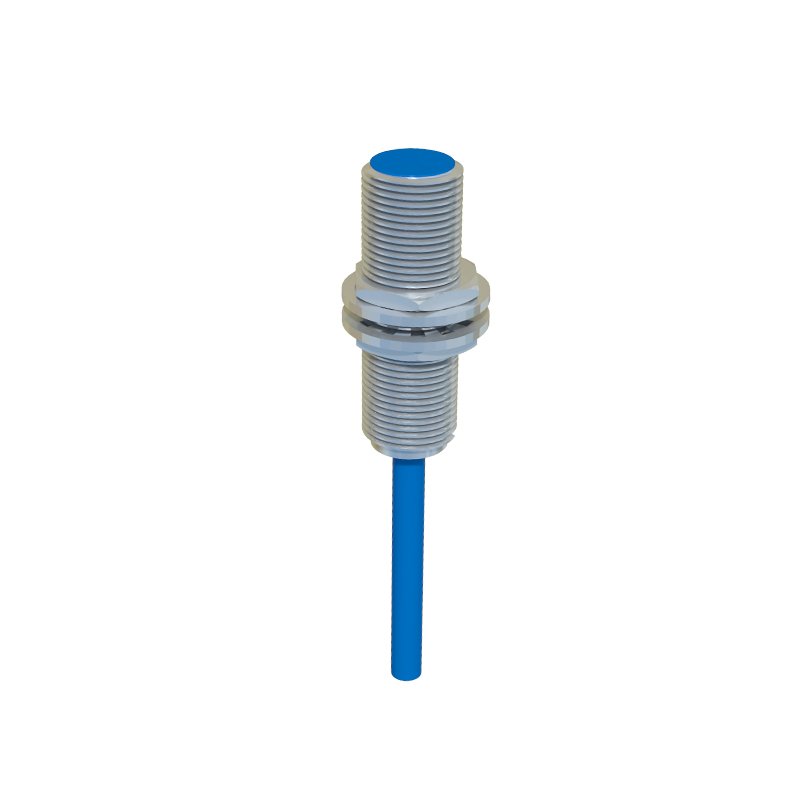
Once you have a clear specification, explore reputable suppliers. Major industrial automation distributors like Grainger, RS Components, and Digi-Key offer extensive catalogs of circular proximity sensors from leading brands such as Omron, Schneider Electric, and Siemens. These platforms provide detailed product descriptions, technical datasheets, and customer reviews, allowing you to compare options easily. Additionally, they often stock inventory for quick shipping, which is crucial for minimizing downtime in industrial settings.
For specialized or high-volume needs, consider contacting manufacturers directly. Companies like Balluff, Pepperl+Fuchs, and Turck have global networks and can offer tailored solutions, including custom sensor configurations or bulk pricing. Visiting their official websites lets you access expert support, application guides, and local distributor locators. This approach is particularly beneficial for complex projects requiring technical consultation.
Online marketplaces like Amazon or eBay also list circular proximity sensors, but exercise caution here. While you may find competitive prices, verify seller ratings and product authenticity to avoid counterfeit components. Always check return policies and warranty terms, as industrial sensors demand high reliability. For critical applications, prioritize authorized dealers to guarantee quality and after-sales service.
Local industrial supply stores can be another viable option, especially if you need sensors urgently. Stores in industrial zones or major cities often carry common models, allowing you to inspect products physically and seek immediate assistance. Building relationships with local suppliers can also lead to long-term benefits like personalized service or faster restocking.
Finally, consider industry trade shows or online forums for recommendations. Events like the International Manufacturing Technology Show (IMTS) or Hannover Messe showcase the latest sensor technologies, while forums like Control.com or Reddit’s r/automation feature discussions from professionals sharing buying tips and trusted vendor experiences.
In summary, purchasing circular proximity sensors involves assessing your needs, researching reputable sources, and balancing factors like cost, quality, and delivery time. Whether through global distributors, direct manufacturers, or local suppliers, ensure your choice aligns with operational demands for optimal performance and longevity.