In the rapidly evolving landscape of industrial automation and smart systems, the demand for reliable, durable, and precise sensing solutions has never been higher. Among the array of technologies available, the magnetic proximity sensor platform stands out as a cornerstone for contactless detection. This technology, fundamentally based on detecting changes in a magnetic field, offers a robust alternative to traditional mechanical and optical sensors, particularly in harsh environments where dust, moisture, or vibration are prevalent.
At its core, a magnetic proximity sensor operates by responding to the presence or absence of a magnetic field, typically generated by a permanent magnet. The sensor itself contains a sensing element, often a reed switch, a Hall-effect integrated circuit, or a magnetoresistive element. When a ferromagnetic target or a magnet approaches within a specified range, it triggers a change in the sensor's internal state—closing a reed switch or altering the output voltage of a semiconductor. This change is then converted into a clear electrical signal, indicating the object's presence without any physical contact. This non-contact principle is the key to its exceptional longevity and reliability, eliminating issues like mechanical wear, contact bounce, and arcing.
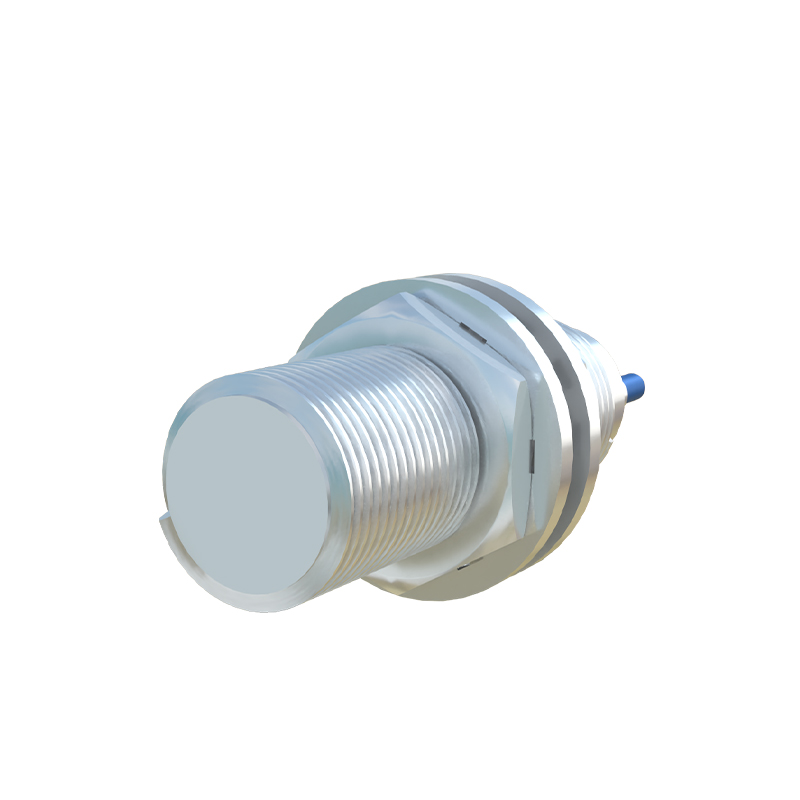
The applications for magnetic proximity sensor platforms are vast and critical. In the automotive industry, they are indispensable for detecting gear position, seat belt engagement, and brake pedal status. In factory automation, they provide precise end-of-travel detection for cylinders, monitor valve positions, and ensure safety in robotic systems. Beyond heavy industry, these sensors are quietly at work in consumer appliances, detecting door closures in refrigerators and washing machines, and in building security systems for monitoring window and door positions. Their inherent immunity to contaminants like oil, dirt, and non-ferrous chips makes them the preferred choice in machine tools and food processing equipment.
Modern advancements have propelled magnetic sensor platforms into a new era of intelligence and integration. Today's platforms are not just simple switches. They incorporate sophisticated microcontrollers and digital interfaces, enabling features like programmable sensing distances, temperature compensation, and diagnostic capabilities. Sensors can now communicate via IO-Link, AS-Interface, or standard analog and digital outputs, seamlessly feeding data into larger Industrial Internet of Things (IIoT) networks. This connectivity allows for predictive maintenance, where sensor health and operational data can be monitored remotely, preventing unexpected downtime.
The design and selection of a magnetic proximity sensor platform require careful consideration of several parameters. The sensing distance, or the maximum range at which the sensor can reliably detect the target, is paramount. This is influenced by the strength of the magnet and the sensor's sensitivity. The type of output—whether NPN or PNP, normally open or normally closed—must match the control system's requirements. Environmental ratings, particularly the Ingress Protection (IP) code for dust and water resistance and the temperature range, are crucial for ensuring performance in specific operating conditions. Furthermore, the physical form factor, such as tubular, rectangular, or ring-shaped, must suit the mechanical constraints of the application.
Compared to inductive or capacitive proximity sensors, magnetic variants offer unique advantages. While inductive sensors detect only metals and capacitive sensors detect a wider range of materials, magnetic sensors specifically respond to magnetic fields. This makes them ideal for detecting magnets or ferrous metals through non-ferrous barriers like aluminum, plastic, or stainless steel housings—a capability other technologies lack. Their simplicity often translates to lower cost and higher resilience in the face of electrical noise.
Looking ahead, the trajectory for magnetic proximity sensor platforms points toward greater miniaturization, enhanced energy efficiency for battery-powered devices, and even smarter on-board processing. The integration of artificial intelligence for edge-based decision-making is on the horizon. As industries continue to push for efficiency and connectivity, the humble magnetic proximity sensor, evolved into a sophisticated platform, will remain a fundamental and dynamic component in the architecture of automated and intelligent systems worldwide. Its combination of physical robustness, operational simplicity, and growing digital intelligence secures its role as a vital enabler for the future of contactless sensing.