Proximity sensors are indispensable components in modern automation and electronics, silently enabling countless functions in devices we use daily. Their core principle is non-contact detection, meaning they can sense the presence or absence of an object without any physical touch. This fundamental characteristic leads to a host of distinct features that make them superior to mechanical switches in many applications.
One of the most significant features is their exceptional reliability and longevity. Since there is no physical contact during operation, there is no mechanical wear and tear. This eliminates issues like contact bounce, arcing, or physical degradation that plague mechanical limit switches. Consequently, proximity sensors boast an incredibly long operational life, often measured in millions of cycles, making them ideal for high-speed, repetitive tasks in industrial environments.
Another critical feature is their high-speed response. These sensors can detect objects and send a signal in microseconds. This fast switching capability is crucial for applications involving rapidly moving parts, such as on assembly lines, packaging machinery, or counting objects on a conveyor belt. The speed ensures precise timing and control, which mechanical methods simply cannot match.
Proximity sensors are also renowned for their environmental robustness. Many models are hermetically sealed, making them resistant to dust, oil, coolant, and other contaminants commonly found in factories. This sealing allows them to perform reliably in harsh conditions where mechanical contacts would fail due to corrosion or blockage. Furthermore, their solid-state construction makes them resistant to vibration and shock, ensuring stable performance even on moving machinery.
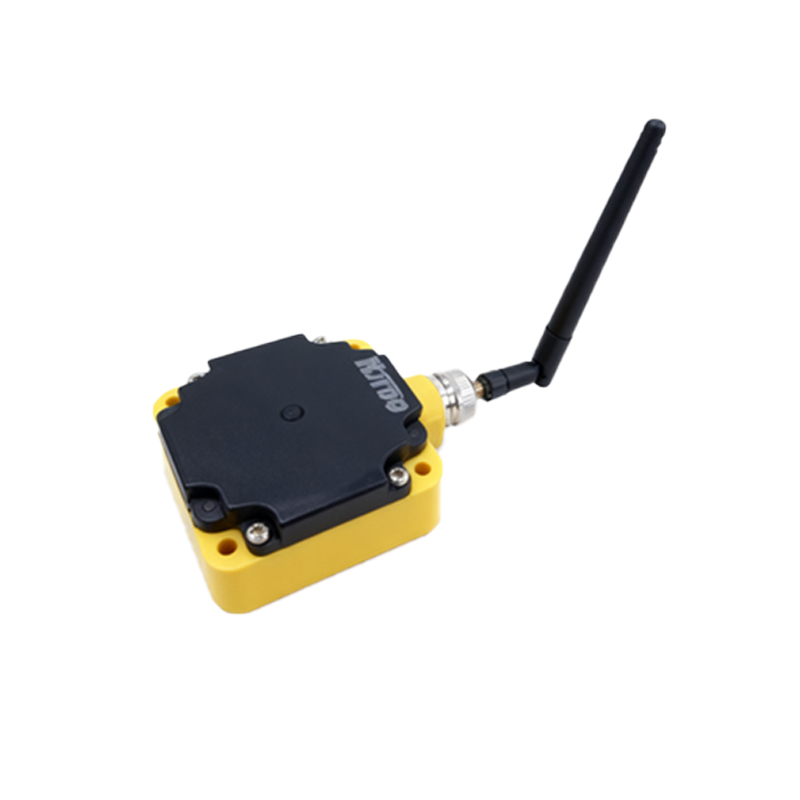
The versatility in sensing different materials is a key feature that defines their various types. Inductive proximity sensors, for instance, excel at detecting metallic objects, primarily ferrous metals like steel. Their sensing range is influenced by the target metal type. Capacitive sensors, on the other hand, can detect a wider range of materials, including metals, plastics, wood, liquids, and granular substances, by sensing changes in capacitance. Ultrasonic sensors use sound waves to detect objects of almost any material, while photoelectric sensors use light beams.
A related feature is their consistent performance. Unlike mechanical switches whose actuation point might vary with wear, a proximity sensor has a well-defined sensing distance, or "snap point." When an object enters this predefined range, the sensor switches consistently. This repeatability is vital for precision positioning and control tasks.
Modern proximity sensors offer excellent integration capabilities. They come in various standardized form factors and output types, such as NPN, PNP, analog, or IO-Link digital communication. This allows for easy connection to Programmable Logic Controllers (PLCs) and other control systems. The IO-Link variant, in particular, enables advanced features like parameter setting, condition monitoring, and diagnostic data transmission, paving the way for Industry 4.0 predictive maintenance strategies.
Finally, their installation and maintenance simplicity is a notable practical feature. With no moving parts to align or adjust mechanically, installation is often straightforward. Once set up, they require minimal maintenance, contributing to lower total cost of ownership despite a potentially higher initial investment compared to mechanical switches.
In summary, the defining features of proximity sensors—non-contact operation, high reliability, fast response, environmental toughness, material versatility, consistent performance, easy integration, and low maintenance—solidify their role as a cornerstone of industrial automation and smart device design. They provide a clean, efficient, and intelligent way to interact with the physical world.