In the seamless dance of modern technology, where devices respond to our presence with intuitive grace, a silent and often overlooked component plays a pivotal role: the proximity sensor. These unassuming electronic sentinels detect the presence or absence of nearby objects without any physical contact, enabling a myriad of functionalities that define contemporary user experience. From the smartphone that dims its screen when held to your ear to the automatic faucet that conserves water, proximity sensors are the invisible guardians facilitating convenience, efficiency, and safety.
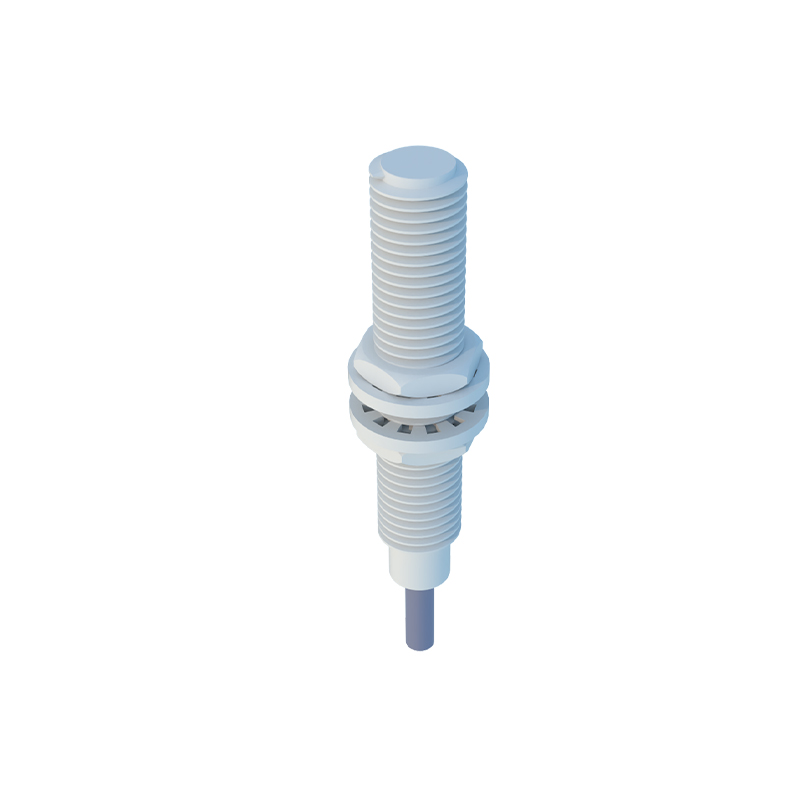
At its core, a proximity sensor works by emitting a field or a beam of electromagnetic radiation, often infrared light, and looking for changes in the field or the return signal. The primary types include inductive, capacitive, photoelectric, and ultrasonic sensors, each suited to specific materials and environments. Inductive sensors, for instance, excel at detecting metallic objects and are staples in industrial automation for counting or positioning metal parts. Capacitive sensors can detect both metallic and non-metallic materials, including liquids and granular substances, making them ideal for level detection or touch-sensitive interfaces. Photoelectric sensors use light beams, offering longer detection ranges, while ultrasonic sensors employ sound waves, effective even in challenging conditions like dust or fog.
The integration of proximity sensors into consumer electronics has been transformative. In smartphones and tablets, they manage screen behavior during calls, preventing accidental touches, and enable features like "Auto Brightness" and gesture control. In laptops, they can detect when a user is present, waking the device from sleep mode to enhance both security and battery life. The automotive industry relies heavily on these sensors for parking assistance systems, blind-spot detection, and automatic braking, significantly elevating vehicle safety standards. Furthermore, in smart home ecosystems, proximity sensors contribute to energy conservation by controlling lighting and HVAC systems based on occupancy.
Industrial and manufacturing applications represent another critical domain. Here, proximity sensors are workhorses of automation, ensuring precision and reliability. They perform tasks such as object detection on conveyor belts, verifying part presence in assembly machines, and monitoring rotational speed. Their robustness, fast response time, and ability to operate in harsh conditions—resistant to oil, coolant, and vibration—make them indispensable for maintaining high throughput and quality control in factories worldwide.
Looking ahead, the evolution of proximity sensing is intertwined with advancements in the Internet of Things (IoT) and Artificial Intelligence (AI). Smarter, smaller, and more energy-efficient sensors are being developed. Future sensors may incorporate multi-sensor fusion, combining proximity data with other inputs like ambient light or temperature for more contextual awareness. Applications are expanding into areas like healthcare, for fall detection in elderly care, and retail, for analyzing customer engagement with products. As technology strives for greater ambient intelligence—where environments anticipate and respond to human needs—the humble proximity sensor will remain a fundamental building block, its silent vigilance enabling a more interactive and responsive world.